How to Determine the Standard Life Expectancy of Dry Type Transformers?

Time:2026-06-18 Author:Aria
0%

Understanding the standard life expectancy of dry type transformers is crucial for effective asset management. Various industry reports indicate that these transformers typically last between 20 to 30 years. However, factors such as installation environment and maintenance practices can greatly influence this duration.

Many professionals ask, "what is the standard life expectancy of a dry type transformer?" This question is essential for financial forecasting and operational efficiency. According to a study by the Electric Power Research Institute (EPRI), improper loading and lack of regular inspections can reduce lifespan significantly.

Reliability is a key concern for utilities and industries. Decision-makers often overlook the importance of monitoring and maintaining transformers. As a result, many transformers underperform or fail prematurely. Thus, understanding factors that affect lifespan can lead to better planning and reduced overhead costs. This ongoing need for reflection emphasizes the importance of considering both empirical data and practical experience in transformer management.
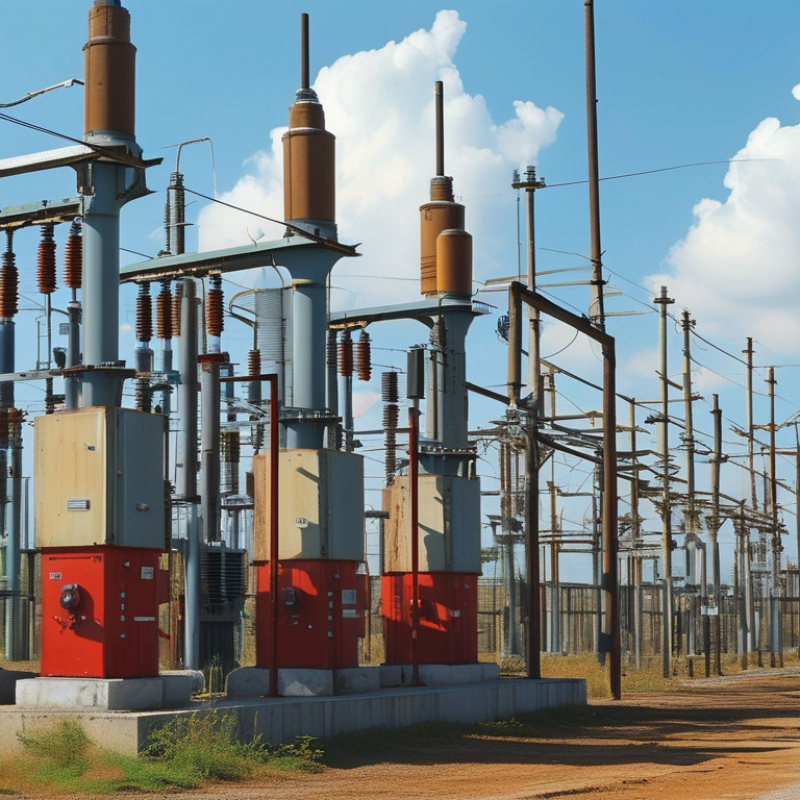
How to Determine the Standard Life Expectancy of Dry Type Transformers?

Factors Affecting the Lifespan of Dry Type Transformers

Dry type transformers are essential components in electrical systems. Their lifespan can vary significantly based on multiple factors. Understanding these can help you anticipate when to replace or maintain your equipment.

One major factor is environmental conditions. Excessive heat, humidity, and dirt can severely shorten the lifespan of a dry type transformer. According to industry reports, transformers operating in clean, cool environments can last up to 30 years. In contrast, those exposed to harsh conditions may operate effectively for only 15-20 years. Regular cleaning and strategic placement can enhance longevity.

Material quality also plays a pivotal role. Premium insulation materials resist degradation better than standard options. Research indicates that transformers using high-grade insulation can achieve a lifespan exceeding 30 years. Similarly, load management is crucial. Overloading leads to overheating and accelerates wear. Running transformers within their rated capacity is vital for prolonging service life.

Tip: Conduct periodic inspections to identify signs of wear or overheating. Monitor environmental conditions to prevent potential damage. Regular maintenance can significantly enhance the lifespan of your transformers.

How to Determine the Standard Life Expectancy of Dry Type Transformers? - Factors Affecting the Lifespan of Dry Type Transformers

Factors Impact on Lifespan Average Lifespan (Years)
Operating Temperature High temperatures can accelerate insulation deterioration 15-30
Humidity Levels Excess humidity can lead to corrosion and electrical failure 20-25
Vibration Constant vibration can damage internal components 10-20
Load Conditions Overloading can lead to overheating and premature failure 15-25
Maintenance Practices Regular maintenance extends life expectancy significantly 25-40
Installation Environment Restricted airflow or pollutants can degrade performance 15-30

Average Service Life of Dry Type Transformers According to Industry Standards

Dry type transformers are essential components in electrical systems, and understanding their average service life is crucial. According to industry standards, the typical lifespan of these transformers ranges from 20 to 30 years. This duration can be influenced by various factors, including operating conditions, maintenance practices, and environmental factors. High temperatures or humidity can significantly impact their longevity, highlighting the need for rigorous monitoring and preventive measures.

Regular maintenance is vital in extending the life of dry type transformers. Through annual inspections and testing, potential issues can be identified early. This proactive approach can save time and costs in the long run. However, not all facilities adhere to these maintenance protocols. Some may overlook the importance, leading to unexpected failures and shortened lifespans. It's essential for operators to recognize this gap and improve their maintenance strategies to ensure reliability.

In addition, the design and installation of the transformer play a significant role in its service life. Proper ventilation and cooling systems can mitigate overheating risks. Yet, many installations fail to consider these factors adequately. A thorough understanding of industry best practices is necessary for achieving optimal performance. Emphasizing knowledge-sharing and continuous improvement can empower professionals in the field to make informed decisions.

Importance of Regular Maintenance in Prolonging Transformer Life

Regular maintenance is crucial for dry type transformers. Proper care can significantly extend their lifespan, which typically ranges from 20 to 40 years. Scheduling routine inspections should be a priority for operators. Inspections help identify wear and potential issues early on. Neglecting these checks can lead to costly failures.

Cleaning and checking connections are simple yet effective maintenance tasks. Dust accumulation can affect performance. Ensuring that all connections are tight can prevent overheating. Regular insulation tests also play a key role in maintenance. They help assess the condition of the materials used in the transformer.

Issues can arise if maintenance is overlooked. If a transformer operates in harsh conditions, the risk increases. This can lead to unexpected downtime and financial losses. Understanding how to maintain these transformers is essential. Ignoring these aspects may shorten their expected life. Awareness and proactive measures can make a significant difference.

Impact of Environmental Conditions on Transformer Longevity

Environmental conditions play a crucial role in the longevity of dry type transformers. According to a study published by the International Electrotechnical Commission, the ambient temperature can significantly impact a transformer’s operational life. For instance, a 10°C increase in temperature can reduce the lifespan by about 20%. Thus, understanding temperature limits is essential for maintaining transformer health.

Humidity also affects the performance of dry type transformers. High humidity levels can lead to moisture ingress, which causes insulation degradation. Research from the IEEE shows that transformers exposed to high humidity perform poorly over time. It's advisable to maintain a controlled environment to mitigate these risks. Enclosures and cooling systems can help manage humidity levels effectively.

Moreover, factors such as pollution and altitude should not be overlooked. Pollutants can corrode materials and affect insulation properties. Increased altitude leads to lower air density, which can impact cooling efficiency. Operators must regularly assess these conditions to ensure transformers operate optimally. This proactive approach can enhance reliability and extend service life.

Technological Innovations Enhancing the Durability of Dry Type Transformers

Innovations in dry type transformers are transforming the way we think about durability. New materials are being introduced that enhance resistance to environmental factors. For instance, advanced insulation technologies are now more moisture-resistant. This change aims to extend the lifespan of transformers significantly.

Another area of progress is in cooling systems. Efficient cooling mechanisms help maintain optimal temperatures. They prevent overheating, which is a common cause of failure. These innovations ensure that transformers can operate under more demanding conditions without sacrificing reliability.

However, these advancements are not without challenges. They can lead to higher initial costs. Moreover, the long-term effectiveness of these materials is still being evaluated. Engineers need to carefully assess these aspects. Continuous testing and feedback are critical to refining current technologies. Balancing innovation with practical reliability remains a work in progress.

FAQS

: Why is regular maintenance important for transformers?

: Regular maintenance can extend a transformer's lifespan significantly, usually between 20 to 40 years.

What are some basic maintenance tasks for transformers?

Cleaning connections and checking for dust are essential. These tasks prevent overheating and improve performance.

How does neglecting maintenance affect transformers?

Neglect can result in costly failures and unexpected downtime, leading to financial losses for operators.

What role does temperature play in transformer lifespan?

A 10°C increase in temperature can reduce lifespan by about 20%. Knowing the temperature limits is vital.

How does humidity impact transformer performance?

High humidity can cause moisture ingress, leading to insulation degradation. A controlled environment is advisable.

What should operators consider regarding pollution?

Pollution can corrode materials and harm insulation. Regular assessments are needed to combat these effects.

What can happen if transformers operate in harsh conditions?

Operating in harsh conditions increases risks, leading to shorter lifespans and potential failures.

How can altitude affect a transformer's efficiency?

Increased altitude means lower air density, which can hinder cooling efficiency over time.

Are there simple solutions to maintain transformers?

Yes, regular cleaning and inspections can mitigate many issues. Simple tasks make a significant difference.

What is the impact of environmental conditions on transformers?

Environmental factors can greatly affect transformer longevity, so awareness and proactive management are crucial.

Conclusion

The article "How to Determine the Standard Life Expectancy of Dry Type Transformers?" delves into various elements that influence the lifespan of these transformers. Key factors include operational conditions, maintenance practices, and environmental impacts, which play a significant role in determining what is the standard life expectancy of a dry type transformer. Typically, industry standards suggest that these transformers can last between 20 to 30 years, depending on their application and upkeep.

Regular maintenance is highlighted as crucial for extending the operational life of dry type transformers, as it helps identify and mitigate potential issues before they escalate. Additionally, the article emphasizes the positive effects of technological advancements that enhance durability, ensuring that these transformers meet the evolving demands of the electrical infrastructure while maintaining their longevity under varying environmental conditions.

Aria

Aria

Aria is a dedicated marketing professional with a deep passion for innovative strategies and a keen understanding of our company's product offerings. With a wealth of experience in the industry, Aria excels at crafting engaging content that highlights the unique features and benefits of our......