Why is My Dry Type Transformer Humming Loudly?

Time:2026-06-25 Author:Sophia
0%

Many people wonder, "why is my dry type transformer making a loud humming noise?" This question often arises in industrial settings where these transformers are pivotal. According to David Tan, a well-respected electrical engineer, "A loud hum can indicate underlying issues that should not be ignored." His expertise highlights the importance of addressing this problem promptly.

Transformers hum for several reasons. One major factor is the electromagnetic forces within the unit. These forces can create vibrations that lead to noise. Additionally, loose components or improper installation can intensify the sound. It often indicates that maintenance may be overdue or that the transformer is operating under stress.

Ignoring the hum might lead to bigger problems. If these noises become disruptive, it's crucial to investigate. Faulty transformers can impact overall system performance. Regular checks can prevent noise issues and potential failures as well. A little attention to detail can make a significant difference in maintaining transformer health.
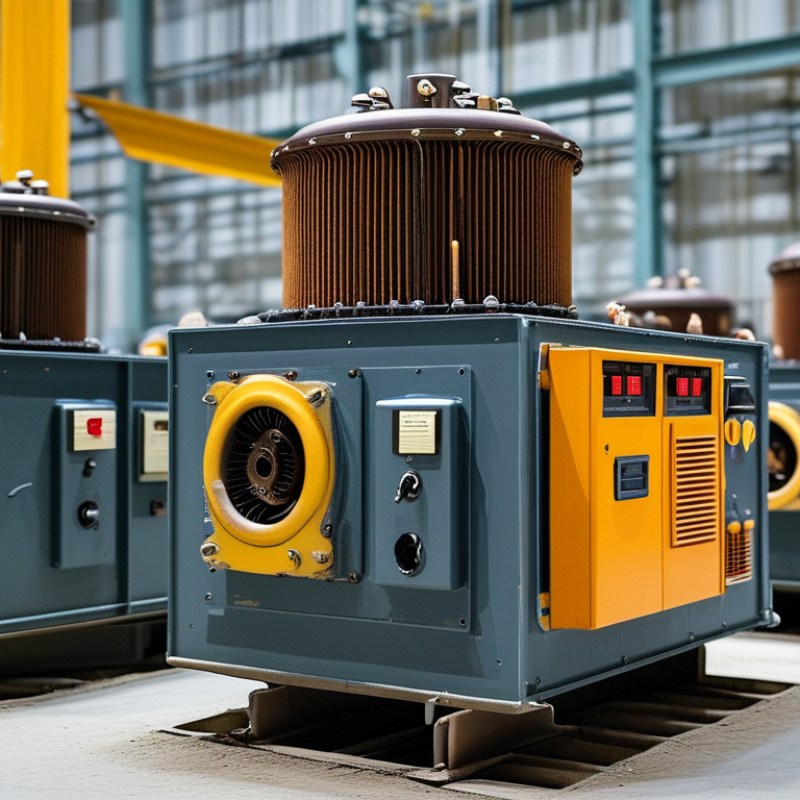
Why is My Dry Type Transformer Humming Loudly?

Understanding the Basics of Dry Type Transformers and Their Operation

Dry type transformers play a crucial role in electrical distribution. They convert high voltage to low voltage efficiently. Their design typically features insulated windings, providing a safer alternative. However, a common issue with these transformers is humming. This noise can impact nearby environments, leading to discomfort.

The humming sound often originates from magnetic forces within the transformer's core. Studies show that nearly 20% of users report significant noise issues. Factors like load conditions and installation quality can exacerbate the problem. Ensuring correct alignment and secured mounting can reduce vibrations. Operators should regularly inspect these units to evaluate their operational state.

**Tip:** Implement regular maintenance checks. This can help identify issues early and keep the transformer running smoothly.

Over time, vibrations may cause loose components. This can increase noise levels and lead to operational inefficiencies. Addressing these vibrations promptly is essential. Poor installation practices can lead to ongoing complications.

**Tip:** Use anti-vibration mounts during installation. This can significantly minimize noise and enhance longevity.

Common Causes of Loud Humming in Dry Type Transformers

Loud humming in dry type transformers is a common issue that can stem from various factors. One significant cause is electromagnetic forces. These forces can create vibrations in the transformer windings, leading to noise. When the coils are subjected to high currents, they can wobble, resulting in a humming sound.

Another factor is mechanical resonance. The design and construction of the transformer can contribute to this problem. If the transformer is not mounted correctly or if there are loose components, vibrations can be amplified. This often causes the noise to become more pronounced under certain load conditions. You might notice this hum intensifying as the load increases, making it even harder to ignore.

Lastly, environmental factors should not be overlooked. External vibrations from nearby machinery or structures can transmit to the transformer. This can combine with internal issues to magnify the humming sound. Reflecting on these causes can help improve the situation. Regular maintenance and inspection are vital to minimize such noise issues. Identifying the root cause may not be straightforward, but it is essential for ensuring the transformer's longevity and performance.

Impact of Load Conditions on Transformer Noise Levels

When a dry type transformer hums loudly, the load conditions play a crucial role. Different loads cause variances in electromagnetic forces within the transformer. Light loads can lead to excessive vibrations, while heavy loads increase the magnetic pull, generating more noise. Both situations can create discomfort and signal potential issues.

To address these concerns, adjusting the load parameters can be helpful. Avoiding sudden load changes can reduce noise levels. Regular maintenance is essential for optimal performance. Inspect connections and components to ensure they are secure and functioning properly. It might seem minor, but loose parts can amplify noise significantly.

Consider monitoring the load regularly. This helps identify any abnormal patterns. Keep an eye on the heat levels, too. Overheating can contribute to increased hum. Documenting these observations will aid in troubleshooting and understanding performance trends over time. By being proactive, you can minimize the noise while ensuring reliable transformer operation.

Maintenance Tips to Reduce Humming in Dry Type Transformers

Dry type transformers often produce a humming noise, which can be a source of irritation. This sound typically results from electromagnetic forces within the transformer. Several factors can influence the intensity of this humming. Understanding these aspects is crucial for effective maintenance.

To reduce humming, consider tightening loose components. Vibrations from imperfect connections can amplify noise. Regularly inspect all bolts and screws to ensure they are secure. Additionally, keeping the transformer clean is essential. Dust accumulation can affect performance and increase noise levels. Use a soft brush or cloth to clean surfaces without damaging components.

Another tip is to ensure proper installation. Installing the transformer on a stable and vibration-free platform helps reduce unwanted sounds. If the humming persists, it may indicate a deeper issue. Consulting with a professional for further assessment can prevent future problems. Implementing these maintenance strategies can lead to a quieter and more efficient dry type transformer.

When to Seek Professional Help for Transformer Noise Issues

Loud humming from a dry type transformer can indicate underlying issues. The noise often stems from magnetostriction in the core or loose components. According to industry reports, up to 70% of transformer failures can be traced back to mechanical vibrations that cause noise disturbances. While some humming is normal, persistent or increasing sounds may warrant professional help.

Seeking assistance becomes essential when the transformer noise exceeds acceptable levels. The National Electrical Manufacturers Association states that noise levels above 70 decibels can disrupt workplace environments. Ignoring these signs can lead to costly failures, potentially impacting operations. Experts recommend monitoring the transformer regularly for fluctuations in sound and performance.

If the humming persists, consider consulting an expert. Proper evaluation can identify issues like insulation breakdown or electrical imbalance. An experienced technician understands the complexities of transformer operations and can provide tailored solutions. Taking action early can reduce downtime, increasing your system’s reliability. Remember, noise issues can reveal much about your transformer's health.

FAQS

: What is a dry type transformer?

: It is an electrical device that converts high voltage to low voltage safely and efficiently.

Why do dry type transformers hum?

The humming often comes from magnetic forces in the core and can intensify with load conditions.

How common is noise from dry type transformers?

About 20% of users report significant noise issues, impacting nearby environments.

What can exacerbate humming in transformers?

Poor installation, loose components, and improper load conditions can increase the noise level.

How can I reduce transformer noise?

Ensure correct alignment, secure mounting, and consider using anti-vibration mounts during installation.

When should I seek professional help for noise?

If noise consistently exceeds 70 decibels or worsens over time, consider consulting an expert for evaluation.

How can load conditions affect transformer noise?

Light loads may cause excessive vibrations, while heavy loads can increase magnetic pull, amplifying noise.

What maintenance should be done for dry type transformers?

Regular inspection and maintenance checks can help catch issues early and improve overall performance.

What happens if noise issues are ignored?

Ignoring these signs can lead to costly failures and operational disruptions.

How can I monitor transformer performance?

Regularly check connections, heat levels, and document observations for troubleshooting and performance insights.

Conclusion

Understanding why is my dry type transformer making a loud humming noise involves recognizing the underlying operation and characteristics of these transformers. Dry type transformers play a critical role in electrical distribution, and their humming can often be attributed to a variety of factors such as electromagnetic vibrations, core saturation, or improper mounting. Additionally, load conditions significantly influence noise levels; for instance, increased load can lead to amplified sounds.

To mitigate humming, routine maintenance is key. This includes ensuring proper installation, tightening loose components, and inspecting for any signs of wear. If humming persists despite these efforts, it may be necessary to seek professional assistance to address and resolve any underlying issues effectively. By understanding these common causes and maintenance tips, transformer users can help reduce noise and enhance overall operational efficiency.

Sophia

Sophia

Sophia is a dedicated marketing professional with an exceptional depth of knowledge about her company's products and services. With a keen understanding of market trends and customer needs, she crafts insightful blog posts that not only inform but also engage readers, enriching the company’s online......