Choosing the right transformer is crucial for your electrical system's efficiency and safety. When considering how to choose between dry type and oil immersed transformer, factors such as environment and application play a vital role. Dry type transformers offer advantages in terms of safety and low maintenance. They are ideal for indoor applications where space is limited and fire hazard is a concern.
On the other hand, oil immersed transformers are more suitable for high power applications and outdoor installations. They provide better cooling and higher efficiency for larger loads. Understanding these differences helps in making an informed decision. However, some applications may require a careful assessment of both options’ long-term reliability and operational costs, creating a dilemma for decision-makers. This article aims to guide you through essential considerations in selecting the most suitable transformer for your needs.
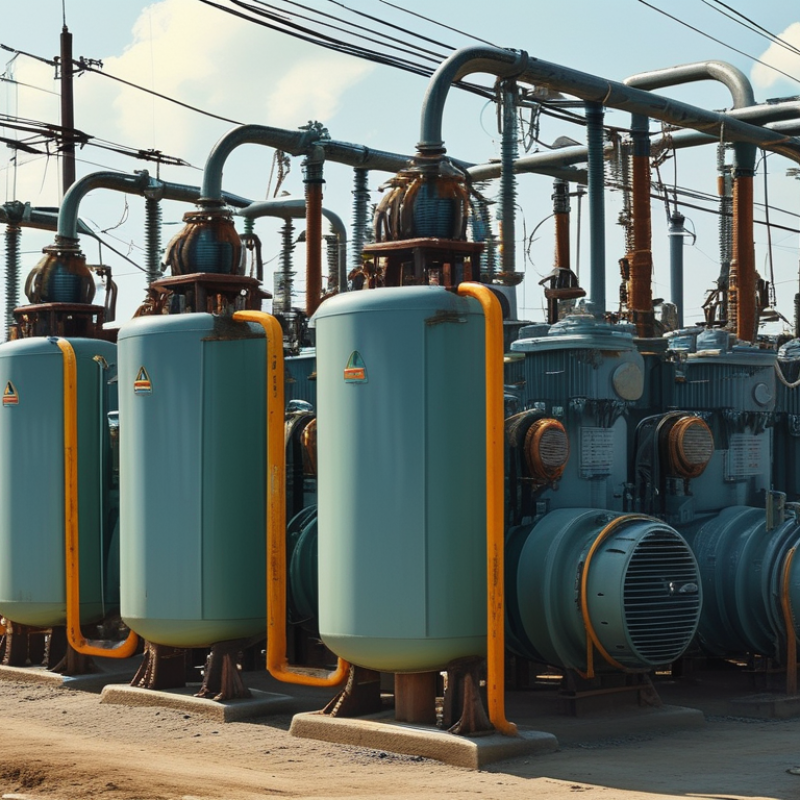
When discussing transformers, two primary types come to mind: dry type and oil immersed transformers. Dry type transformers use air for cooling, while oil immersed transformers utilize oil as a cooling medium. Understanding these differences is crucial when selecting the right transformer for specific applications.
Dry type transformers are suitable for indoor installations. They are less flammable and require minimal maintenance. This type is ideal in areas with high pedestrian traffic or sensitive environments. However, they may have limitations in capacity and efficiency compared to oil immersed transformers.
Oil immersed transformers are often more efficient and can handle larger loads. They can dissipate heat better due to the oil's cooling properties. However, they require careful handling and regular maintenance due to potential oil leaks.
When choosing between these transformers, consider the following tips:
When selecting a transformer, load capacity and performance requirements are essential factors. Dry type transformers are lighter and easier to maintain. They are better for lower capacities and environments with minimal moisture. On the other hand, oil immersed transformers manage higher loads more effectively. They excel at higher capacities, thanks to their cooling properties. Assessing your specific needs will streamline the decision-making process.
The operational environment plays a crucial role too. Dry type transformers suit indoor applications, where safety is a priority. They minimize risks associated with fire hazards. However, they might struggle under heavy load conditions. Oil immersed transformers, while bulkier, provide consistent performance in harsh conditions. Their ability to handle significant loads often outweighs their maintenance needs. Think about your long-term goals and the operational landscape.
Reflect on your requirements carefully. Balancing load capacity with performance ensures that you invest wisely. Each transformer type has its nuances, which can affect overall efficiency. Both options require thorough research. Consider your exact needs before making a choice. You want a transformer that aligns with your operational goals and safety standards.
When considering the environmental impact, the choice between dry type transformers and oil immersed transformers becomes crucial. Dry type transformers excel in urban environments. They have lower fire risks and emit no harmful pollutants during operation. This makes them ideal for locations with strict safety regulations. Their installation requires less space and eliminates the need for oil containment measures.
On the other hand, oil immersed transformers can handle larger loads, making them more suitable for industrial applications. However, their potential leaks can pose environmental risks. The oil used may contain harmful substances that threaten groundwater. Choosing the right transformer requires careful consideration of environmental impact.
While dry type transformers may be the safer option, their efficiency in high load situations is limited. The aging of insulation materials can also impact performance over time. On the contrary, oil immersed transformers perform well for prolonged periods but require regular monitoring for leaks. Balancing safety, performance, and environmental considerations is essential in making an informed decision.
| Feature | Dry Type Transformer | Oil Immersed Transformer |
|---|---|---|
| Fire Safety | Higher fire resistance | Risk of fire due to flammable oil |
| Environmental Impact | Minimal environmental pollution | Potential oil leakage and pollution |
| Cooling Method | Air cooling | Oil cooling |
| Maintenance | Lower maintenance requirements | Higher maintenance and monitoring needed |
| Installation Location | Indoor and outdoor use | Typically outdoors due to oil storage |
| Cost | Generally higher initial cost | Lower initial cost but higher life-cycle cost |
| Efficiency | Higher efficiency at lower load | Efficient at higher load levels |
| Size and Weight | Lighter and more compact | Heavier and larger dimensions |
| Lifespan | Longer lifespan with lower degradation | May degrade faster due to oil aging |
| Noise Level | Generally quieter operation | Typically noisier due to oil circulation |
When comparing dry type and oil immersed transformers, maintenance plays a crucial role in durability. Dry type transformers often require minimal maintenance. They are less prone to leaks and environmental damage. However, this doesn't mean they are maintenance-free. Insulation inspection is still necessary. Dust accumulation can impact performance over time.
Oil immersed transformers, on the other hand, need more attention. The oil itself must be regularly tested for quality and levels. This can involve complex procedures and specialized knowledge. A leak in an oil immersed transformer can cause severe issues, both financially and environmentally. The care needed can lead to longer downtimes for maintenance.
Both types have longevity factors to consider. Dry type transformers typically last longer in optimal conditions. However, their lifespan can be compromised by high pollution levels. Conversely, oil immersed transformers could have a shorter lifespan if not properly maintained. Each choice requires a careful assessment of the specific application and environment. Understanding these nuances ensures better decisions based on real needs and potential challenges.
When selecting between dry type and oil-immersed transformers, cost is a critical factor. An initial investment is significant, with oil-immersed transformers generally costing more upfront due to their complex design. According to industry reports, the cost of an oil-immersed transformer can be 10-30% higher than that of a dry type. However, considerations extend beyond just the purchase price.
Long-term operation expenses can greatly influence your decision. Dry type transformers require less maintenance, resulting in lower long-term costs. They are also typically safer, as they do not pose a risk of oil leakage. Estimates suggest that operational savings can be substantial, with dry type transformers offering up to 20% savings on maintenance over their lifetime. The efficiency of dry type transformers tends to be higher, leading to potential energy savings as well.
Tip: Evaluate your specific application and environment. In hazardous locations, dry type transformers might be preferable for their safety features. Additionally, think about placement and accessibility, as installation costs can vary significantly. Another factor is the local regulatory environment; some areas have guidelines that may favor dry type transformers due to environmental concerns. Always conduct a thorough cost-benefit analysis, examining both initial costs and potential savings. This approach will guide you in making a judicious choice.
: Dry type transformers use air for cooling, while oil immersed transformers rely on oil for cooling.
They are ideal for indoor installations, especially areas with high pedestrian traffic.
They require minimal maintenance, making them easier to manage compared to oil immersed types.
They are more efficient and handle larger loads better due to superior heat dissipation.
Yes, they require careful handling and regular maintenance due to the potential for oil leaks.
Assess your environment, load requirements, safety codes, and maintenance costs thoroughly.
They may struggle under heavy load conditions but perform well in lighter applications.
It affects transformer performance; dry types are safer for indoor use, while oil types excel in tough conditions.
Balance load capacity with performance to ensure efficient investment aligning with operational goals.
Overlooking specific requirements can lead to poor decision-making and inefficiencies.
When considering how to choose between dry type and oil immersed transformer, it is essential to understand the basic characteristics of each type. Dry type transformers are generally more suited for indoor applications where environmental safety and reduced maintenance are priorities, while oil immersed transformers are favored for outdoor use and situations requiring high load capacity and robust performance.
Key factors influencing the decision include load capacity and performance requirements, where oil immersed transformers may excel in high-demand scenarios. Additionally, the environmental impact of each transformer type should be considered, highlighting dry type transformers' advantages in urban areas. Maintenance needs and longevity are critical, as dry type units often require less care, whereas oil immersed transformers can offer extended service life if properly managed. Finally, a cost analysis comparing initial investments with long-term operation expenses is crucial for making an informed choice.

Pirooz Power