Understanding how to calculate the efficiency of a three-phase power transformer is essential for ensuring optimal performance in electrical systems. Transformers typically operate at efficiencies ranging from 95% to 98%, as indicated by various industry reports. These values highlight the significant energy conservation potential of well-designed transformers.
However, accurately calculating the efficiency involves multiple factors, including load conditions and core losses. In practice, many engineers overlook these variables, leading to inefficiencies in their systems. The IEEE Standard Std 62.5-1995 provides guidelines on measuring losses, emphasizing the need for precise methods.
Mistakes can occur when data is misinterpreted or calculations are rushed. Detailed analysis is crucial for identifying areas of improvement. Failing to understand the nuances of transformer efficiency can result in increased operational costs and reduced system reliability. By focusing on how to calculate the efficiency of a three-phase power transformer, professionals can enhance their understanding and contribute to more sustainable energy solutions.
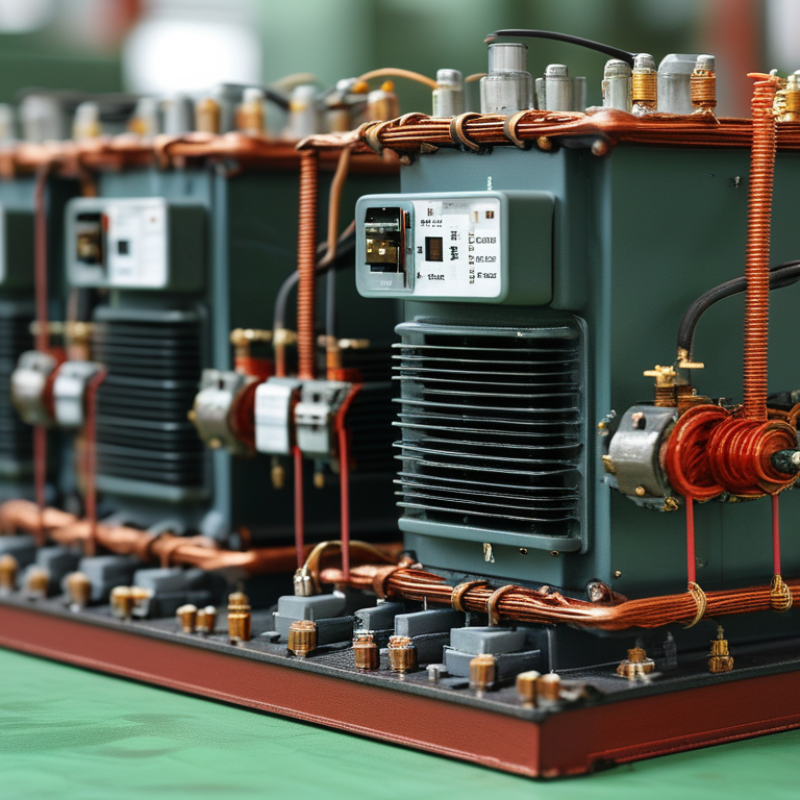
Three phase power transformers play a crucial role in electrical systems. They efficiently transfer electrical energy between circuits. Understanding their design and function is vital for engineers.
The core components include the windings, the core, and the insulation. Each part affects the transformer’s efficiency and capacity. The windings carry electrical current, while the core provides a path for the magnetic field. Insulation keeps everything safe and operational. Inefficiencies can arise from heating, which leads to energy loss. It's essential to regularly evaluate these aspects to ensure optimal performance.
Tips: When choosing a transformer, consider its specific application. Not all transformers suit every scenario. Always monitor temperatures during operation; excessive heat can indicate underlying issues. Regular maintenance can prevent costly failures. Keep learning about advancements in transformer technology to make informed decisions.
Three-phase power transformers are essential in power distribution systems. Their efficiency directly affects energy costs and performance. Several key parameters play a vital role in determining transformer efficiency. These parameters need careful analysis for optimal results.
One significant factor is the load conditions. A transformer operates best when under its rated load. Operating it under or over this rating can lead to inefficiencies. Losses increase, affecting performance negatively. Another important aspect is the temperature. Higher temperatures can elevate losses in the windings and core. Regular temperature monitoring is necessary to maintain efficiency.
Material quality also influences efficiency. The type of core and winding materials directly affects losses. High-grade silicon steel cores minimize energy losses, while copper windings usually perform better than aluminum. However, costs for such materials can be substantial. Balancing performance with budget constraints remains a challenge for many projects. Understanding these parameters is essential for optimizing transformer efficiency.
Calculating the efficiency of a three-phase power transformer involves several steps. The formula for efficiency is given by the output power divided by the sum of output and losses. Losses include copper loss and iron loss. Understanding these values is key to accurate calculations.
To begin, measure the primary and secondary voltage and current. For example, if the primary voltage is 11 kV and the secondary voltage is 400 V, you can calculate output power. Next, measure the input power under load conditions, which might be around 800 kW for a typical transformer. With these data points, you can determine the copper loss, which occurs due to resistance in windings.
Data from the International Electrotechnical Commission indicates that typical transformer efficiency ranges from 95% to 99%. This means that even small discrepancies in measurements can affect the overall efficiency. Factors such as temperature and load changes can cause variations. For instance, iron loss increases with temperature, creating a need for continuous monitoring.
Three-phase transformers play a crucial role in electrical systems. Understanding the common losses is vital for calculating their efficiency. Losses in transformers generally fall into two categories: core losses and copper losses. Core losses occur due to magnetization and demagnetization of the core material. They are typically constant, regardless of the load. According to industry reports, these losses can constitute 1-3% of the total power input for modern transformers.
Copper losses, on the other hand, are load-dependent. They arise from the resistance in the windings when current flows. A well-designed transformer can minimize these losses, but they can still reach 2-5% of the total power under full load. This variation highlights the impact of load changes on efficiency. Engineers must consider these factors when designing and operating transformers to optimize their performance.
Monitoring both core and copper losses helps to enhance transformer efficiency. Combining regular maintenance with technology like smart sensors can provide real-time data. This proactive approach addresses potential inefficiencies before they escalate. However, despite technology, not all losses can be eliminated. A balance of performance and cost-effectiveness is often necessary. Understanding these complexities aids in improving the overall effectiveness of three-phase transformers.
When comparing the efficiency of various transformer designs, it is crucial to understand the core materials and construction. Different designs utilize unique core materials, impacting energy losses. High-quality silicon steel cores can significantly reduce losses due to hysteresis and eddy currents. This results in a transformer that operates more efficiently under similar load conditions.
Additionally, winding configurations play a vital role. The choice between single-layer and multi-layer winding affects both copper losses and voltage distribution. Multi-layer windings can improve current distribution, but at the cost of increased complexity. Reflecting on these choices, one should evaluate the manufacturing process. Slight imperfections in winding can lead to increased losses, questioning the overall reliability of the design.
Lastly, thermal management cannot be overlooked. Different designs have varying capacities for heat dissipation. Poor cooling mechanisms can lead to overheating, which reduces efficiency and lifespan. It's essential to consider that no design is perfect. Each choice comes with trade-offs, requiring a careful analysis of specific application requirements.
: The main components are the windings, core, and insulation. Each part affects efficiency and capacity.
Efficiency is calculated by output power divided by the sum of output and losses, including copper and iron losses.
Always monitor temperatures. Excessive heat may indicate underlying issues that need addressing immediately.
Regular maintenance helps prevent costly failures and ensures the transformer operates efficiently over time.
Temperature and load changes can impact efficiency. Even minor measurement discrepancies can lead to significant differences.
High-quality core materials like silicon steel reduce losses from hysteresis and eddy currents, improving overall efficiency.
Single-layer versus multi-layer windings influence copper losses and voltage distribution, impacting transformer efficiency.
Yes, slight imperfections in winding may lead to increased losses, questioning the design's reliability and efficiency.
Yes, varying cooling capacities affect overheating risks. Poor cooling can reduce both efficiency and lifespan.
Each design choice has trade-offs, requiring careful analysis to meet specific application needs effectively.
Understanding how to calculate the efficiency of a three phase power transformer is crucial for ensuring optimal performance in electrical systems. The efficiency of these transformers can be influenced by various key parameters, including load conditions, core materials, and design configurations. By identifying common losses such as copper, iron, and stray losses, one can better assess the operational efficiency.
To determine efficiency step-by-step, one would typically measure input and output power while accounting for these losses. Additionally, comparing efficiencies across different transformer designs can provide insights into which models may offer better performance under specific operating conditions. Overall, mastering how to calculate the efficiency of a three phase power transformer allows for improved energy management and cost savings in industrial applications.

Pirooz Power