An oil-immersed transformer may carry more than its nameplate rating for a limited period, but there is no single safe overload percentage for every unit. So, what is the maximum overload capacity of an oil immersed transformer? The practical answer depends on its design, prior loading, ambient temperature, cooling system, and condition. A 150% load figure may sound clear, yet it can be misleading without those details.
Industry guidance treats overload as a thermal and insulation-life question, not simply a test of whether the transformer keeps running. IEEE C57.91 provides methods for evaluating loading, hot-spot temperature, and insulation aging in mineral-oil-immersed units. IEC 60076-7 likewise gives loading guidance for oil-immersed power transformers and distinguishes operating conditions. These standards do not establish one universal maximum for all transformers. A unit with active cooling and a low starting temperature may tolerate a short peak that would be unsuitable after hours of heavy loading on a hot day. That difference matters.
In practice, operators need reliable nameplate data, temperature readings, cooling-status checks, and the manufacturer’s loading limits. Oil condition and insulation aging also deserve attention; older equipment may have less thermal margin than its original rating suggests. Consider a transformer feeding a factory during a summer demand spike: the load curve and winding hot-spot temperature tell more than a single peak percentage. Even then, estimates have limits. A calculation is not a field inspection. The sections ahead examine how overload capacity is assessed, what limits it, and why seemingly modest details can change the answer.
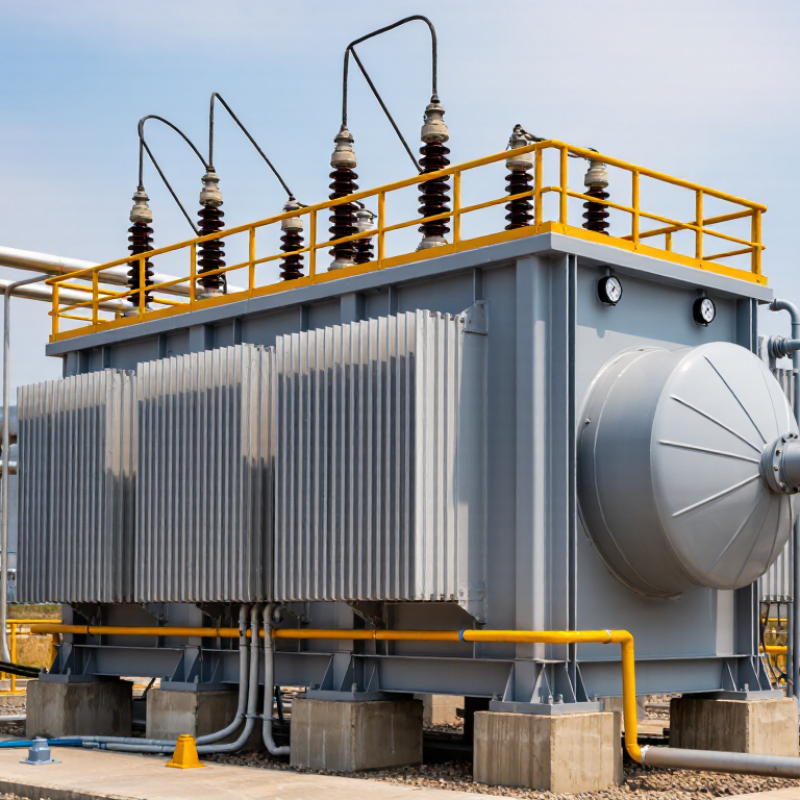
An oil-immersed transformer can sometimes carry more than its rated load for a limited time, but there is no safe universal overload percentage. The allowable load depends on top-oil and winding temperatures, ambient conditions, previous loading, cooling performance, and the transformer’s age. A cool evening may provide more thermal margin than a hot afternoon, but that margin is not a fixed allowance. Insulation damage accumulates with heat, even when the overload seems brief.
Operators should check the manufacturer’s loading guidance and use temperature readings, load history, and protection settings together. Oil temperature alone may not reveal the hottest winding spot. A small rise in load can also matter when ventilation is blocked or cooling equipment is not working properly. In the field, a dusty radiator or a failed fan can change the picture quickly.
Tips: Record load and temperature at regular intervals, especially during peak demand. Confirm that fans and pumps operate as intended, and investigate unusual readings rather than assuming they are harmless. If reliable thermal data or equipment-specific limits are unavailable, avoid estimating an overload capacity; have a qualified transformer specialist assess the unit.
No. It depends on temperature, cooling performance, load history, design, and overload duration. A simple percentage rule can fail.
Cooler air helps the transformer release heat. A cool morning provides more thermal margin than a hot afternoon.
Yes. A heavy evening peak may leave the oil warm the next morning. Starting temperature matters.
Winding hot-spot temperature is critical. Oil temperature alone may look normal while insulation ages rapidly.
Some units may tolerate this briefly. The actual duration may range from minutes to several hours. It is not universal.
Blocked radiators, failed fans, weak pumps, and poor oil circulation can sharply reduce capacity. Dust matters.
Not necessarily. A brief 130% event may cause less damage than repeated 115% loading. Duration and heat history matter.
Check hot-spot temperature, top-oil rise, cooling equipment, protection settings, and technical data. Test sensors. Do not simply trust them.
Record the load curve, ambient temperature, highest temperatures, cooling status, and shutdown time. Field estimates can be wrong.
An oil-immersed transformer can withstand a temporary overload, but its safe capacity depends on more than the nameplate rating. Key factors include the transformer’s design, insulation system, cooling method, ambient temperature, previous loading history, and the condition of the oil and windings. To answer “what is the maximum overload capacity of an oil immersed transformer,” operators must consider the allowable hot-spot temperature and the duration of the overload rather than rely on a single percentage.
Short overloads may be acceptable because temperature rises gradually, while extended overloading can accelerate insulation aging, increase oil temperature, and create serious reliability risks. Industry standards, manufacturer ratings, thermal models, and real-time monitoring of load, temperature, oil level, and abnormal conditions help determine safe operating limits. Proper planning should include alarm settings, cooling-system checks, load reduction procedures, and regular maintenance. In practice, overload management should always be based on verified transformer data and site conditions, with safety prioritized over temporary capacity gains.

 Pirooz Power