Overheating is a common issue for oil immersed transformers. Many users often ask, "why does my oil immersed transformer keep overheating?" This is a critical concern because overheating can lead to severe damage, reduced lifespan, and increased operational costs. Dr. Amy Chen, a leading expert in transformer reliability, noted, "Understanding the reasons behind overheating can prevent costly failures."
The causes of overheating can vary greatly. They may include inadequate cooling, excessive loading, or poor maintenance practices. For instance, an insufficient amount of cooling oil can hinder the heat dissipation process. Without proper attention to these details, your transformer may experience frequent overheating episodes.
Addressing the problems requires a comprehensive approach. Regular inspections and monitoring of temperature are essential. Without them, transformers might suffer from undetected issues. Furthermore, evaluating loading conditions and ensuring proper maintenance schedules are key aspects. By reflecting on these points, operators can enhance transformer performance and longevity.
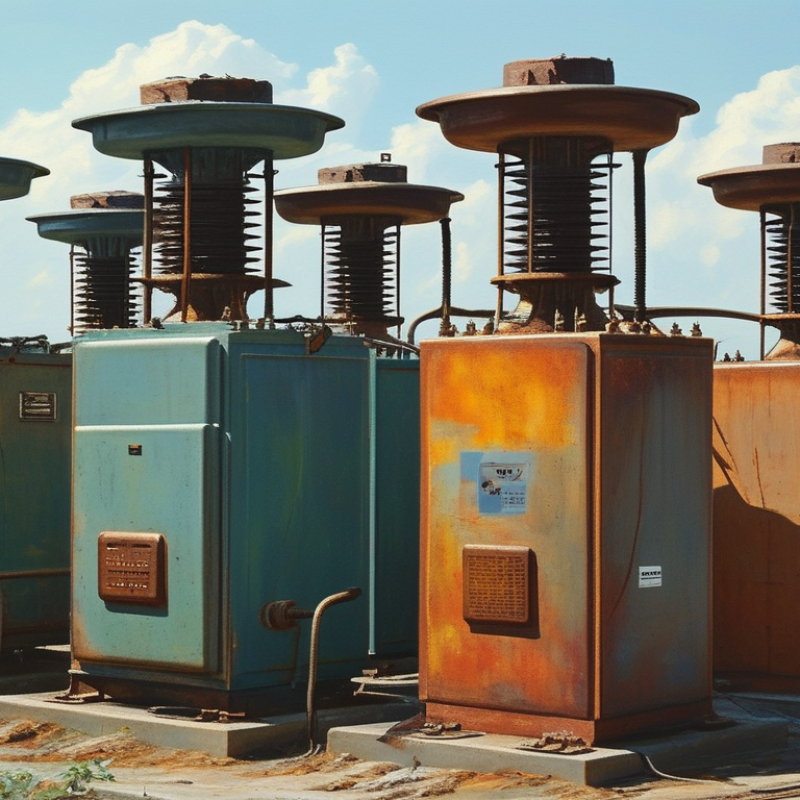
Oil immersed transformers are crucial for power distribution. They operate effectively under specific conditions. However, overheating is a common issue. Understanding the factors that contribute to this problem can help mitigate it.
One key factor is the transformer’s oil level. Low oil levels reduce cooling efficiency. Ensure the oil is always within the recommended range. Poor ventilation also plays a significant role. Ensure adequate airflow around the transformer. This will help maintain optimal operating temperatures.
Tips: Regular maintenance checks are essential. Inspect connections and ensure they are tight. Monitor the temperature closely; sudden spikes may indicate a problem. Overloading the transformer can also lead to overheating. Always follow specified load ratings.
Lastly, consider environmental factors. Transformers in high temperatures or direct sunlight may heat up faster. Implement cooling systems or shade to protect them. Proper understanding and maintenance are vital in preventing overheating issues in oil immersed transformers.
: Overheating can be caused by low oil levels, overload conditions, or dirt accumulation.
Proper oil levels ensure effective heat dissipation and reliability of transformer operation.
Continuous overload can lead to increased temperatures and shorten the lifespan of the transformer.
Accumulated dirt can impede cooling efficiency, leading to unsafe temperature levels.
Ensuring adequate ventilation around transformers is essential for heat dissipation.
Balancing electrical loads can prevent transformers from being overwhelmed and generating excess heat.
Thermal imaging inspections help identify potential hotspots before they become serious issues.
Contact an expert if your transformer consistently shows high temperatures or unusual noises.
Regular checks on temperature, cleanliness, and system function are crucial to prevent overheating.
Document any changes in performance to understand underlying issues and implement appropriate solutions.
Understanding the frequent overheating of oil immersed transformers is crucial for maintaining their efficiency and longevity. The article "Why Does My Oil Immersed Transformer Keep Overheating?" delves into several common causes that may lead to this issue, including inadequate ventilation, excessive load, and oil degradation. Identifying the signs and symptoms of overheating, such as unusual noises or a rise in temperature, can help in early detection and prevention.
To mitigate these problems, the article discusses various strategies, such as ensuring proper maintenance routines, monitoring operating conditions, and considering environmental factors that may impact performance. Additionally, it emphasizes the importance of seeking professional help when necessary, particularly when overheating becomes a recurring problem, ensuring that your transformer operates safely and effectively.

 Pirooz Power