Rising temperatures pose significant challenges for electrical infrastructure, especially transformers. "How does temperature rise affect transformer insulation life?" is a pressing question in the industry. Dr. Emily Torres, a leading expert in electrical engineering, emphasizes, “Insulation materials degrade faster with each degree rise in temperature.” This stark reality highlights the vulnerability of transformers in an ever-warming climate.
Transformer insulation typically operates optimally at specific temperatures. As temperatures increase, the chemical breakdown of insulation materials accelerates. This deterioration can lead to failures, reducing both lifespan and reliability. For instance, a mere 10-degree Celsius rise can halve the insulation life. While advancements in materials offer some hope, they are not universal solutions.
Furthermore, the impact of humidity and environmental conditions cannot be overlooked. These factors compound the stress on insulation systems. Engineers must continuously assess performance and consider the trade-offs in material choices and operational conditions. The journey of understanding "how does temperature rise affect transformer insulation life" is ongoing, yet it calls for immediate action to safeguard essential infrastructure.
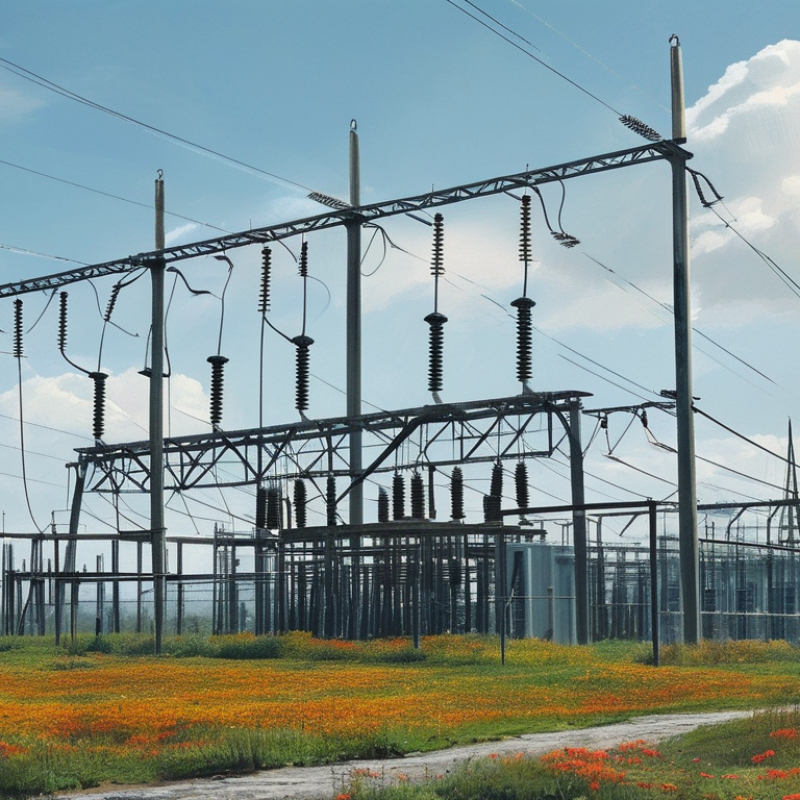
Rising temperatures pose a significant challenge for transformer insulation materials. Many transformers use oil and paper as insulators. As temperatures increase, these materials degrade faster than expected. This degradation leads to a reduced lifespan for the transformer, raising concerns for energy providers.
Increased temperature accelerates the oxidation process of insulation materials. This can cause the insulation to become brittle and lose effectiveness. A change in mechanical properties is often observed when temperatures rise above recommended levels. As a result, insulation may fail prematurely, causing costly outages.
Physical signs of wear, such as discoloration or cracks, can appear more frequently. Operators may overlook these details in routine checks. It’s crucial to implement rigorous monitoring and testing. Understanding how temperature affects insulation can lead to better maintenance strategies. Reflecting on past failures can help improve future performance.
| Temperature Range (°C) | Insulation Material | Estimated Lifespan (Years) | Degradation Rate (%/Year) | Notes |
|---|---|---|---|---|
| 60-70 | Cellulose | 15 | 5 | High thermal stress reduces lifespan significantly. |
| 70-80 | Paper-Insulated Oil | 10 | 8 | Accelerated aging effects observed at high temperatures. |
| 80-90 | Synthetic Polymeric | 7 | 12 | Polymeric materials tend to degrade faster in heat. |
| 90-100 | Mineral Oil | 5 | 15 | Severe thermal degradation; not recommended for long-term use. |
High operating temperatures can significantly influence the lifespan of transformer insulation. Elevated temperatures accelerate chemical reactions within the insulation materials. As transformers age, these reactions compromise insulation integrity. Research by the IEEE indicates that each 10°C increase in temperature can halve the insulation lifespan. This effect underscores the critical need for temperature regulation in transformer operations.
Insulation materials rely heavily on chemical stability. When temperatures rise, the degradation process speeds up. For example, paper insulation, widely used in transformers, can start losing its mechanical strength at elevated temperatures. The National Electrical Manufacturers Association reports that over 80% of transformer failures stem from insulation breakdown. Higher temperatures favor the formation of gases, which can lead to pressure buildup and further insulation degradation.
Cooling systems can mitigate some risks, but they cannot eliminate them entirely. Over time, repeated thermal stress leads to unpredictable insulation behavior. Regular maintenance routines may help identify early signs of wear. Understanding these dynamics is essential for engineers and operators. Monitoring temperature and employing suitable cooling strategies can help extend the life of transformer insulation. The reality is that rising temperatures challenge our existing systems, requiring a proactive approach to modern transformer management.
As temperatures increase, transformer insulation faces significant thermal aging. This process weakens insulation materials and reduces their lifespan. High temperatures accelerate chemical reactions that lead to degradation. Over time, insulation loses its mechanical strength and electrical properties. This degradation can lead to costly failures and unscheduled downtime.
To mitigate these effects, regular monitoring is essential. Implement thermal imaging to identify hotspots. Replace insulation materials before they reach their limits. Education on the impacts of temperature can empower maintenance teams. Understanding that even small increases in temperature can have long-term effects is vital.
Tips: Prioritize routine inspections. Schedule them based on temperature trends. Invest in quality insulation materials designed for higher temperatures. Small changes today can extend the lifespan of transformers significantly. Knowledge and proactive measures are key to effective maintenance.
Elevated temperatures can significantly impact the lifespan of transformer insulation. Studies suggest that for every 10°C increase in temperature, the insulation lifespan can be reduced by 50%. This rapid deterioration is concerning for utility companies and industries relying on transformers.
Insulation materials typically degrade faster at high temperatures. For instance, polyester and epoxy resins may lose their insulating properties sooner when subjected to heat. In practical terms, a transformer operating at 90°C may experience years of degradation compared to the same unit at 70°C. It’s crucial to monitor these temperature levels diligently.
The relationship between temperature and insulation lifespan doesn't only affect performance. Increased heat can lead to higher maintenance costs and operational downtime. Insights from industry reports emphasize the need for regular temperature assessments and proactive measures to manage insulation health. Neglecting these factors might result in unexpected failures, costly repairs, and safety hazards.
Rising temperatures pose a significant threat to transformer insulation, accelerating its degradation. To counter this, certain mitigation strategies can be effective. One such method is maintaining optimal cooling systems. Efficient cooling helps regulate the transformer’s temperature, which is crucial for extending insulation lifespan. Regular maintenance of these systems ensures they function as intended, preventing overheating.
Another important strategy involves using high-quality insulating materials. While these may come at a higher upfront cost, they offer better resistance to heat and moisture. Advanced materials can withstand temperature fluctuations more effectively than standard options. Employing properly designed thermal management systems also plays a role. These can provide additional protection by controlling heat distribution.
Training personnel in proper handling and maintenance techniques is vital. An experienced team can identify potential issues early. They can implement solutions before the insulation sustains irreparable damage. However, many facilities overlook this aspect. Investing in personnel development can lead to significant long-term benefits. The balance between cost and longevity often requires careful consideration—an area that demands ongoing reflection.
: Thermal aging is the process where high temperatures weaken transformer insulation.
Increased temperatures speed up chemical reactions, leading to insulation degradation.
Insulation may lose mechanical strength and electrical properties over time.
Regular inspections and thermal imaging can help identify hot spots.
High-quality materials resist heat and moisture better, extending insulation lifespan.
Proper cooling regulates temperature, preventing overheating and insulation damage.
Experienced teams can spot potential issues early, preventing severe damage.
Many facilities neglect the importance of training for maintenance teams.
Minor adjustments today can significantly prolong the lifespan of transformers.
There's often a trade-off between upfront costs and long-term insulation longevity.
The article "How Does Rising Temperature Impact Transformer Insulation Lifespan?" explores the critical relationship between temperature and the longevity of transformer insulation materials. It discusses how increased temperatures can lead to accelerated chemical reactions within the insulation, resulting in faster degradation. Thermal aging is highlighted as a significant factor influencing the insulation's deterioration, with elevated operating temperatures compounding the effects. The article further emphasizes the importance of measuring these temperature impacts accurately to predict insulation lifespan effectively.
To mitigate these detrimental effects, the article suggests various strategies that can enhance insulation longevity in transformers, ensuring reliable performance even in high-temperature environments. Overall, understanding how does temperature rise affect transformer insulation life is crucial for maintaining the efficiency and reliability of power systems.

Pirooz Power