In 2026, deciding when should you replace rather than repair a power transformer requires more than checking its age. A unit may still operate while insulation weakens, oil tests deteriorate, or repeated faults signal deeper damage. Conversely, an older transformer with stable test results and a sound repair history may remain serviceable. The decision should draw on inspection findings, electrical testing, failure records, load demands, and the consequences of an outage. Look for concrete clues: recurring leaks, abnormal dissolved-gas readings, hot connections, or protection trips that return after repairs. One symptom alone rarely tells the whole story.
Transformer author John J. Winders offers a useful principle, paraphrased here: “Judge condition and system risk, not age alone.” That is a practical starting point, not a complete decision rule. Compare the repair scope and expected service life with replacement cost, lead time, and the risk of another failure. Consider whether a repaired unit can meet current loading needs, and whether replacement would improve monitoring or reliability. A qualified transformer specialist should review test trends and repair records before a final decision. Small details matter. A fresh oil sample may look reassuring, yet a rising fault-gas trend deserves attention. There is room for uncertainty, too: test data can conflict, and forecasts are not guarantees. This guide explains how to weigh those signals and make a defensible choice.
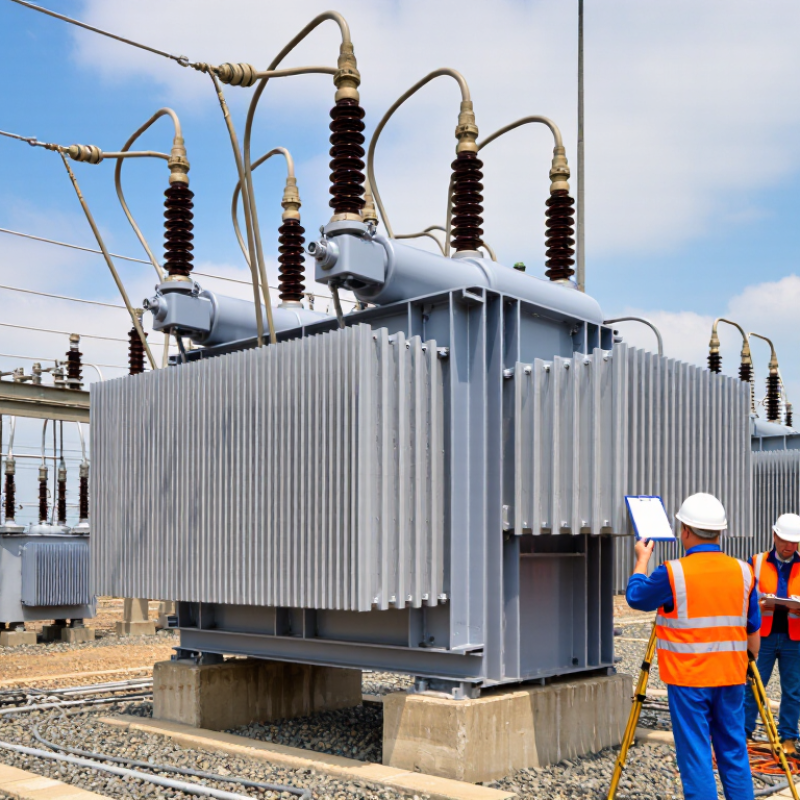
A 25–40-year service life is a useful screening range, not a fixed retirement date. The U.S. Department of Energy’s 2013 distribution-transformer rulemaking used a 32-year lifetime in its economic model. That figure supports planning, but it is not a guarantee for every power transformer. Loading, cooling, moisture, maintenance, and fault history all affect condition. IEEE C57.91-2011 explains how winding hot-spot temperature influences insulation aging. A unit that ran hot for years may be more worn than a cooler, older neighbor. Age matters. Condition matters more.
Tips: Check oil-test trends, dissolved-gas results, moisture, thermal scans, leaks, and protection records. Compare readings over time; one test rarely tells the whole story. A clean tank can still conceal internal deterioration.
Use the 25–40-year range to prioritize inspection and replacement planning, especially when spare capacity is limited. Look closely at paper-insulation condition, recurring gas changes, bushing defects, and past through-faults. CIGRE’s transformer reliability work emphasizes fleet experience and failure patterns, while IEEE guidance helps interpret thermal aging; neither supports replacing every unit at one age. Document uncertainty, too. Test results can conflict, and some deterioration is hard to quantify. A practical decision weighs failure risk, repair options, lead time, and the consequences of an outage.
A power transformer rarely announces the right replacement date with one alarming gas result. IEEE C57.104-2019 provides guidance for interpreting dissolved gases in mineral oil, but results need context. A single sample is a snapshot. Trends reveal more.
Compare samples collected and tested consistently. Track key gases, their rates of change, and the overall pattern. A rise in hydrogen or acetylene may warrant prompt investigation, but it does not automatically prove the transformer must be replaced. Check sampling records, loading, temperature, maintenance history, and possible recent faults. Small differences in sampling or laboratory methods can muddy a trend. Easy to overlook.
Use the trend to guide action. A stable pattern may support continued monitoring, while rapid changes or multiple concerning indicators call for closer assessment. Confirm results with follow-up sampling and, where appropriate, inspections or other diagnostic tests. Then weigh the evidence alongside age, operating demands, repair options, and the consequences of an outage. That judgment is not tidy. Replacement makes sense when the combined evidence points to unacceptable risk, not merely because one test crossed a line.
When Should You Replace a Power Transformer in 2026?
Evaluate Thermal Aging and Loading Under IEC 60076-7
Age alone is a poor replacement trigger. IEC 60076-7:2018 evaluates loading through top-oil and winding hot-spot temperatures, then estimates insulation aging. For thermally upgraded paper, its model indicates that aging roughly doubles for each 6°C rise near the 98°C reference point. A hot spot near 110°C can therefore age insulation about four times faster. That matters.
Use real operating records, not nameplate capacity alone. Compare hourly load, ambient temperature, cooling status, and estimated hot-spot temperature across seasonal peaks. A transformer carrying 110% load briefly may face less thermal stress than one running heavily for long periods in summer heat. Check the assumptions. Sensor errors, missing load history, or an inaccurate cooling model can distort the result.
Thermal calculations are only one part of the decision. CIGRE Technical Brochure 642 analyzed 964 major transformer failures, showing why failure evidence should inform maintenance and replacement planning alongside age. Review dissolved-gas analysis, moisture, insulation condition, bushing tests, and the history of trips or leaks. A spreadsheet can still be wrong. If measured condition conflicts with the calculated aging estimate, investigate before extending service or approving replacement. Some uncertainty remains; document it rather than hiding it.
Evaluate thermal aging and loading under IEC 60076-7
For thermally upgraded paper, the IEC 60076-7 thermal aging relationship gives a relative aging rate of 1 at a 110°C hot spot. Higher temperatures accelerate aging sharply: at 130°C, the rate is about 7 times the reference rate. Use actual loading and hot-spot temperature history alongside condition assessments; this chart alone does not determine replacement timing.
When Should You Replace a Power Transformer in 2026?
Age alone is a poor reason to replace a power transformer. Oil, paper insulation, bushings, and fault history offer better clues about its condition. Review oil test trends, including moisture, acidity, and dissolved gases. Rising moisture can weaken insulation, while certain gas patterns may point to overheating or electrical faults. A single sample rarely tells the whole story. Trends matter.
Paper insulation is difficult to inspect directly, but oil tests can reveal signs of aging. Furan compounds may help estimate paper deterioration, though results need context. Bushing capacitance, power factor, and visible leaks also deserve attention. A cracked seal or unexplained test change should prompt a closer assessment. Check fault records, too. Repeated trips, through-faults, or a major short circuit may have caused damage that routine inspections miss. No single reading settles it.
Tips: Compare current test results with past readings taken under similar conditions. Record oil temperature and recent loading. Ask a qualified transformer specialist to assess unusual changes alongside maintenance and fault records. Some findings remain uncertain; document that uncertainty rather than treating one test as a replacement decision.
When should you replace a power transformer in 2026? Replace it when failure risk, repair cost, or capacity limits outweigh the value of continued service. Age alone is weak evidence. Review oil test results, dissolved gas trends, bushing condition, leak history, and protection records together. A rising fault-gas trend or repeated overheating deserves prompt engineering review, not just another routine inspection. Keep the assessment tied to actual load and operating conditions.
Repair may make sense when a defect is localized and the unit can return to reliable service quickly. Replacement becomes more compelling when failures recur, spare parts are scarce, or a major winding repair approaches the cost of a new unit. Include outage exposure in that comparison. A cheaper repair can still be costly if it leaves a critical feeder vulnerable. The exact threshold depends on the site; there is no universal age or repair-cost rule.
Capacity limits can also justify replacement before a breakdown. If peak load repeatedly pushes the transformer near its continuous rating, or planned expansion leaves little headroom, model demand and cooling performance before deciding. The International Energy Agency’s 2023 report, Electricity Grids and Secure Energy Transitions, says annual grid investment needs to rise above $600 billion by 2030. That is system-wide context, not a transformer replacement target. Still, it underscores the pressure to plan upgrades early. A practical review should compare forecast loading, contingency needs, delivery lead times, and the cost of temporary restrictions. One uncomfortable question remains: are you replacing the transformer, or postponing a wider network problem?
No. One sample is only a snapshot. Compare consistent samples and investigate changes before making a decision.
Rising hydrogen or acetylene may warrant prompt investigation. Neither result alone proves replacement is necessary.
Review sampling records, laboratory methods, loading, temperature, maintenance, and recent faults. Small testing differences can blur a trend.
Stable readings may support continued monitoring. Rapid changes or several concerning indicators call for closer assessment and follow-up testing.
No. Age matters, but condition, operating demands, repair options, and outage consequences matter too. The decision is not neat.
Near the reference temperature, a six-degree rise can roughly double aging for thermally upgraded paper. A hot spot near 110°C may age insulation about four times faster.
Review hourly load, ambient temperature, cooling status, and estimated hot-spot temperatures. A brief overload may be less stressful than sustained summer loading.
Investigate before extending service or approving replacement. Check sensor accuracy, missing records, cooling assumptions, gas results, moisture, and insulation condition. The spreadsheet may still be wrong.
Consider gas trends alongside bushing tests, leaks, trips, insulation condition, and failure history. No single number should carry the whole decision.
A power transformer’s age is a useful screening point, not an automatic replacement deadline. Many units serve for roughly 25 to 40 years, but actual condition depends on operating temperature, loading, maintenance, and past faults. Track dissolved gas trends over time using established interpretation guidance rather than relying on one oil test. Assess thermal aging and loading history against recognized thermal models, and inspect the oil, paper insulation, bushings, and records of electrical or mechanical incidents. Together, these indicators give a more reliable picture of remaining service life.
The key question is when should you replace rather than repair a power transformer? Replacement is worth considering when evidence points to a rising likelihood of failure, repairs are becoming frequent or costly, or the unit can no longer meet required capacity. Compare the cost and risk of continued operation with repair and replacement options, while accounting for system reliability and future demand.

Pirooz Power