High-efficiency dry-type and oil-immersed transformers built for critical commercial and heavy industrial grids.
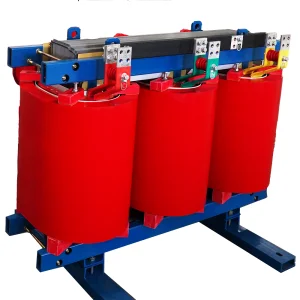
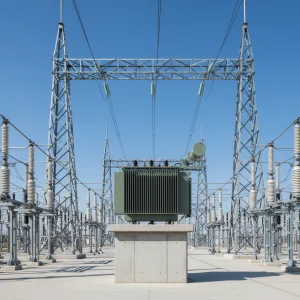
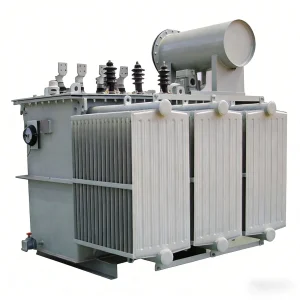
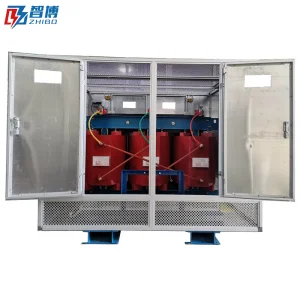
In the modern era of industrial decarbonization and smart-grid evolution, the global power distribution landscape is undergoing a critical transition. Traditionally, liquid-immersed transformers have dominated utility applications. However, rapid urbanization, stringent safety directives, and the exponential expansion of energy-intensive infrastructure—such as mega data centers, smart commercial hubs, and high-tech manufacturing parks—have catalyzed a monumental shift toward Dry-type Transformers.
Unlike oil-filled units, dry-type transformers eliminate catastrophic fire risks and environmental oil leaks by using air convection and solid insulation (such as cast epoxy resin or vacuum pressure impregnation) as their cooling and insulating medium. The European Union's Eco-design Directive, the US Department of Energy's (DOE) efficiency requirements, and national net-zero roadmaps are enforcing strict limitations on transformer losses. This regulatory framework drives demand for manufacturers capable of producing high-performance, eco-friendly systems.
From a macroeconomic perspective, the supply chain for electrical machinery has faced significant bottlenecks due to raw material volatility (specifically electrical-grade steel and copper). Leading global suppliers must demonstrate robust vertically integrated manufacturing setups, strategic procurement lines, and localized engineering support to meet strict infrastructure development schedules.
Dry-type transformers are critical components across a wide range of specialized, demanding applications. Their design allows for installation inside buildings, underground installations, and high-safety environments where oil-insulated systems present unacceptable hazards.
Data centers require uninterrupted power. Cast resin isolation transformers mitigate fire hazards while managing high harmonic currents generated by server power supplies without overheating.
Connecting solar arrays and wind installations to local grids. These units handle variable cycle loads and transient voltages common in renewable power generation.
Sealed enclosure configurations operate in environments containing heavy dust, chemicals, and moisture. They resist high vibrations, thermal shock, and mechanical stresses.
Modern electrical architecture often requires specialized solutions like on-load tap-changing, rectifier, and furnace designs. Leading manufacturers provide tailor-made options that seamlessly integrate into containerized electrical substations, helping developers streamline project design and installation.
Henan Pirooz Power Co., Ltd. is a comprehensive electrical power equipment manufacturer integrating research and development, engineering design, production, sales, and after-sales service. The company specializes in customized solutions for power transformers and complete sets of transmission and distribution equipment, providing reliable and efficient electrical products for global energy infrastructure projects.
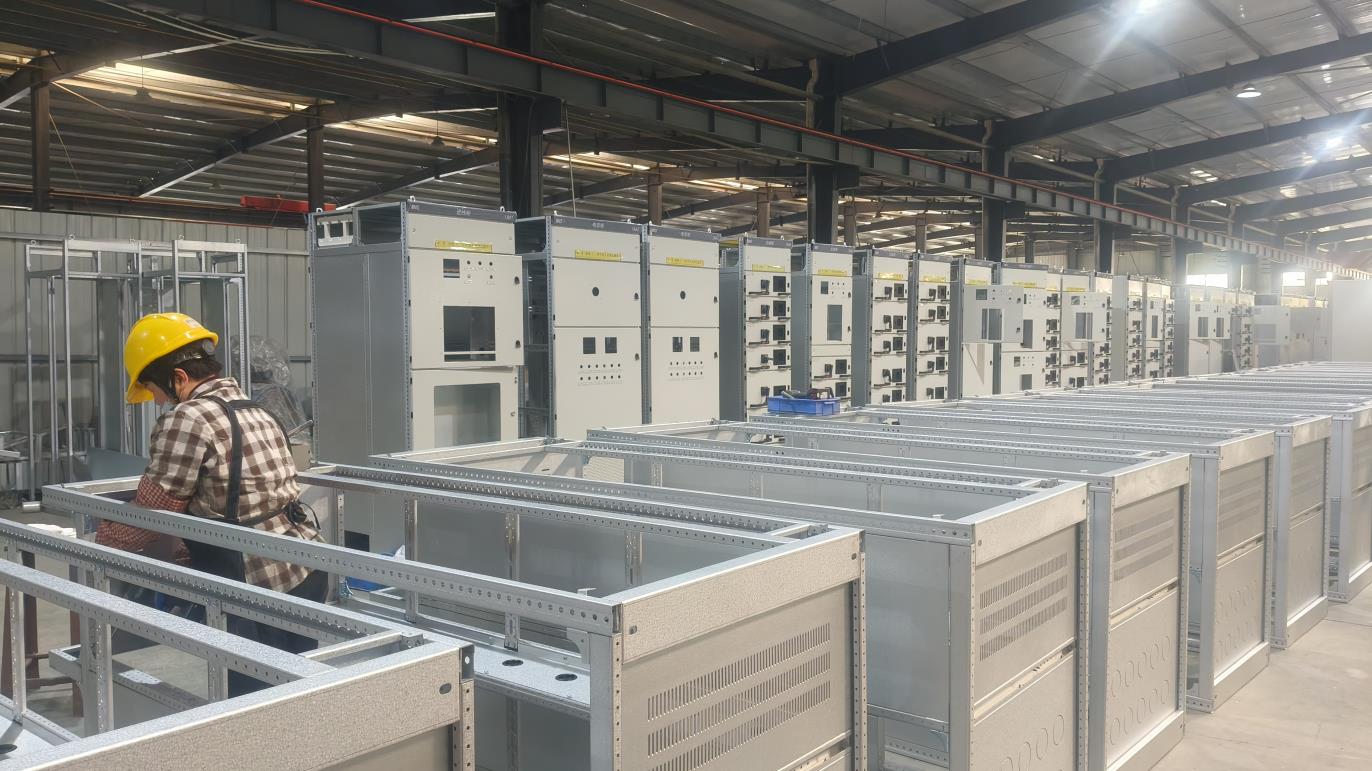
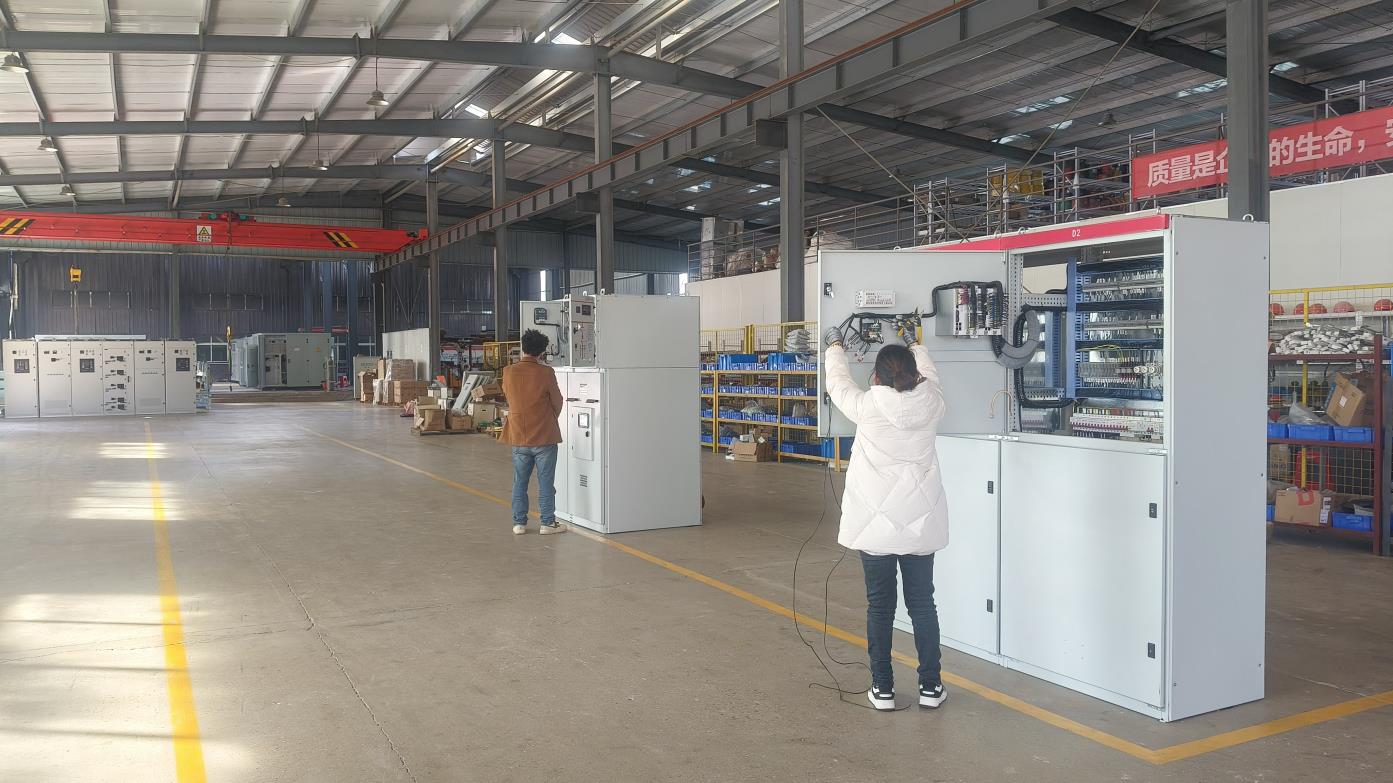
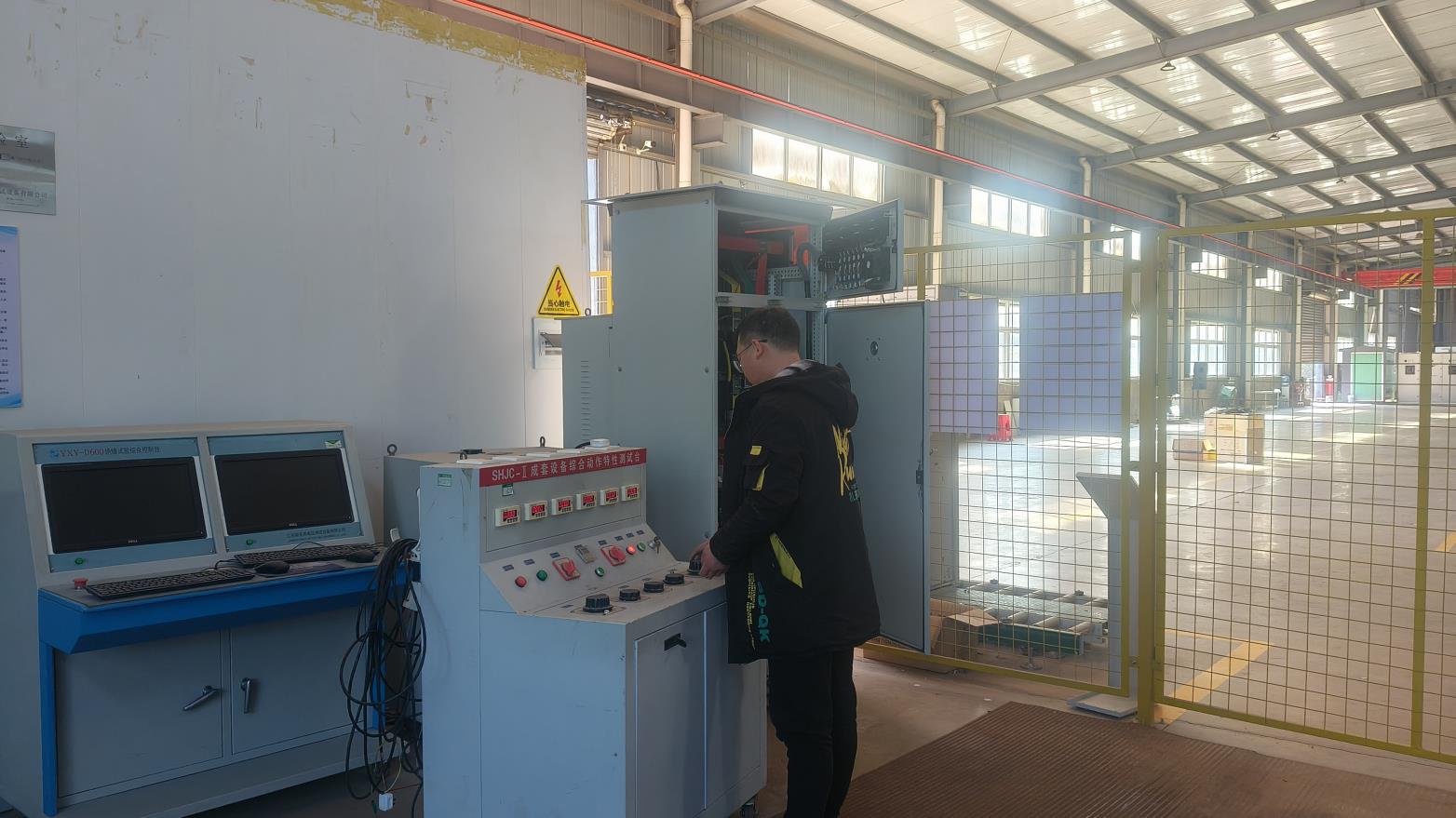
Operating a modern manufacturing facility, the company features a complete production system covering product design, precision machining, assembly, and full electrical testing. Equipped with advanced production lines and strict quality control procedures, Henan Pirooz Power Co., Ltd. ensures that all products meet international standards and customer-specific technical requirements, maintaining high performance, safety, and durability.
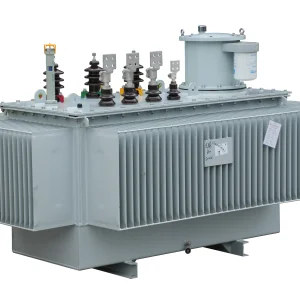
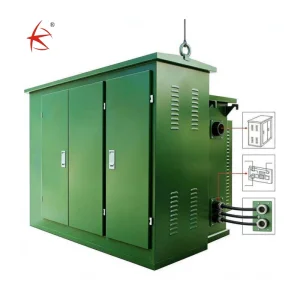
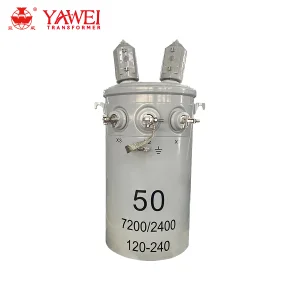
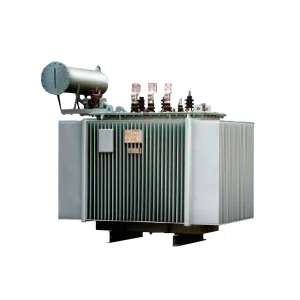
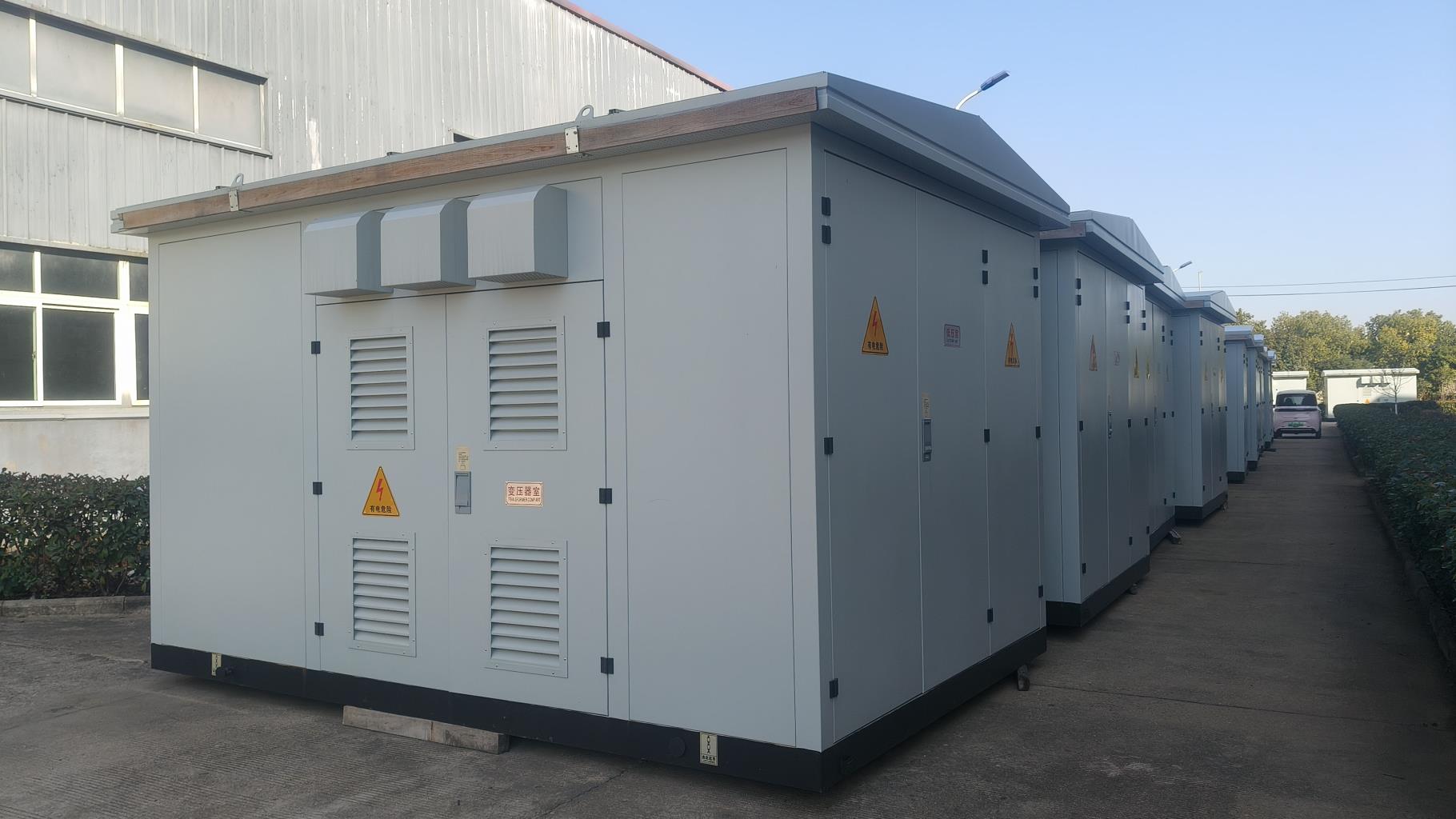
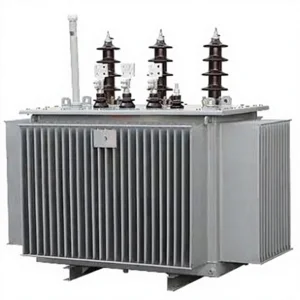
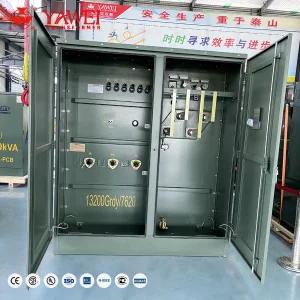
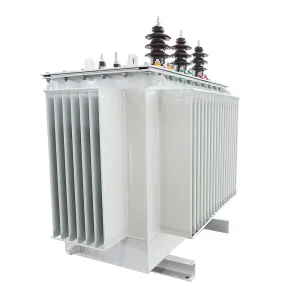
Its core product range includes 10kV–35kV oil-immersed power transformers (such as S11, S13, S14, and S20 series), dry-type transformers (including SCB10, SCB11, SCB13, and SCBH15 series), as well as on-load tap-changing transformers, rectifier transformers, and furnace transformers designed for specialized industrial applications. In addition, the company provides complete electrical system solutions, including high and low voltage switchgear, European-style compact substations, American-style pad-mounted substations, and underground distribution substations.
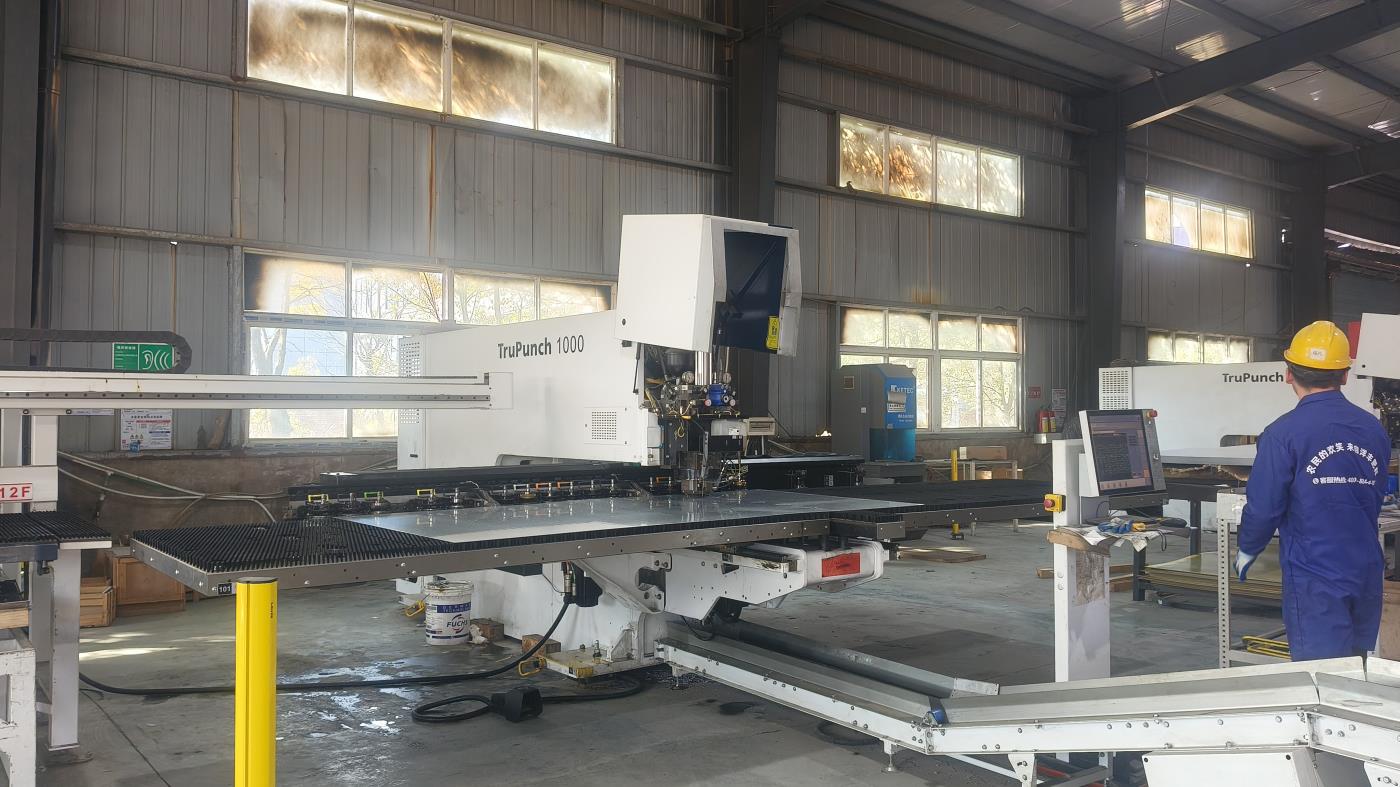
To maintain E-E-A-T credentials as a leading transformer manufacturer and exporter, transparency in production processes is key. Below is the step-by-step manufacturing and mechanical assembly cycle inside Henan Pirooz Power's facility:
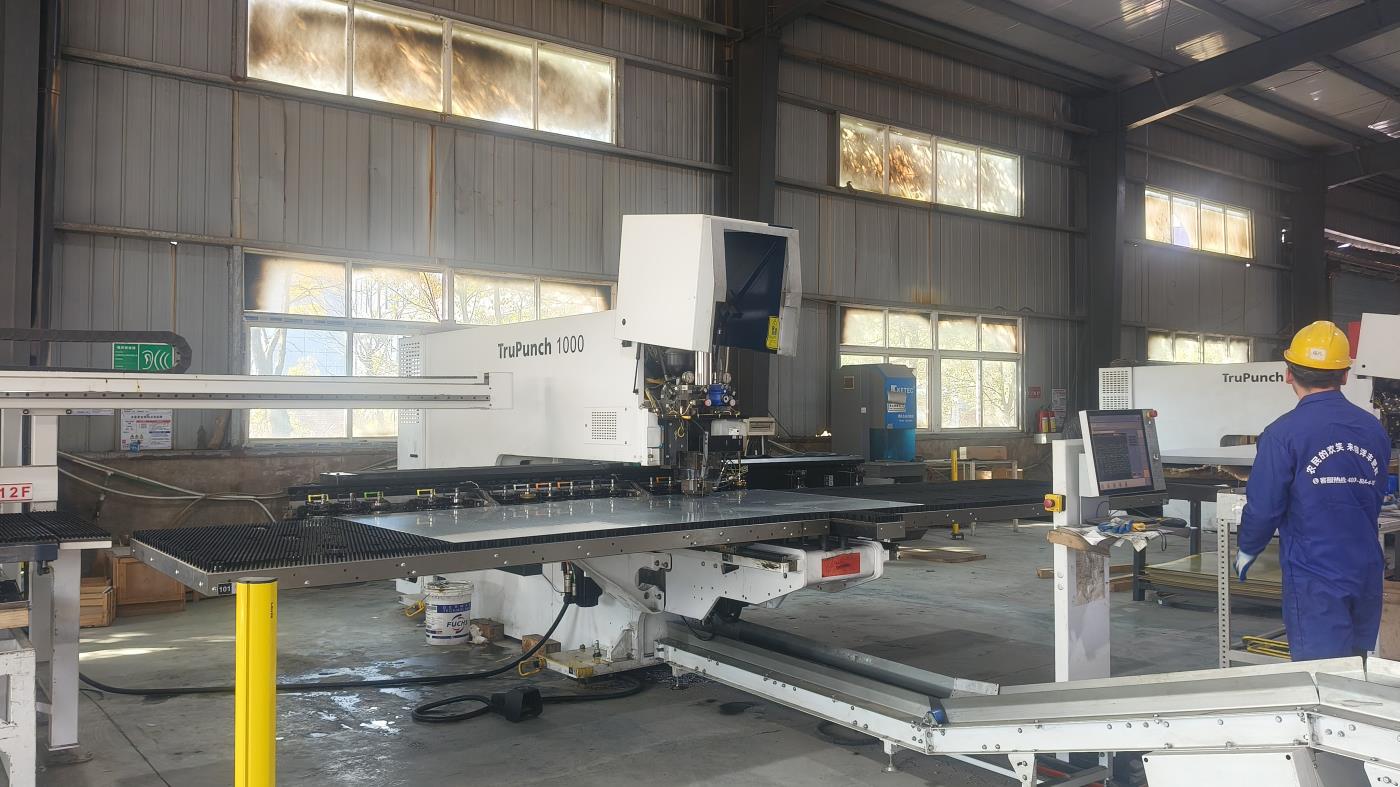
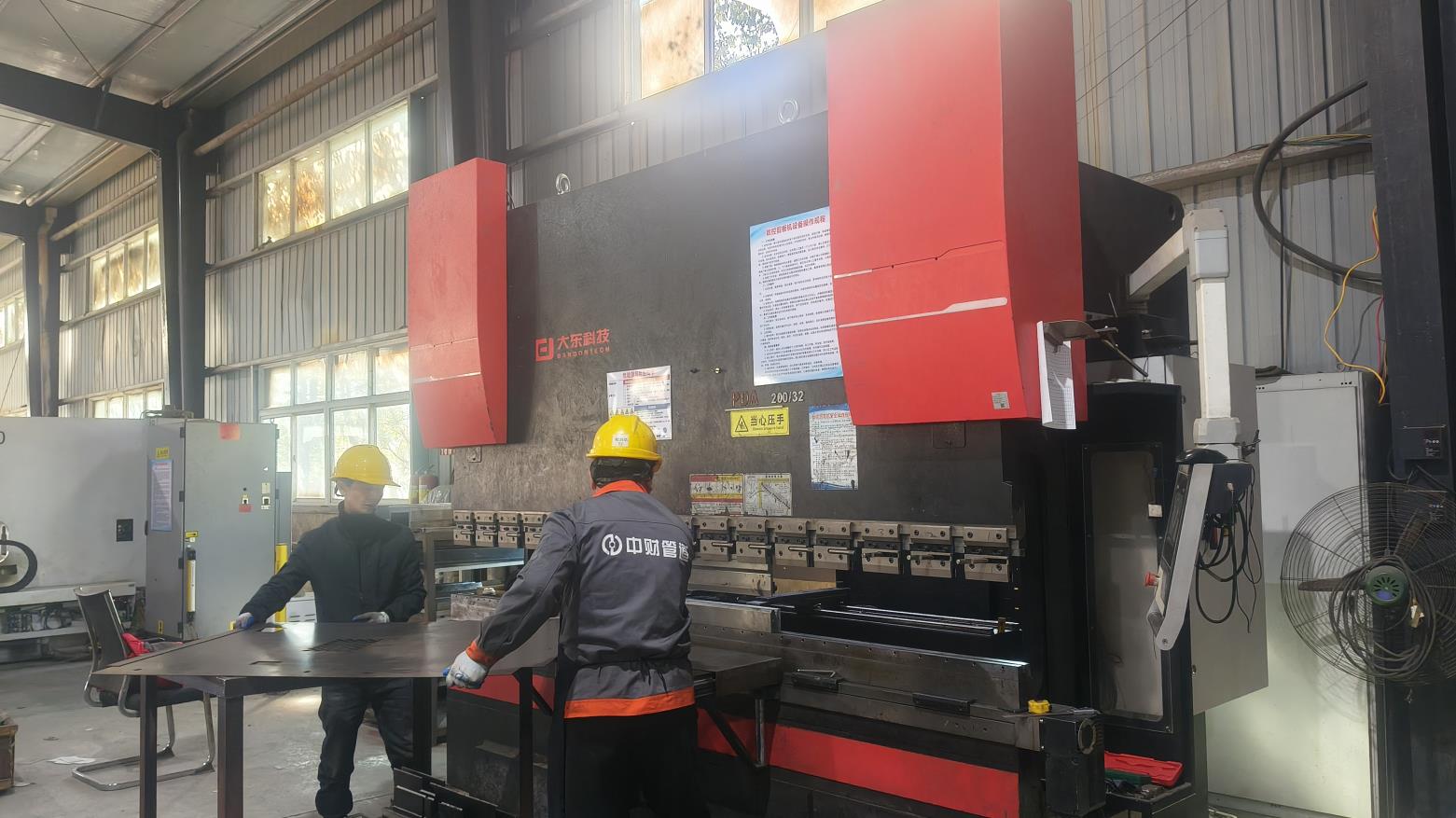
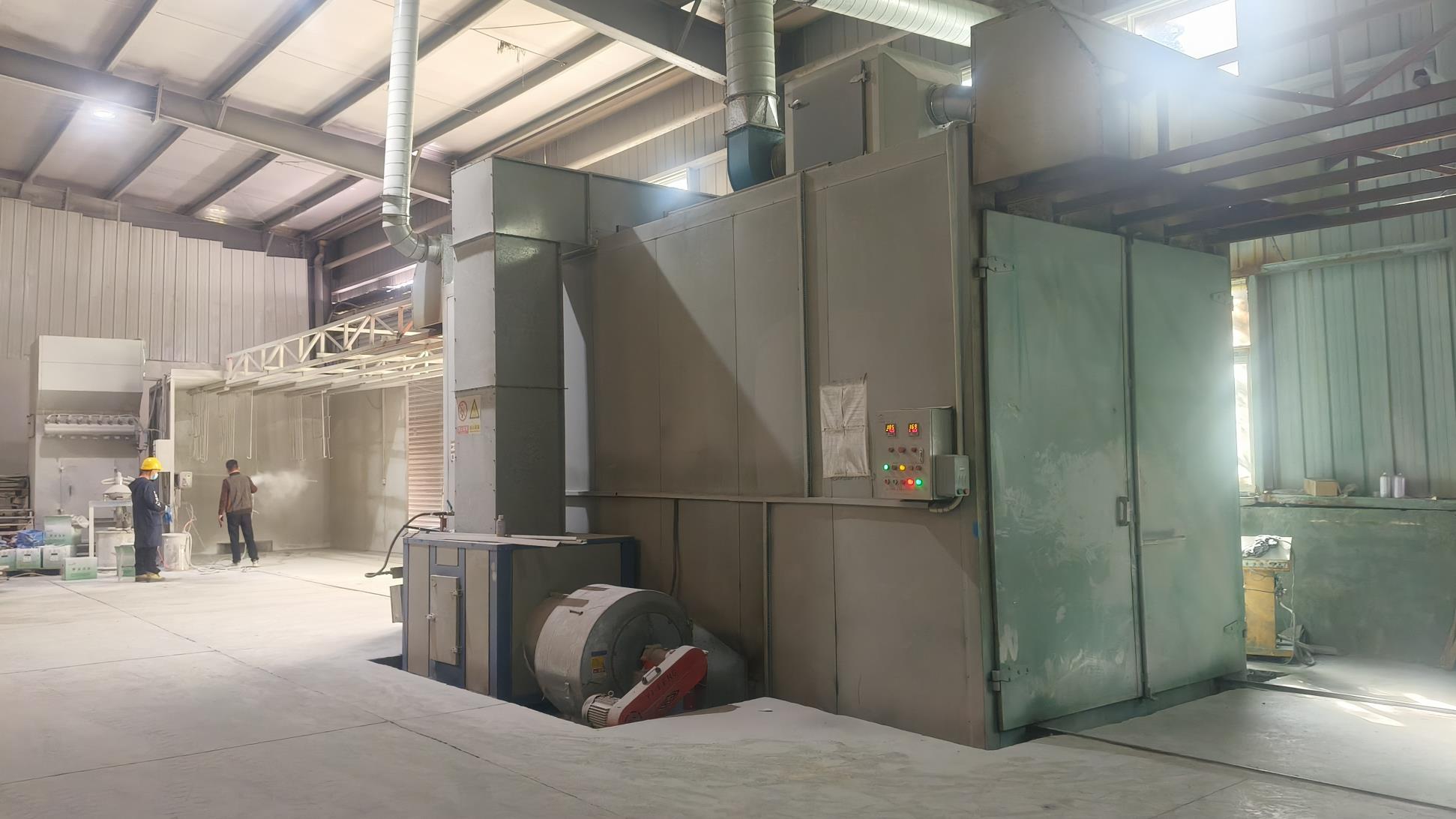
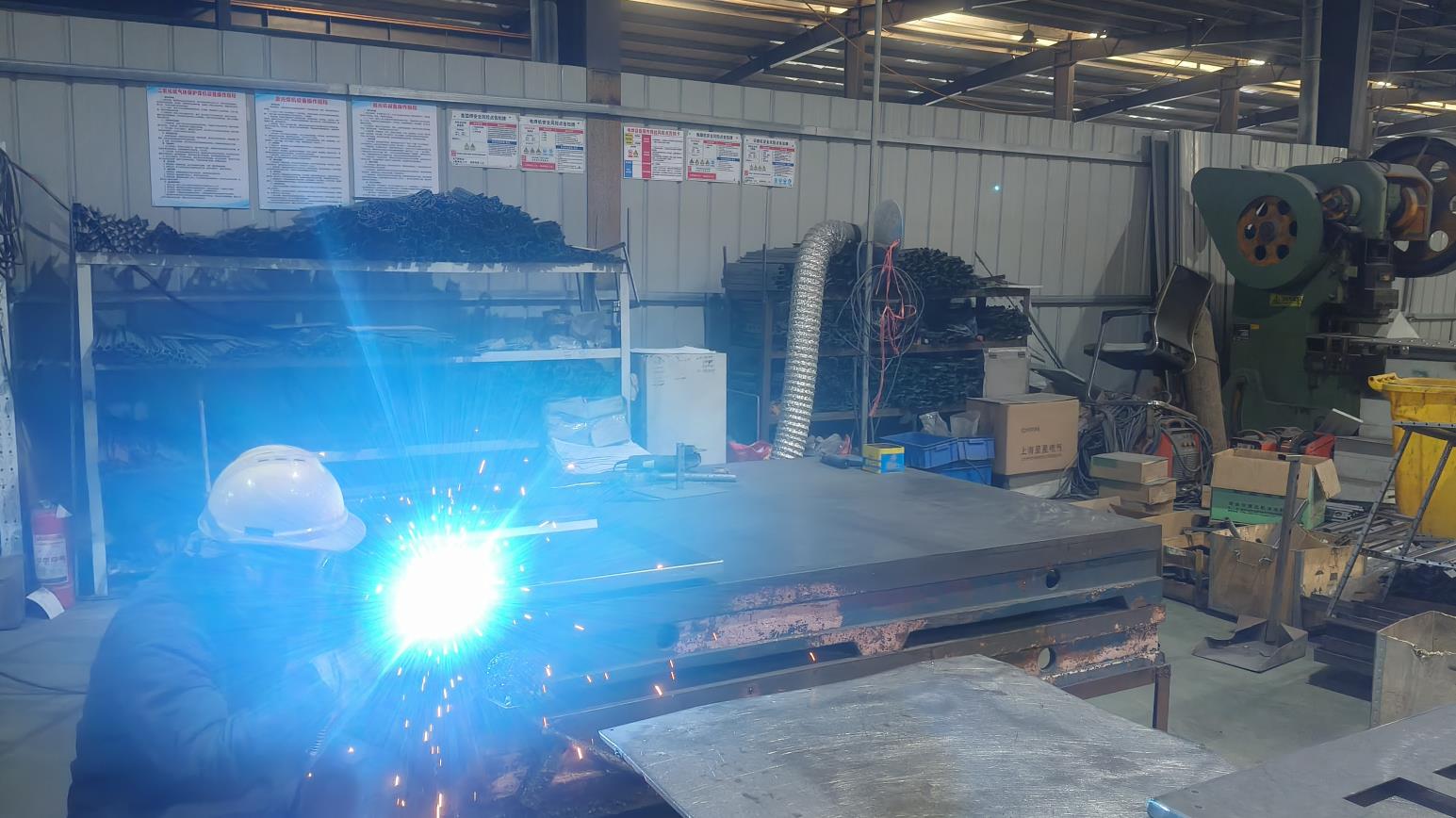
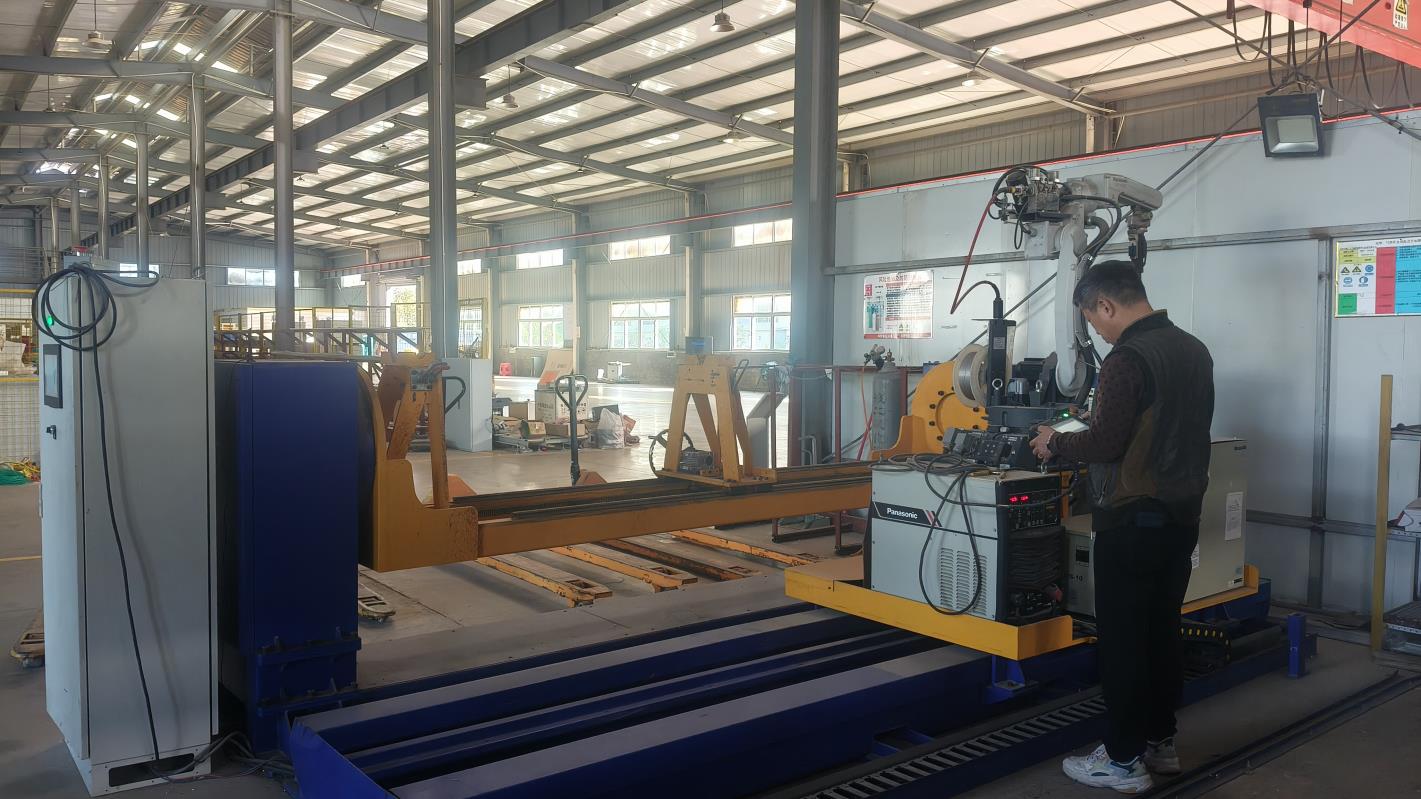
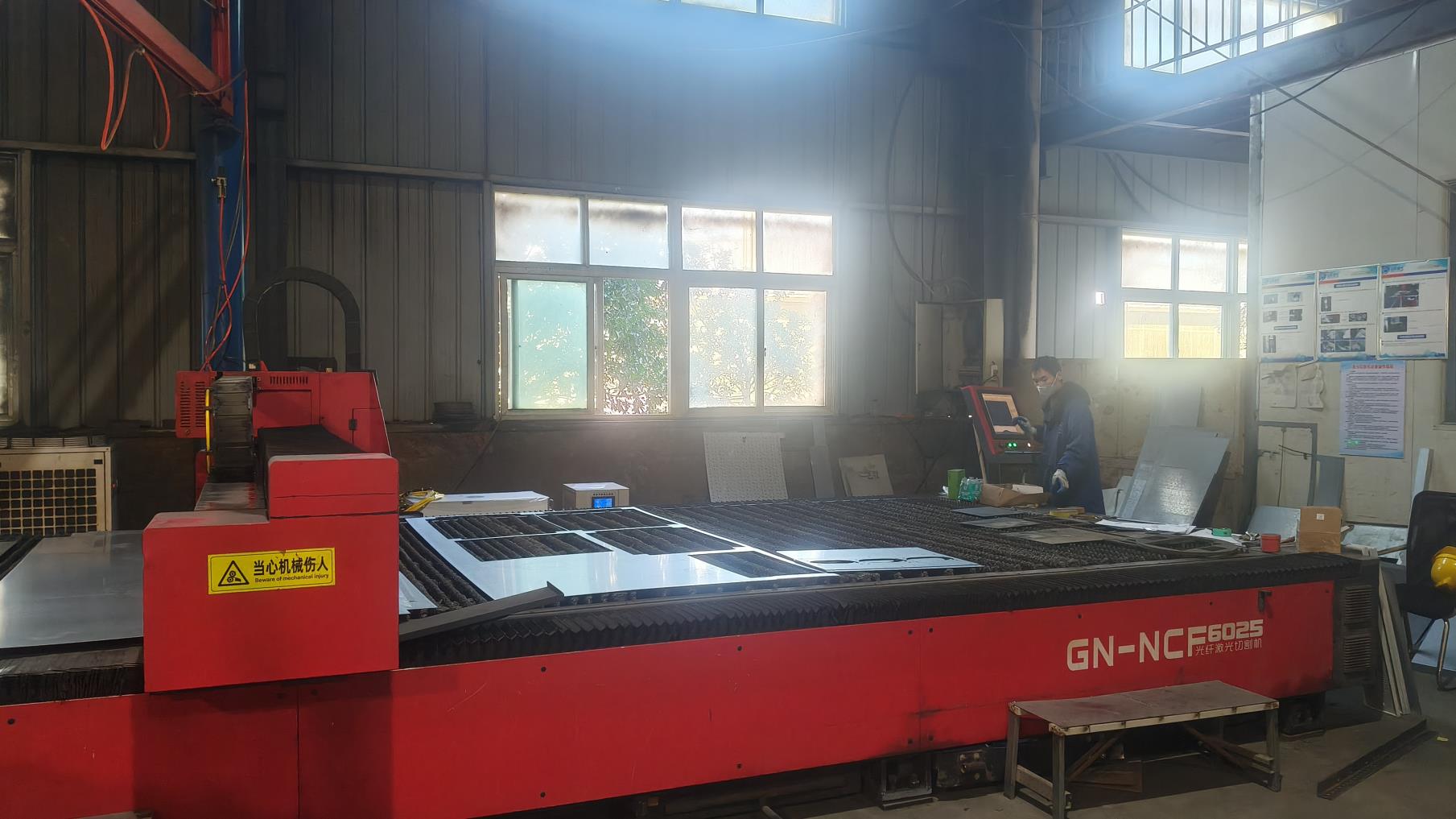
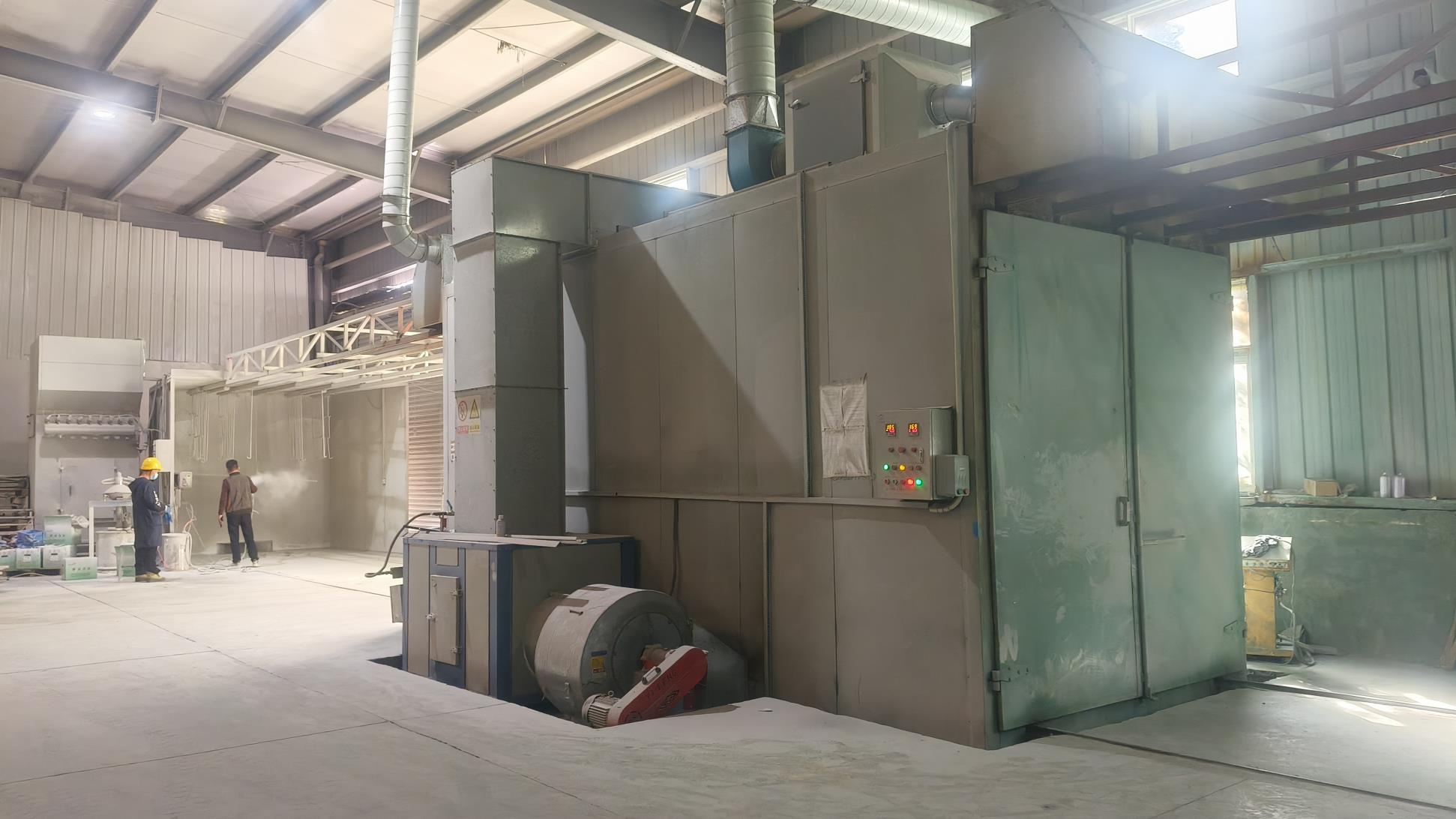
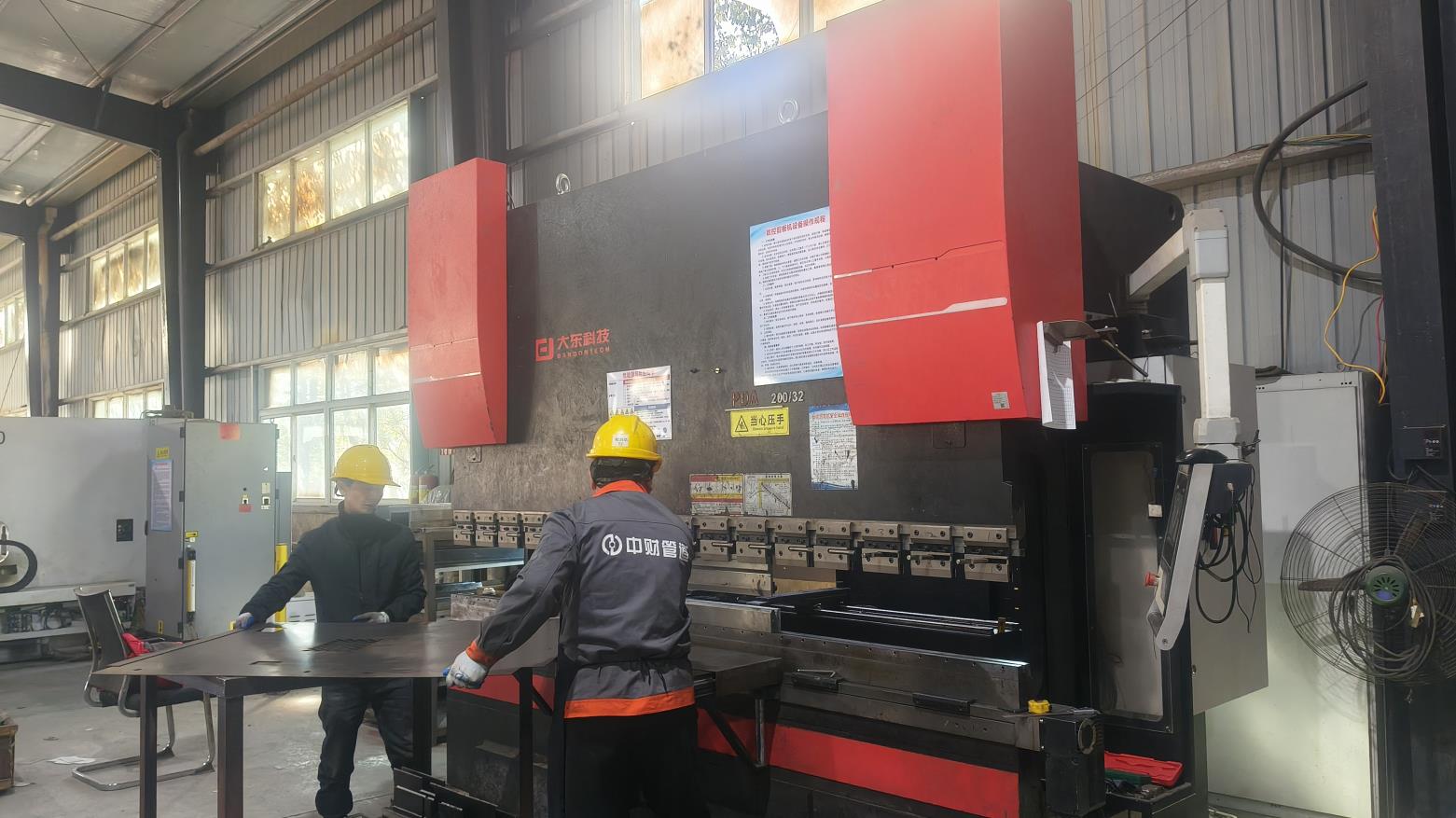
Engineers and substation procurement managers face a critical technical decision during system design: choosing between Cast Resin Dry-type Transformers (CRT) and Vacuum Pressure Impregnated Transformers (VPI). Understanding their structural differences is key to matching them to operational conditions.
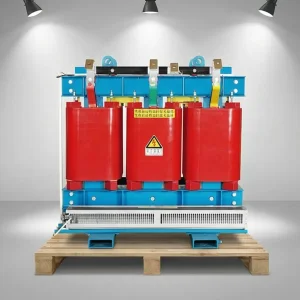
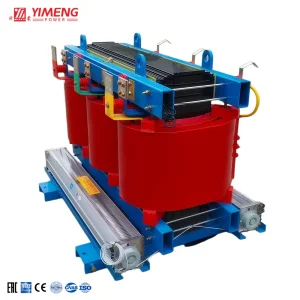
Cast Resin Dry-Type Transformers (CRT): In CRT systems (such as the SCB series), the high and low-voltage windings are encapsulated under vacuum conditions using epoxy resin. This process encapsulates the copper or aluminum conductors in a solid block of moisture-resistant, non-flammable resin. The primary advantage of CRT is its resistance to harsh environmental conditions. The sealed windings prevent moisture ingress, dust build-up, and chemical attack, making them suitable for marine, mining, and highly humid environments. CRT systems also offer high short-circuit strength and mechanical stability, along with minimal partial discharge values.
Vacuum Pressure Impregnated Transformers (VPI): VPI units use high-temperature insulation polyester resin cured under pressure. Unlike CRT, the windings are not completely cast in resin but are coated and cured. VPI systems rely on air passages within the core and coils for heat dissipation. While they are lighter and more cost-effective for clean, indoor applications, VPI transformers are more vulnerable to moisture absorption during shutdown periods. This makes them less suitable than cast resin units for outdoor installations or highly humid environments.
Amorphous Alloy Core Advancements: Modern manufacturing also integrates amorphous alloy steel cores into dry-type systems (such as the SCBH15 series). Amorphous alloys feature a disordered atomic structure that provides lower magnetic resistance than conventional grain-oriented silicon steel. This design reduces no-load losses by up to 70% to 80%, providing a highly efficient solution for utility networks focused on reducing operational carbon footprint.
Deploying transformers globally requires strict adherence to regional grid regulations, climatic design factors, and certification standards. To ensure safety and grid stability, manufacturers must design systems to meet localized conditions.
Standardization Protocols: Global markets are divided into two main standards: IEEE/ANSI (predominantly in North America) and IEC (dominant in Europe, Asia, and Latin America). Compliance with IEC 60076-11 (for dry-type power transformers) and IEEE C57.12.01 is essential. These standards define thermal insulation limits, basic impulse levels (BIL), short-circuit withstand capabilities, and audible noise limits. Additionally, CE marking and UL verification are required for entry into Western markets.
Environmental and Climatic Classifications: Under IEC frameworks, dry-type transformers are tested according to three classes:
• Environmental Class (E0, E1, E2, E3): E2 indicates suitability for heavy condensation and pollution, while E3 is designed for high-salinity marine environments.
• Climatic Class (C1, C2, C3): C2 certification confirms the transformer can operate, be transported, and be stored at temperatures down to -25°C without structural cracking in the epoxy resin.
• Fire Behavior Class (F0, F1): F1-rated transformers are self-extinguishing, release no toxic fumes, and generate minimal smoke under fault conditions.
The next decade of transformer design centers on digital integration and eco-efficient materials. As smart grids expand, the traditional transformer is evolving into an intelligent node within a digitized distribution network.
IoT Smart Sensors & Real-time Diagnostics: Modern dry-type systems are increasingly equipped with fiber-optic temperature sensors, vibration monitors, and partial discharge detectors. These components feed operational data directly into SCADA and cloud-based predictive maintenance platforms. Real-time monitoring allows grid operators to assess remaining insulation life, track temperature rises under peak load, and prevent faults before they lead to outages.
Biodegradable and High-Temperature Insulating Materials: Researchers and manufacturers are testing next-generation bio-resins and advanced Nomex insulation composites. These materials allow dry-type units to run at higher core temperatures (Class S or Class H+) without degrading the insulation structure, enabling more compact transformer footprints for space-constrained urban installations.
High-capacity converters, step-up/down units, and integrated substations designed for heavy industry applications.
Technical answers to common procurement questions regarding dry-type transformer performance, selection, and standards.
 Pirooz Power