High-reliability power systems customized for global transmission, distribution, and precision industrial systems.
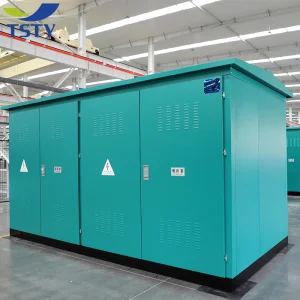
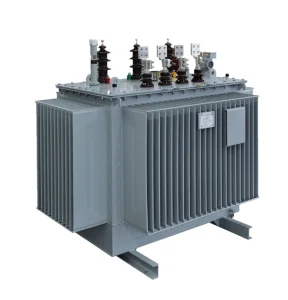
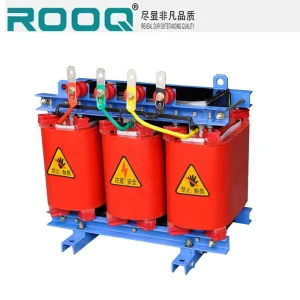
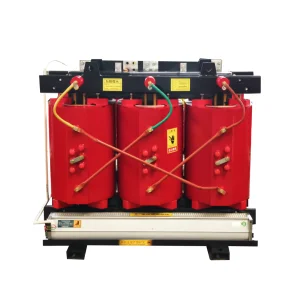
In modern industrial grids, isolation transformers serve as critical protection components. These devices use galvanic isolation to separate the input and output circuits, protecting sensitive industrial control units, automation systems, medical equipment, and telecommunications networks from common-mode electrical noise, voltage transients, and ground loops.
With the growth of smart manufacturing, electric vehicle charging, and renewable energy integration, the electrical environment is seeing increased high-frequency harmonics and voltage fluctuations. High-quality isolation transformers are essential to shield precision electronics from these disturbances. Chinese manufacturers have optimized supply chains to deliver rugged, high-efficiency systems that meet international safety, environmental, and performance standards.
The global demand for energy-efficient transformers has driven major innovations in core materials and winding techniques. Amorphous alloy cores and high-grade oriented silicon steels are now widely used to minimize core loss under continuous load. Industrial developers, utility networks, and EPC contractors look to established Chinese engineering firms for cost-effective, custom-engineered transformers built to withstand harsh environments.
Designed to handle high total harmonic distortion (THD) loads. Features K-factor designs to mitigate core saturation and winding overheating caused by non-linear electronic loads.
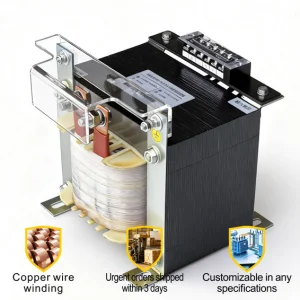
Complete physical and electrical separation of primary and secondary windings prevents direct current (DC) transmission and blocks high-frequency common-mode noise.
Integrated copper foil Faraday shields between windings attenuate capacitive coupling, routing high-frequency transient surges directly to the ground.
Industrial projects must balance thermal dissipation, environment safety, electrical efficiency, and footprint when choosing between dry-type cast resin and oil-immersed configurations.
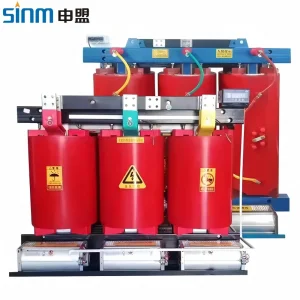
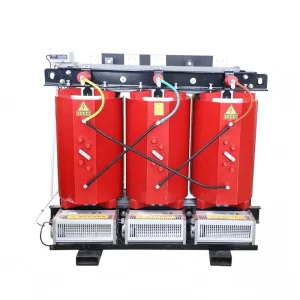
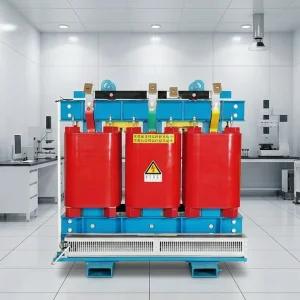
Dry-type transformers utilize vacuum cast epoxy resin insulation, making them self-extinguishing and highly resistant to moisture and environmental contaminants. They are the standard choice for indoor installations, hospitals, high-rise buildings, and underground substations where fire hazard mitigation is critical. By eliminating liquid coolants, they eliminate risk of oil leakage and simplify maintenance protocols.
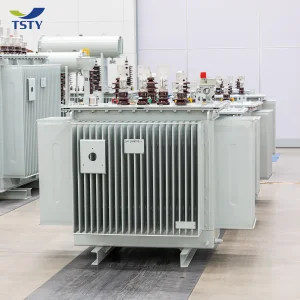
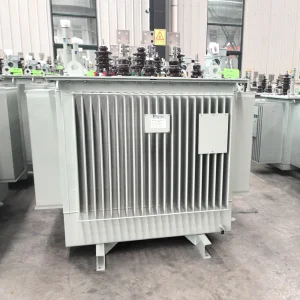
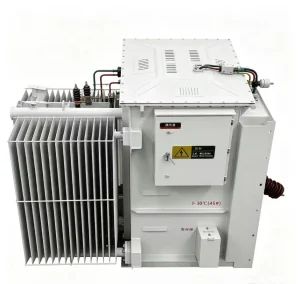
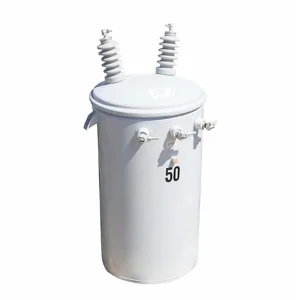
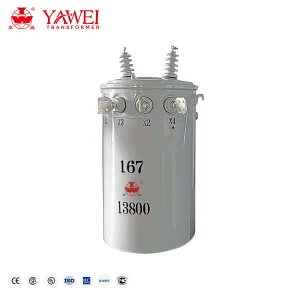
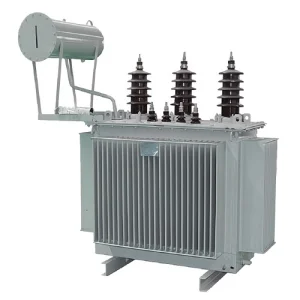
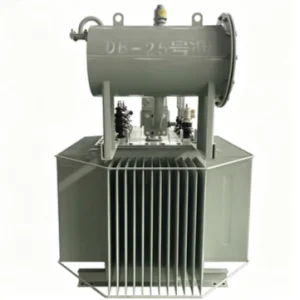
For high-voltage distribution networks and outdoor environments, oil-immersed designs remain the industry standard. Using refined mineral oil or synthetic bio-esters as the dielectric and cooling medium, these units offer superior heat dissipation and dielectric strength. Hermetically sealed corrugated tanks isolate the oil from ambient air, preventing oxidation, extending service life, and reducing maintenance requirements.
Note on Amorphous Alloy Integration (SCBH15/SBH15): By using amorphous alloy ribbon instead of standard CRGO steel cores, no-load core losses are reduced by up to 70–80%. This improvement significantly reduces operating costs in applications with variable load profiles, such as solar farms and public grids.
Henan Pirooz Power Co., Ltd. operates a modern facility specializing in customized solutions for power transformers and complete transmission and distribution equipment.
Our complete production system covers design, precision machining, assembly, and testing. Strict quality control procedures ensure all products meet international standards (IEC, UL, ANSI, IEEE) for performance, safety, and durability.
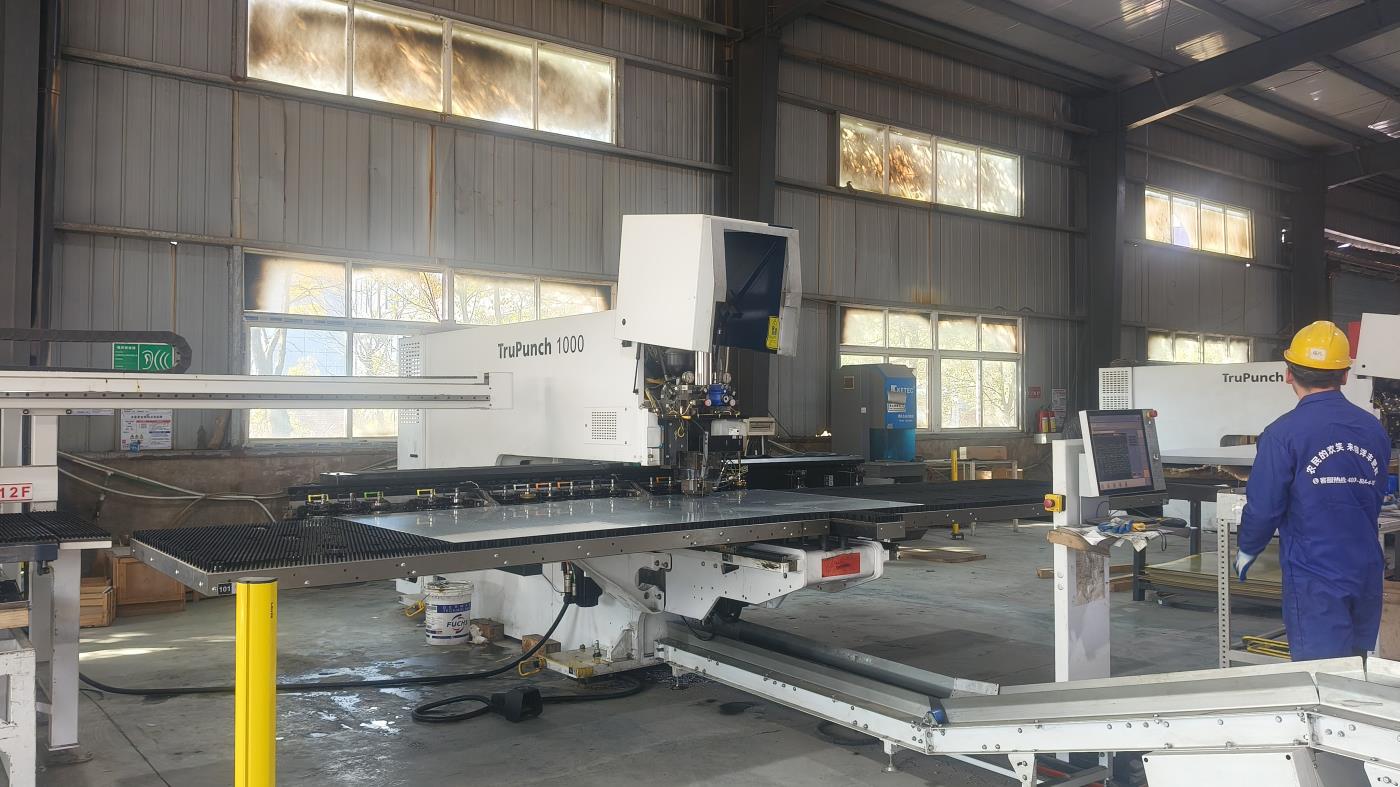
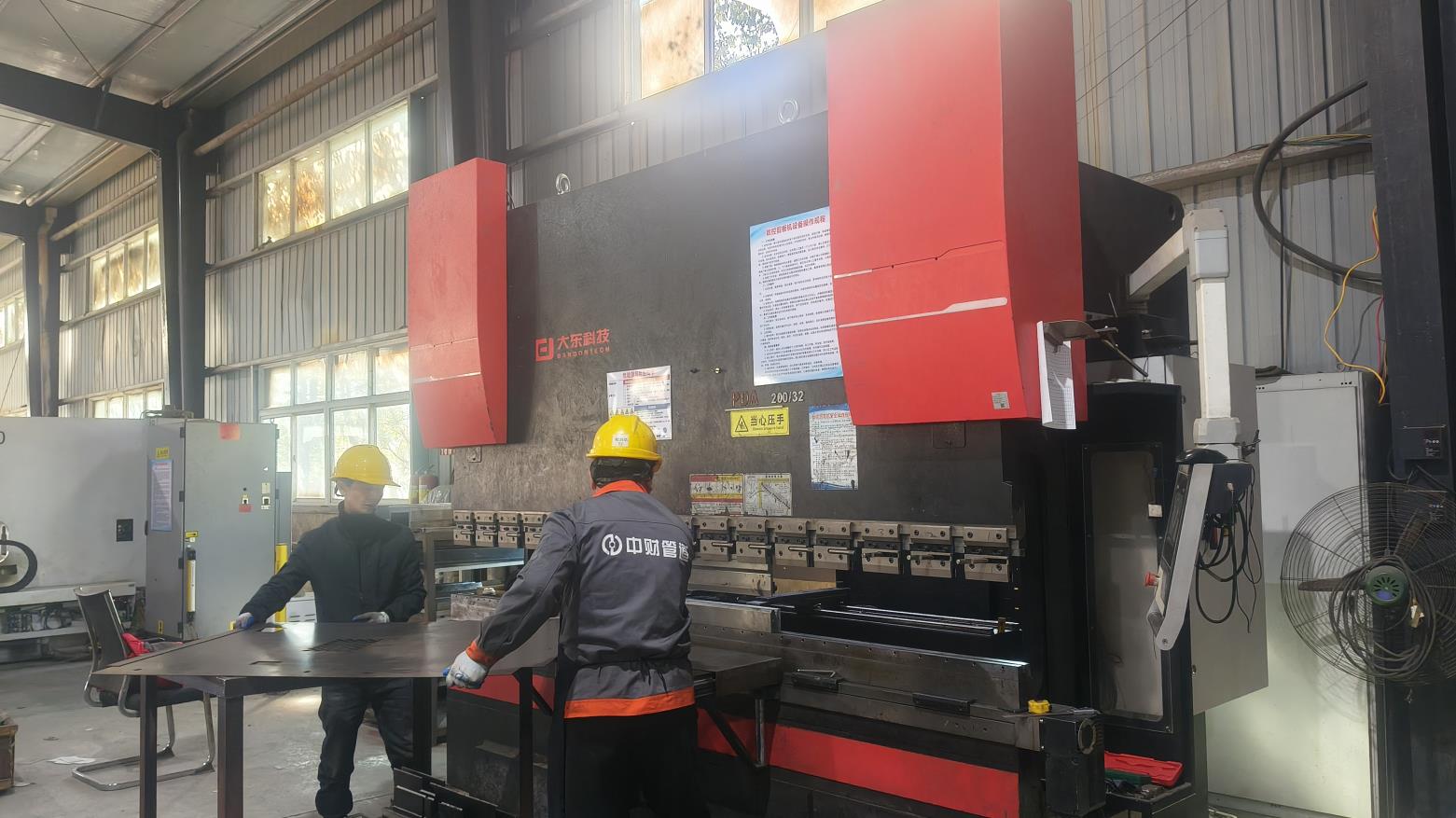
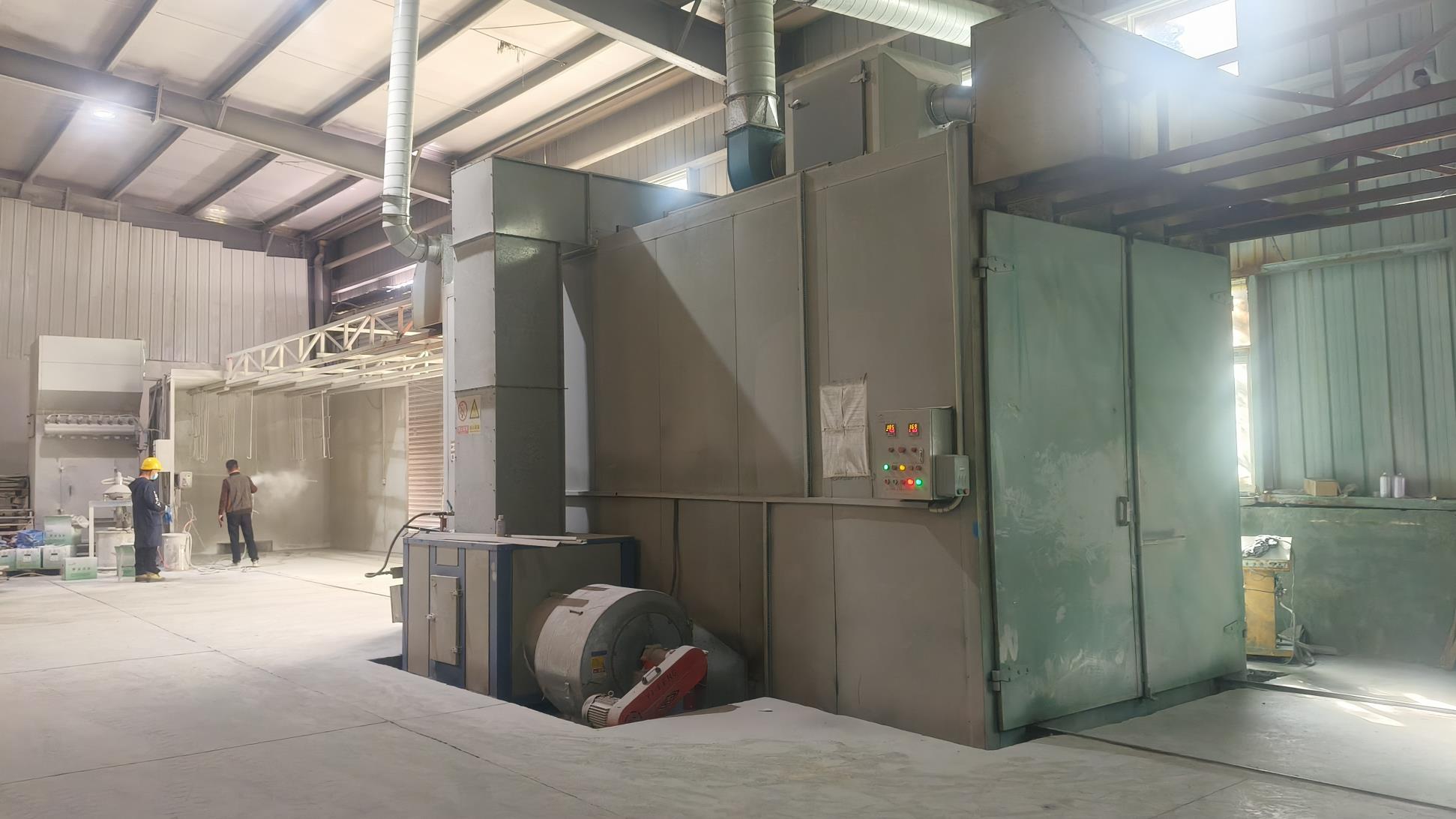
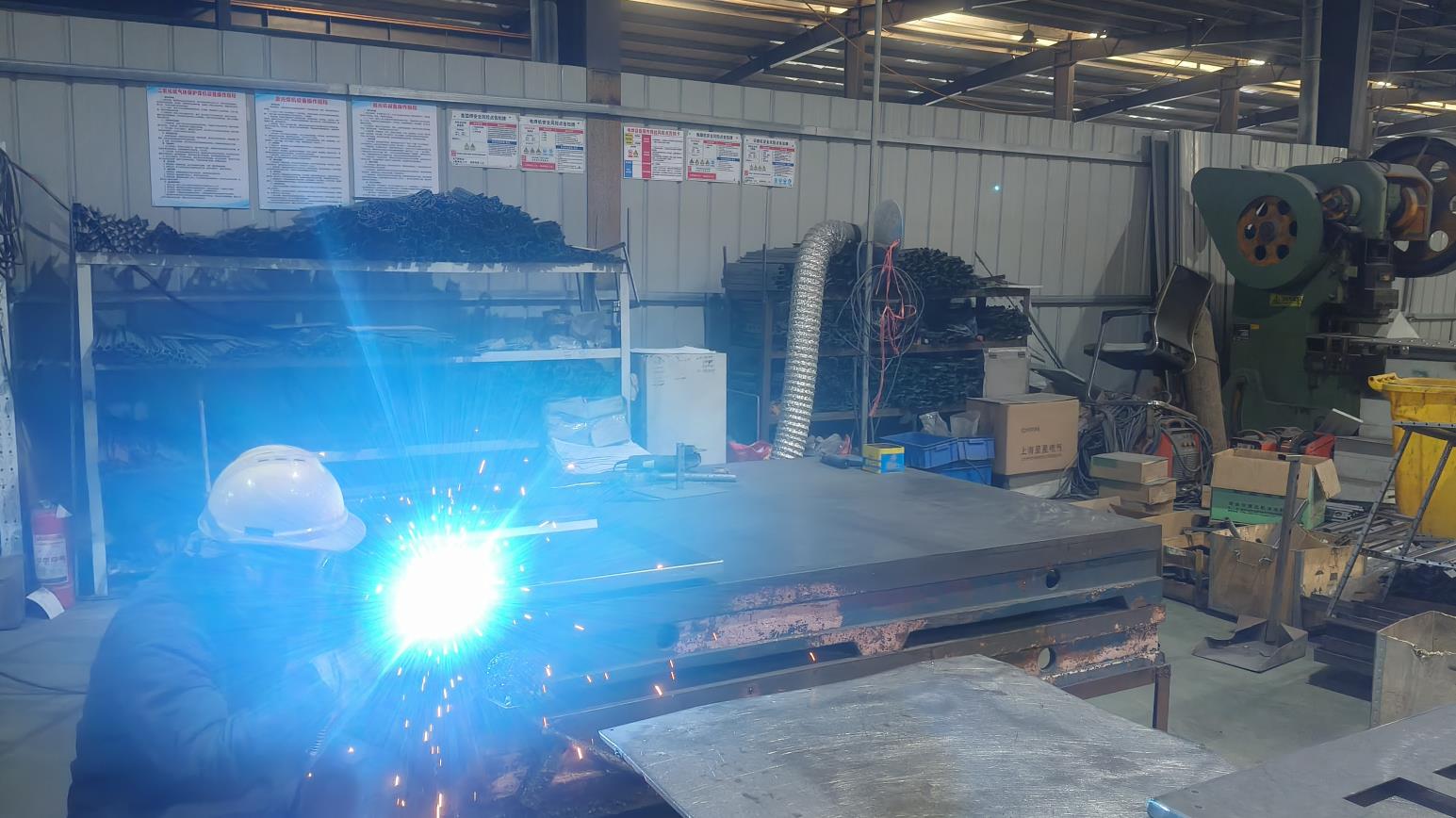
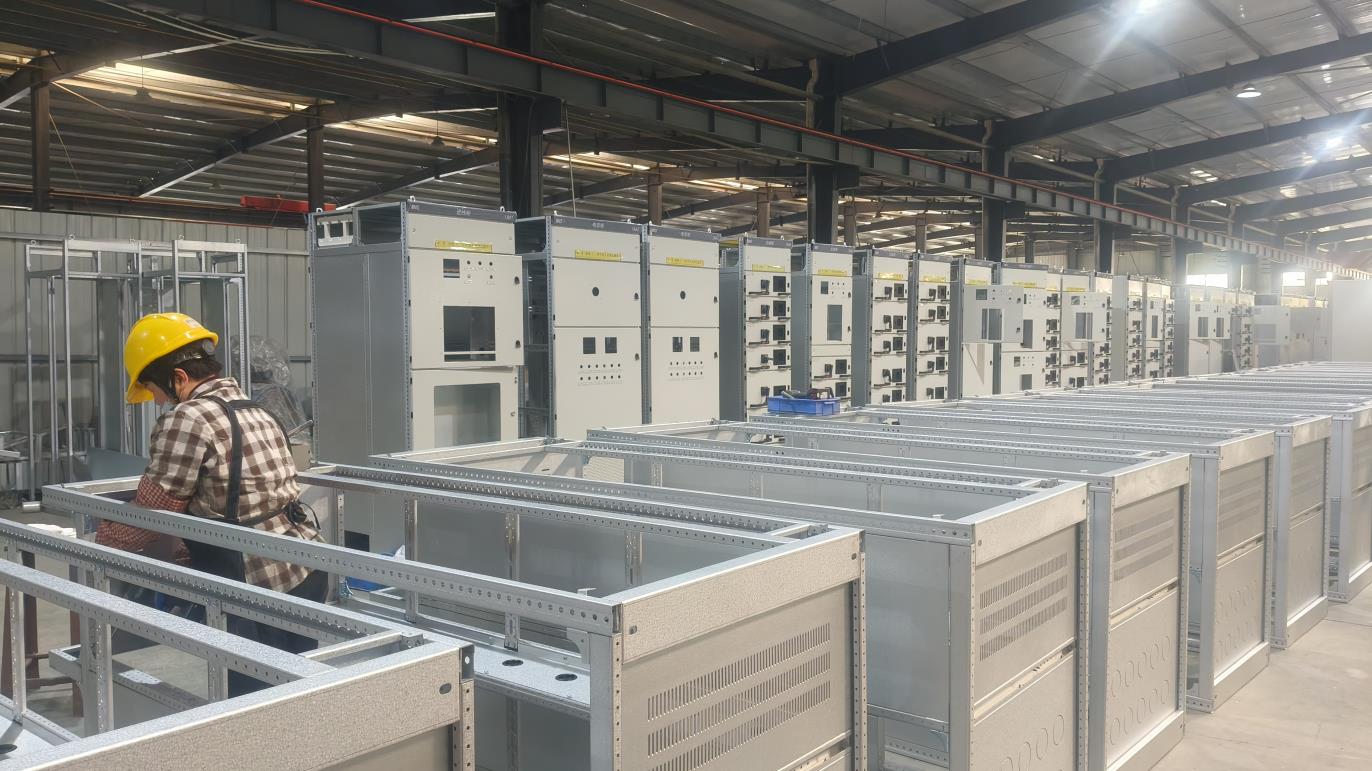
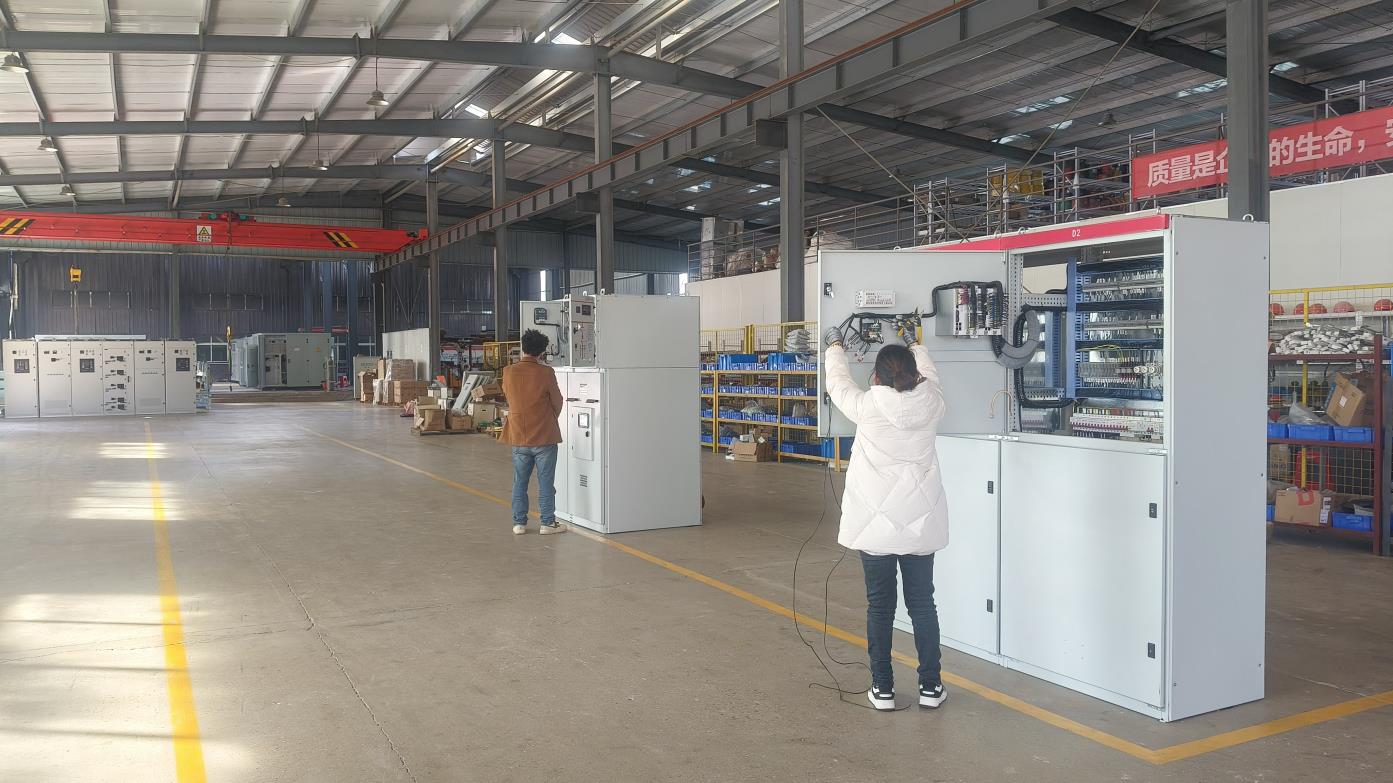
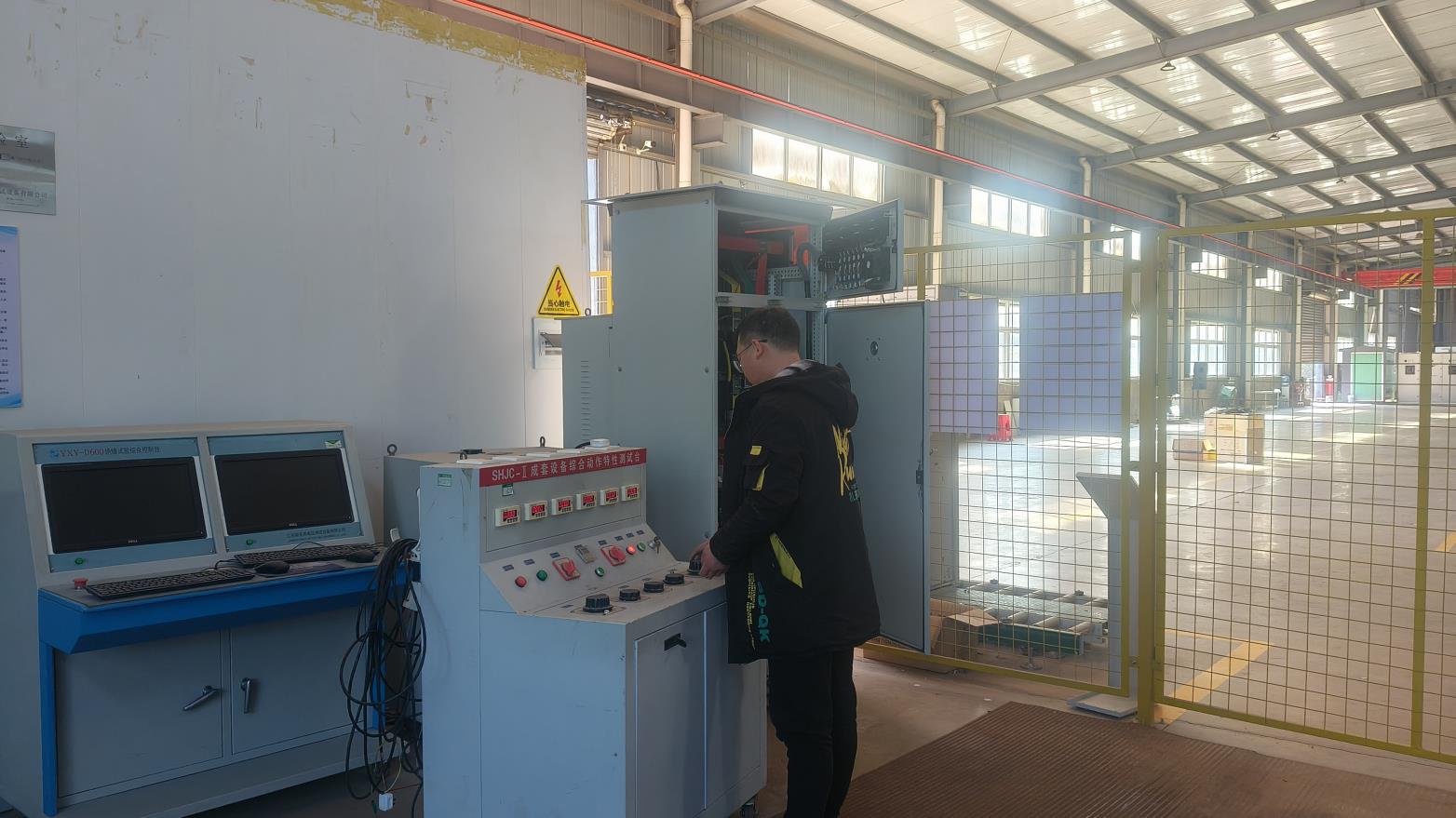
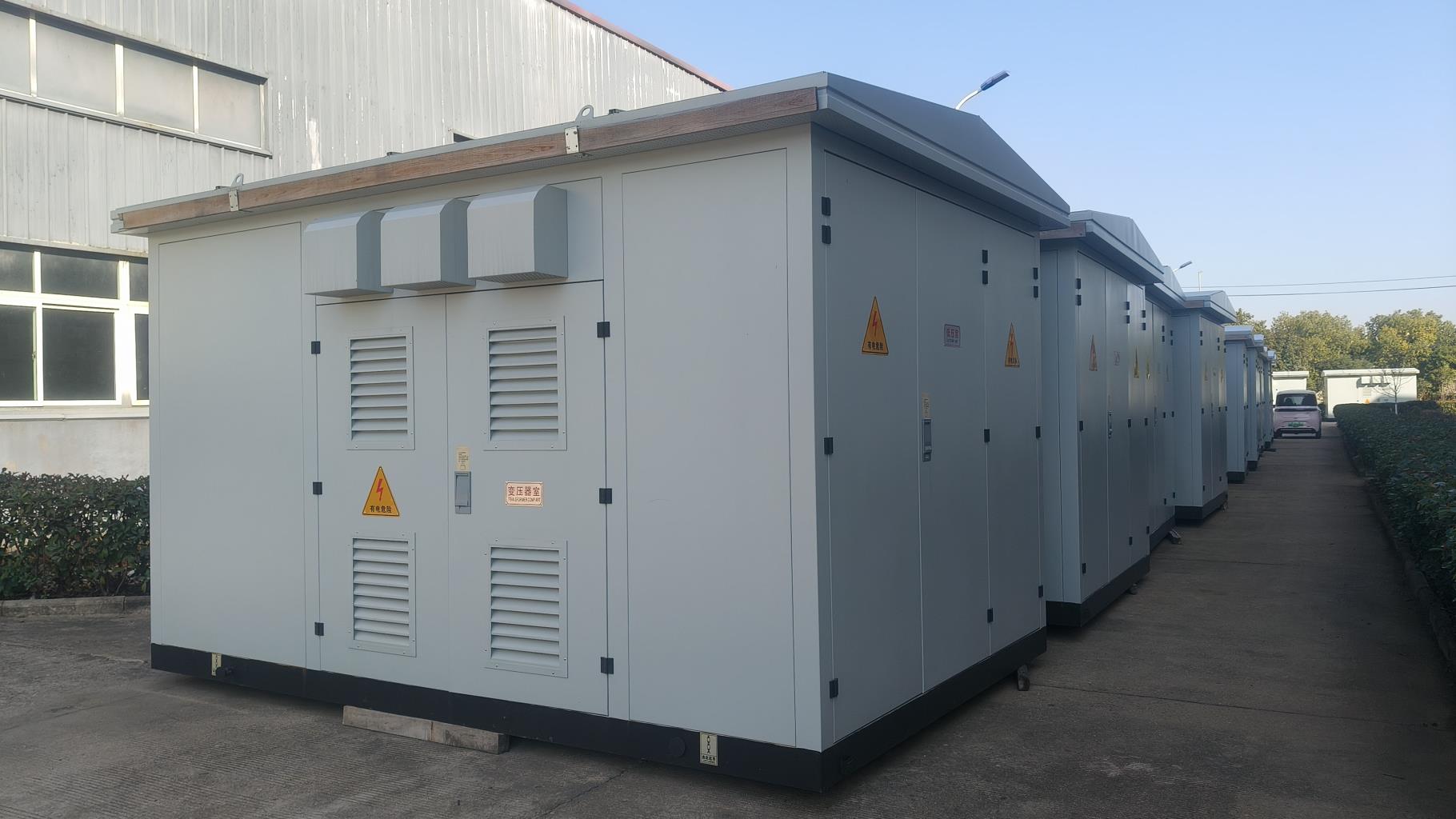
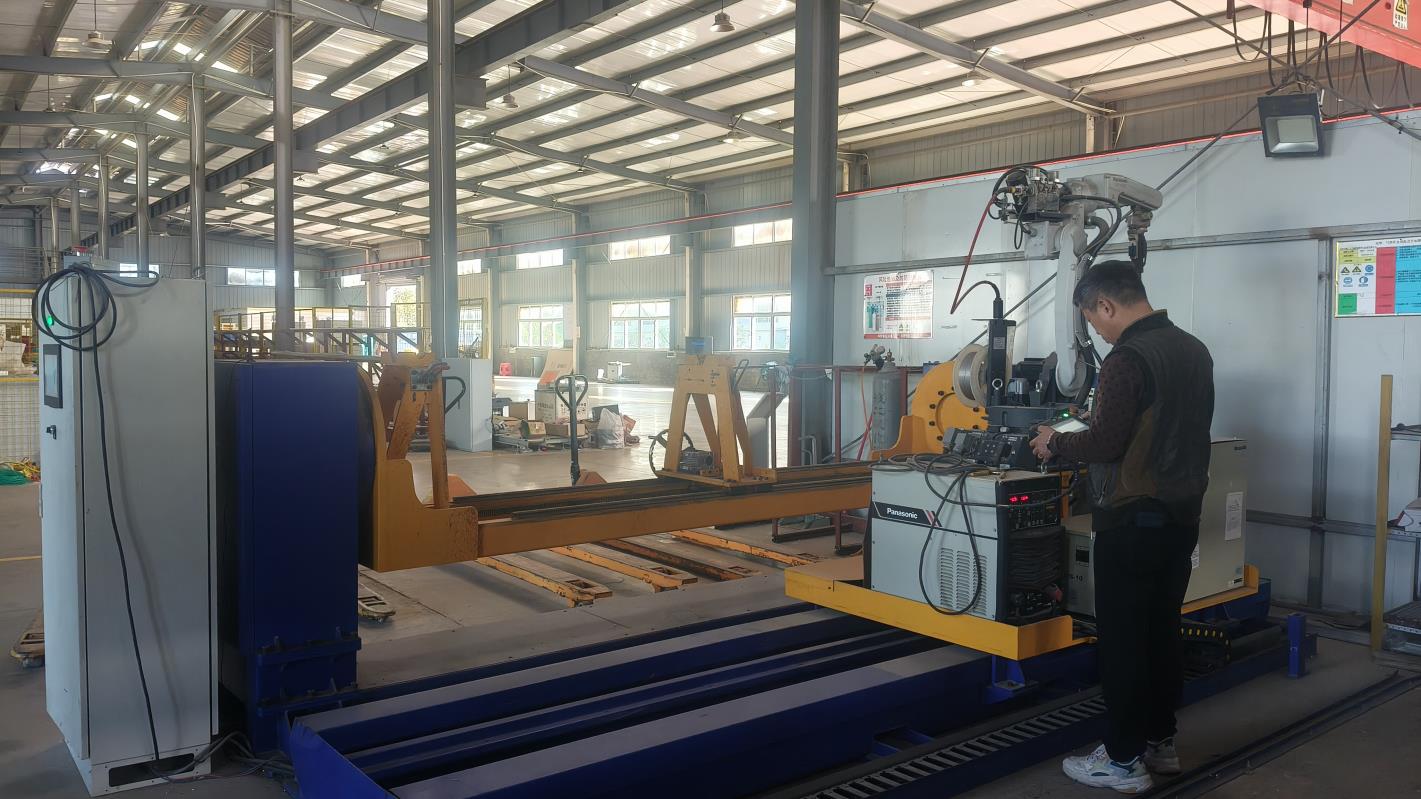
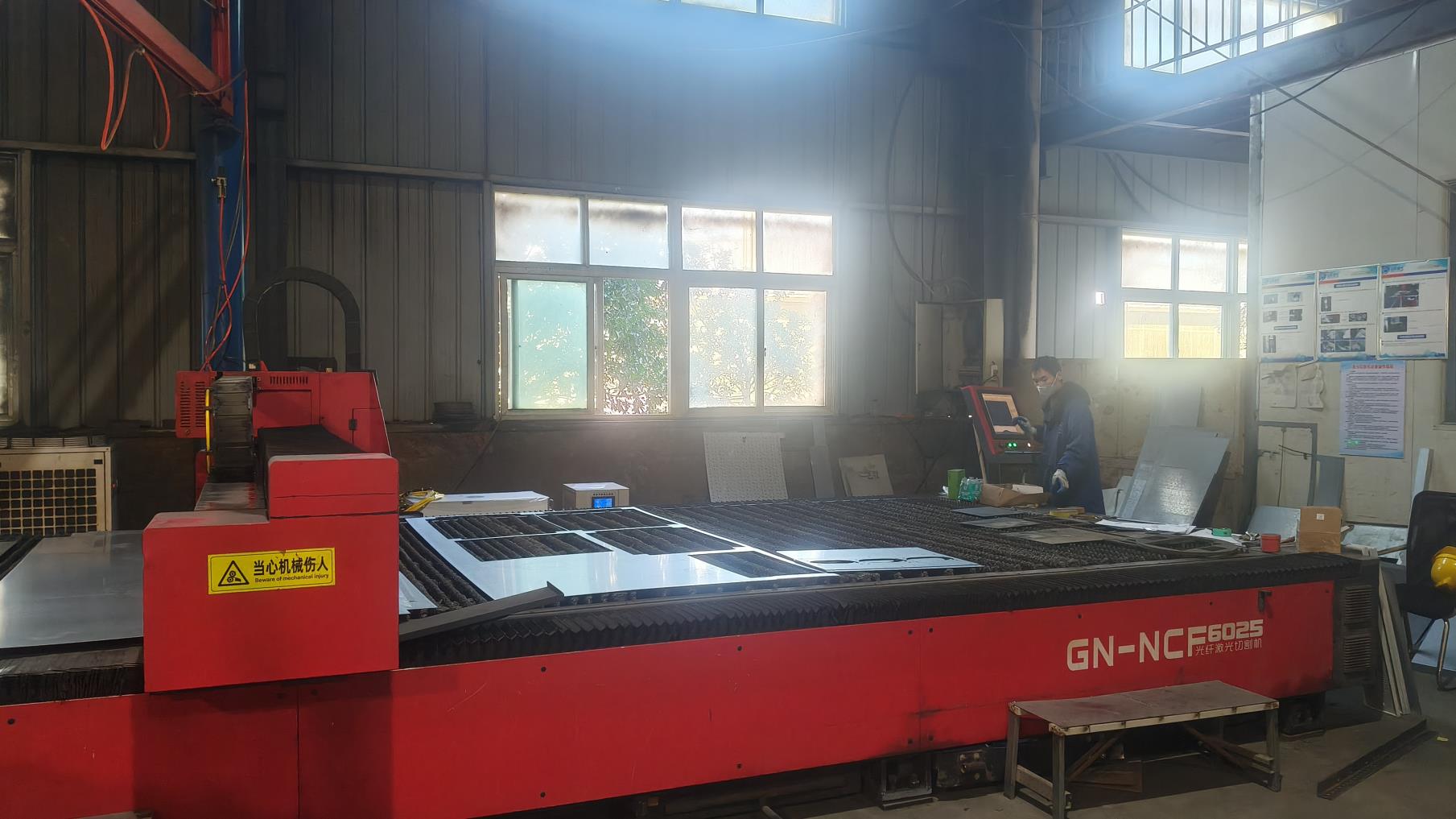
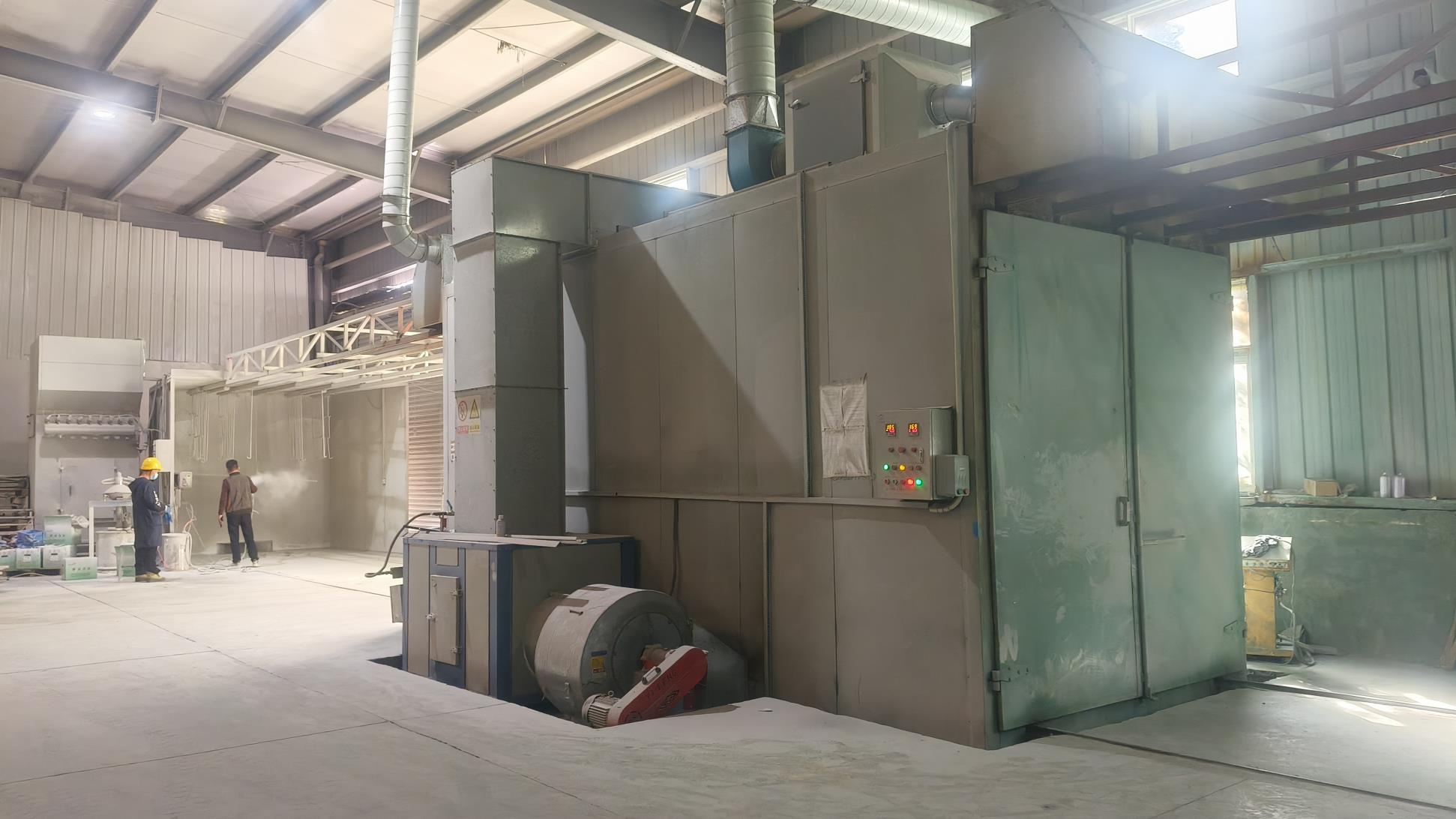
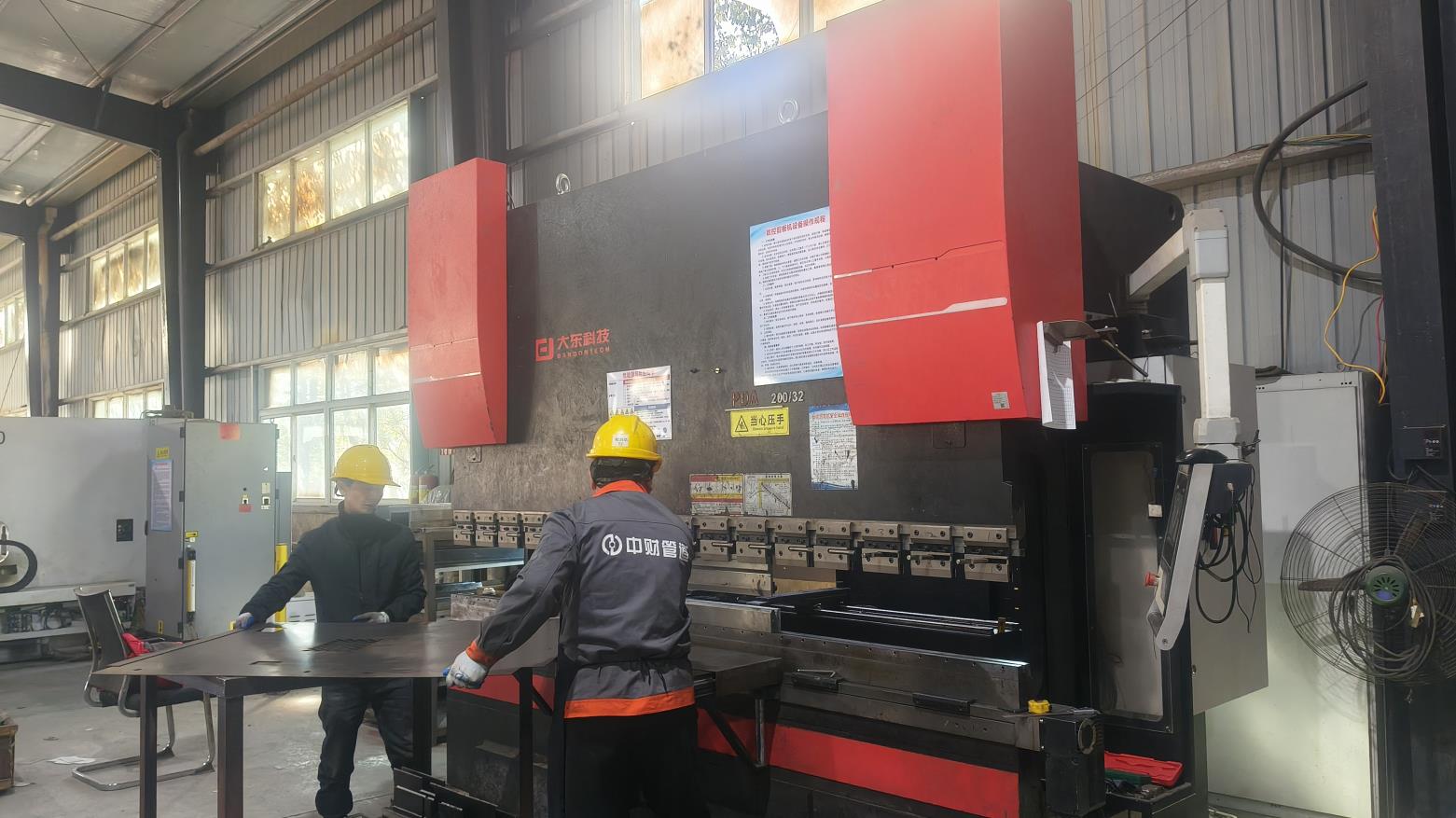
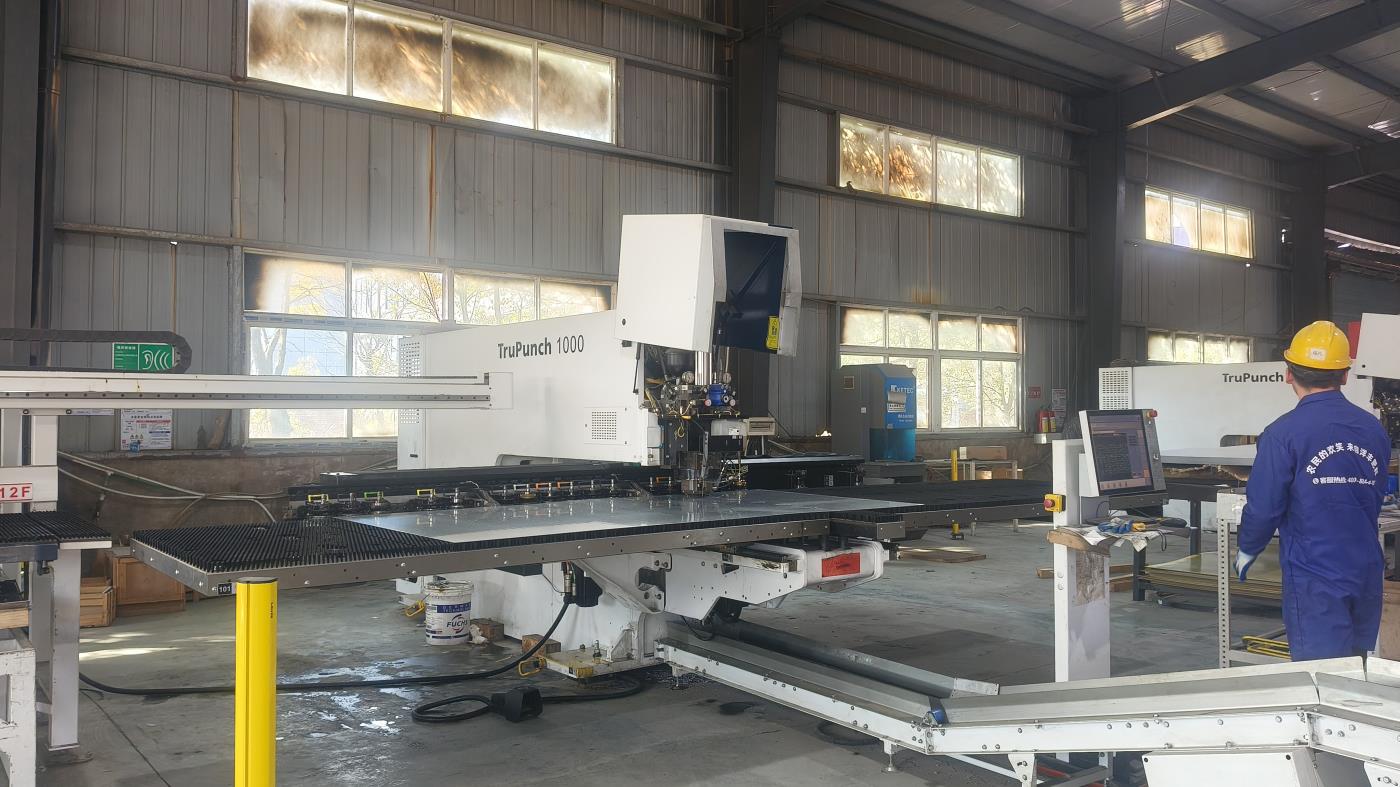
Henan Pirooz Power Co., Ltd. designs and manufactures products for demanding environments globally. These applications require specific electrical considerations to ensure long-term reliability:
Key technical considerations for electrical engineering procurement teams.
Autotransformers share a single continuous copper winding that functions as both the primary and secondary, providing voltage stepping without electrical separation. This design does not block common-mode noise or prevent ground fault transmission. Isolation transformers have separate primary and secondary windings linked only by magnetic flux. This separation prevents ground loops and electrical shock hazards.
The K-Factor is a rating system that defines a transformer's ability to handle non-linear electronic loads, which generate harmonic currents. Non-linear loads produce eddy current losses and skin effects that increase operating temperatures. A transformer with a K-factor design (such as K-4, K-13, or K-20) features neutral conductors sized at twice the phase current rating and utilizes specialized transposition of windings to manage thermal stress without de-rating capacity.
Amorphous alloy core transformers (e.g., SCBH15 series) use iron ribbons with a non-crystalline atomic structure. This design reduces magnetizing resistance and core hysteresis, lowering no-load losses by up to 70–80% compared to traditional cold-rolled grain-oriented (CRGO) silicon steel. This efficiency helps lower operational costs in distribution networks with variable loads.
Transformers exported to the EU and US must undergo tests aligned with IEEE C57 or IEC 60076 standards. Factory routine tests include winding resistance measurements, voltage ratio verification, phase displacement checks, no-load loss and current measurements, and short-circuit impedance tests. Type and special tests, such as partial discharge tests, lightning impulse tests, and temperature rise tests, are also conducted to verify performance under surge conditions.
Explore our range of industrial and distribution equipment built for utility grids and specialized operations.
 Pirooz Power