Pirooz Power
1 / 4
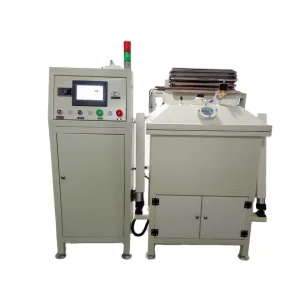
Extend the life and operation of your motor -- Choose a motor that utilizes vacuum pressure impregnation to protect and maintain void-free electrical windings.
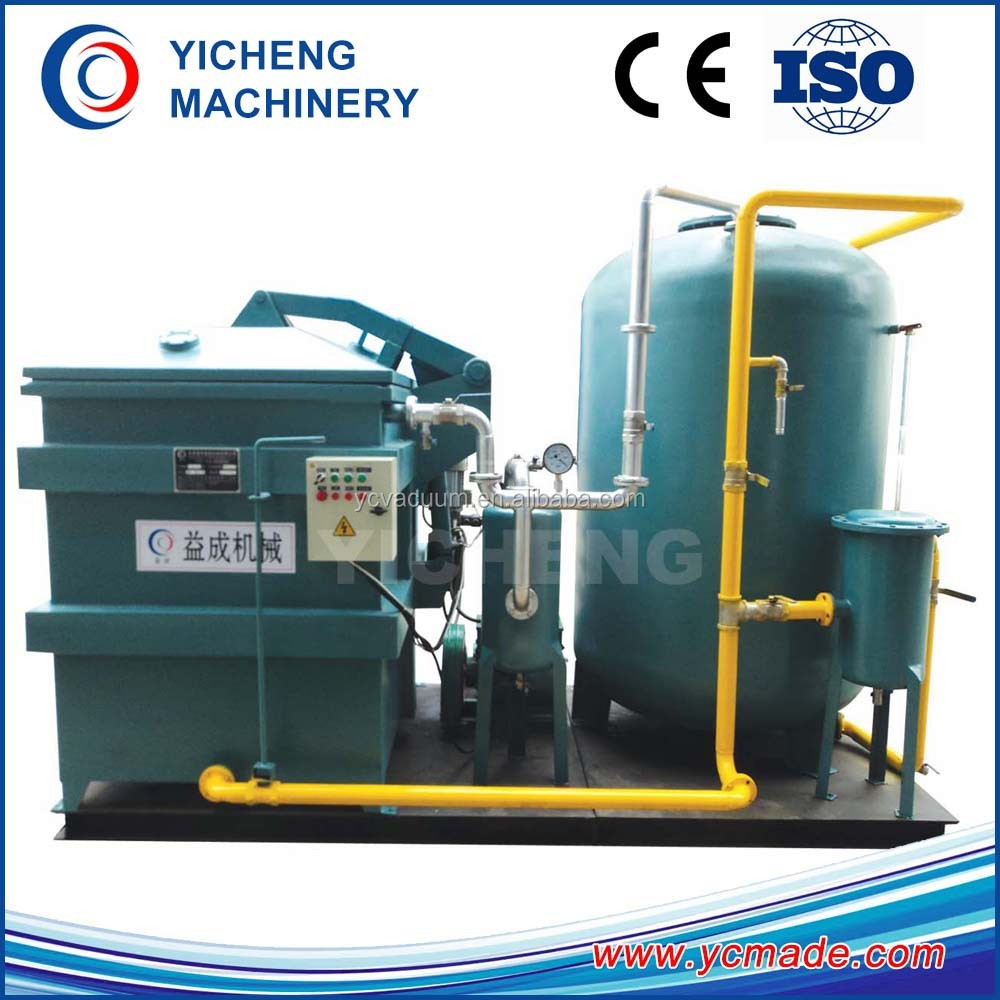
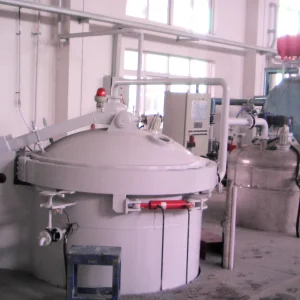
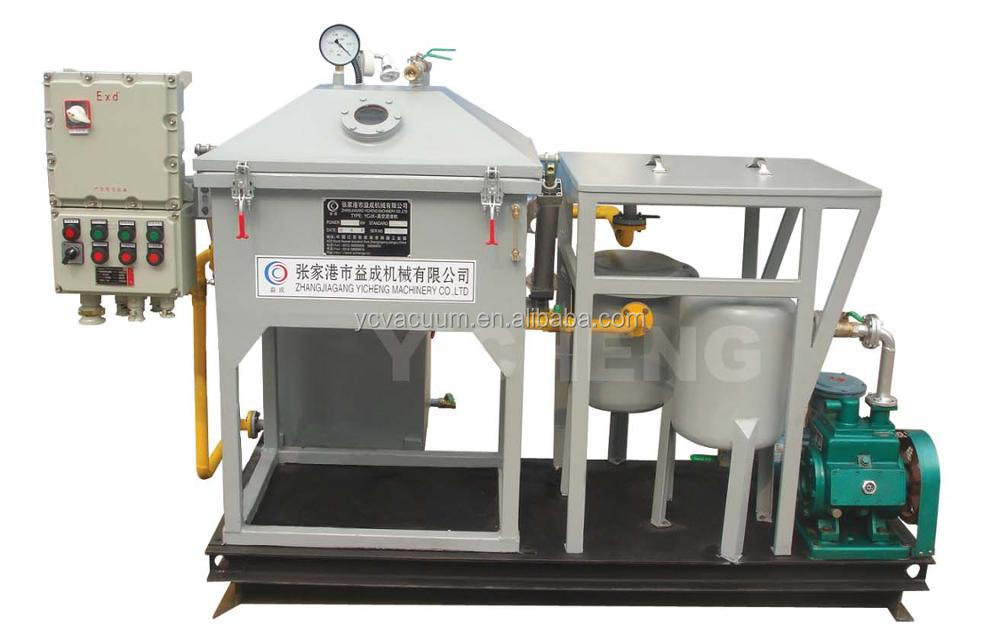
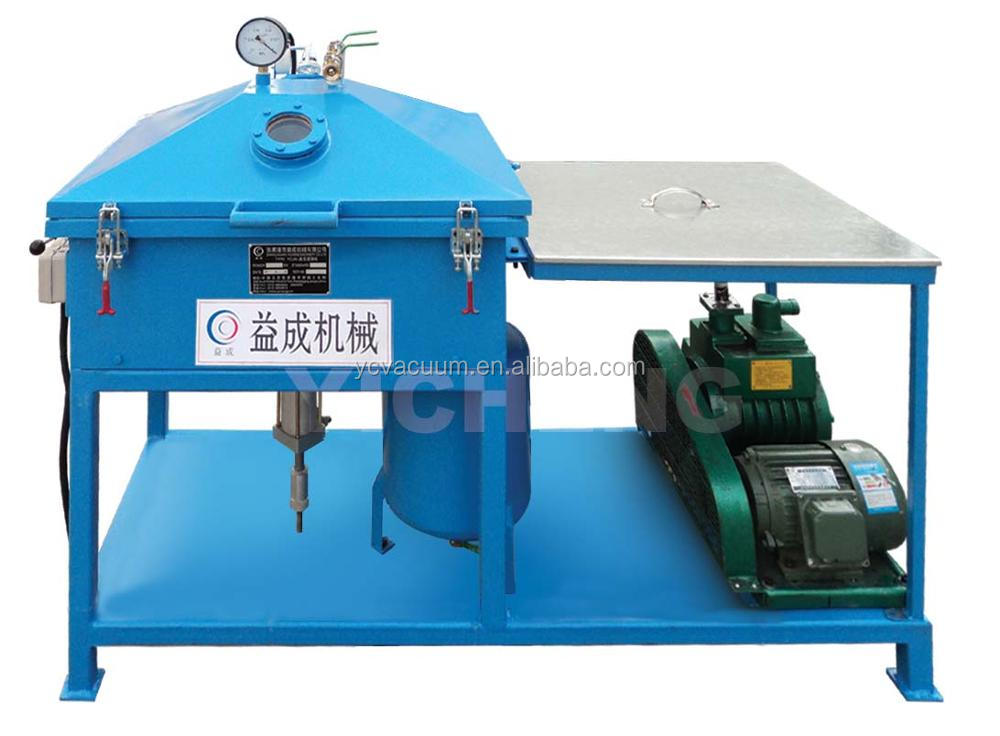
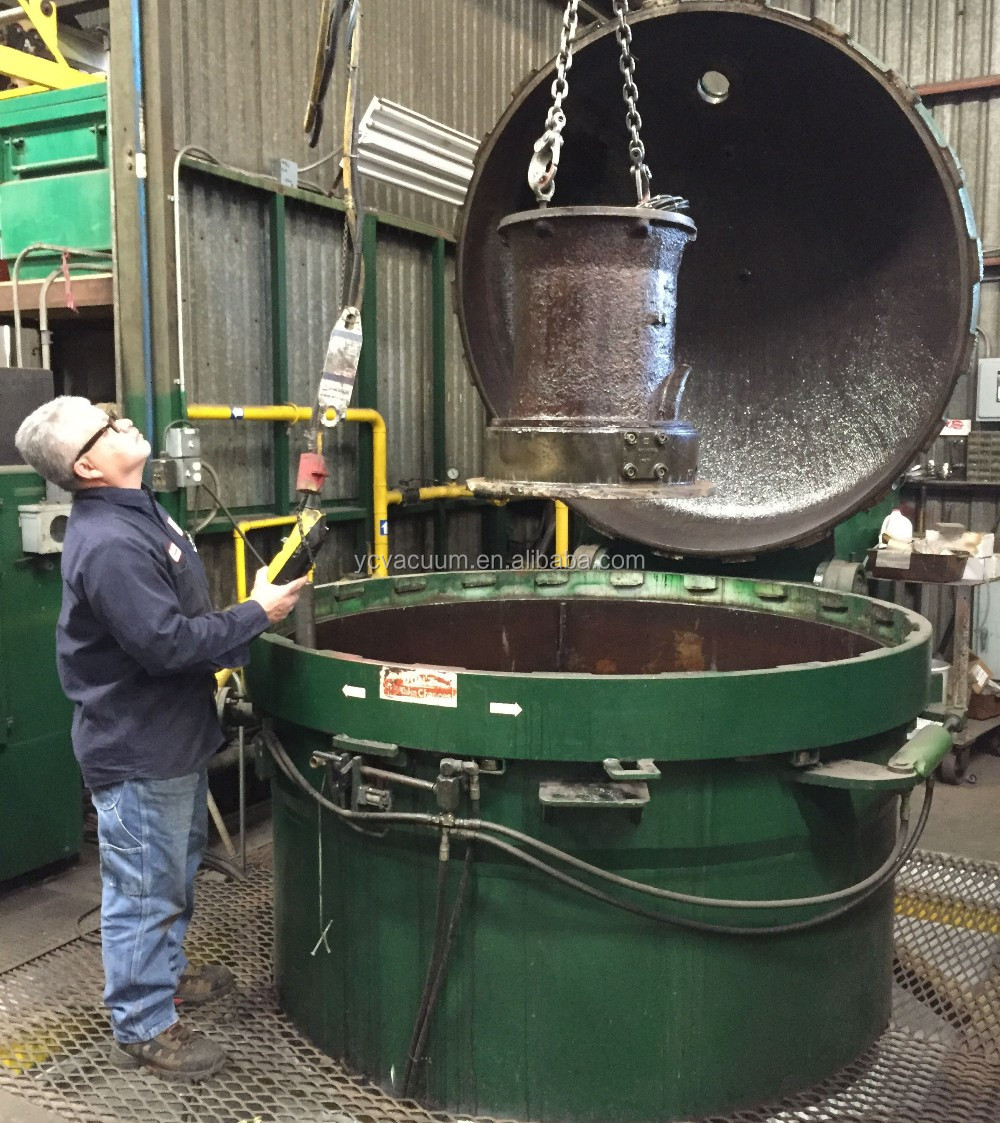
Vacuum Pressure Impregnation (VPI) is a process that uses vacuum and pressure to seal porous materials with varnish or resin. The process is used primarily for high-voltage motors and generators to fill gaps in materials to create a void free insulation in various devices.
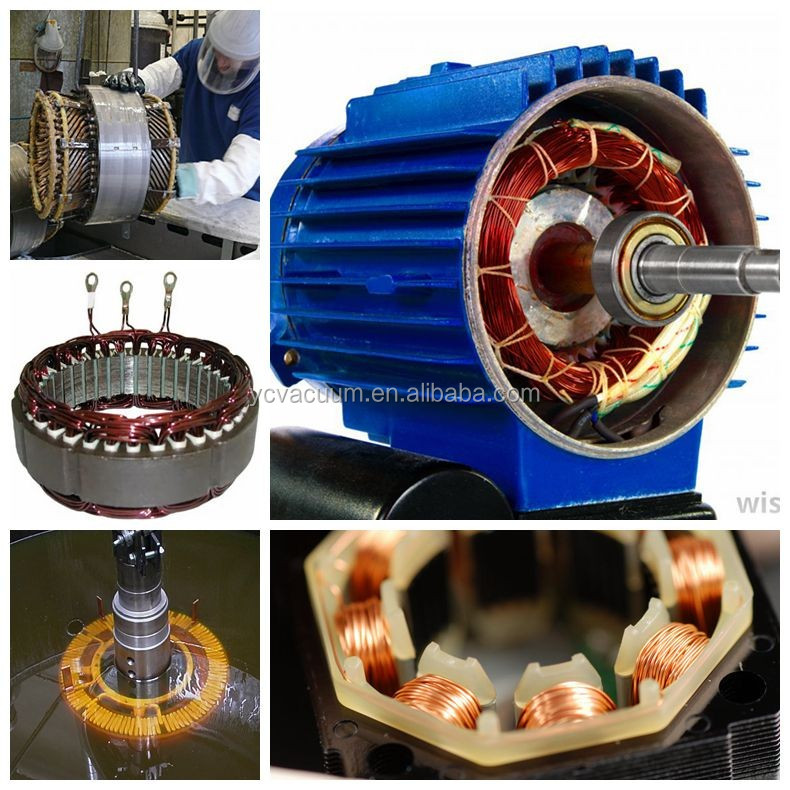
Industrial electromechanical equipment is designed for durability to provide reliable function and increased longevity, but age, temperature, and environmental factors can degrade porous metals over time. The process of impregnation seals porous materials with varnish or resin, improving the function and longevity of equipment.
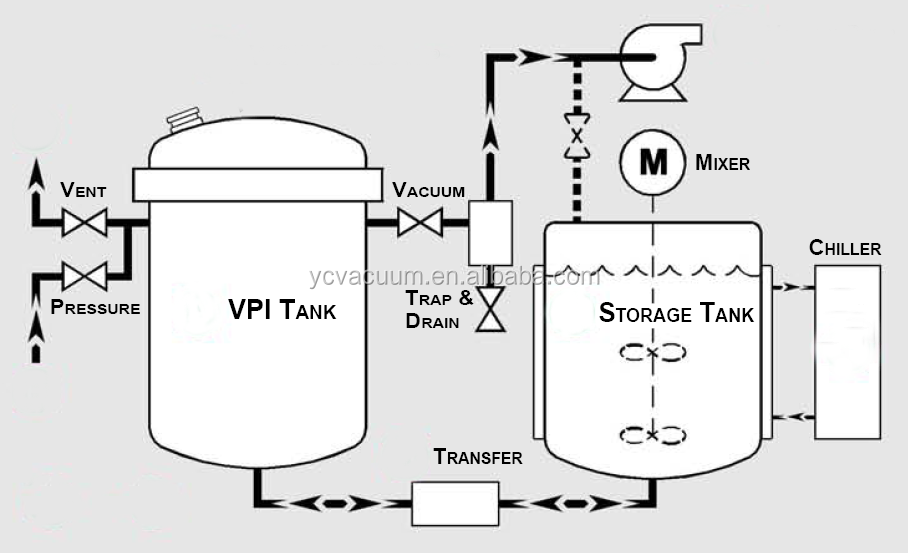
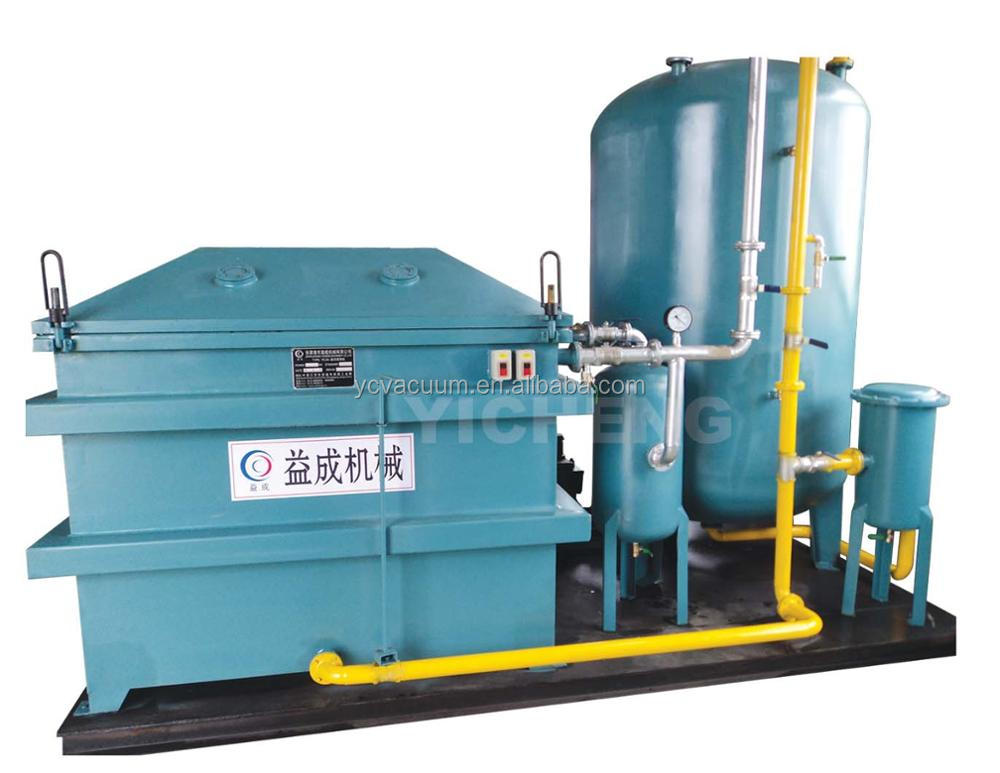
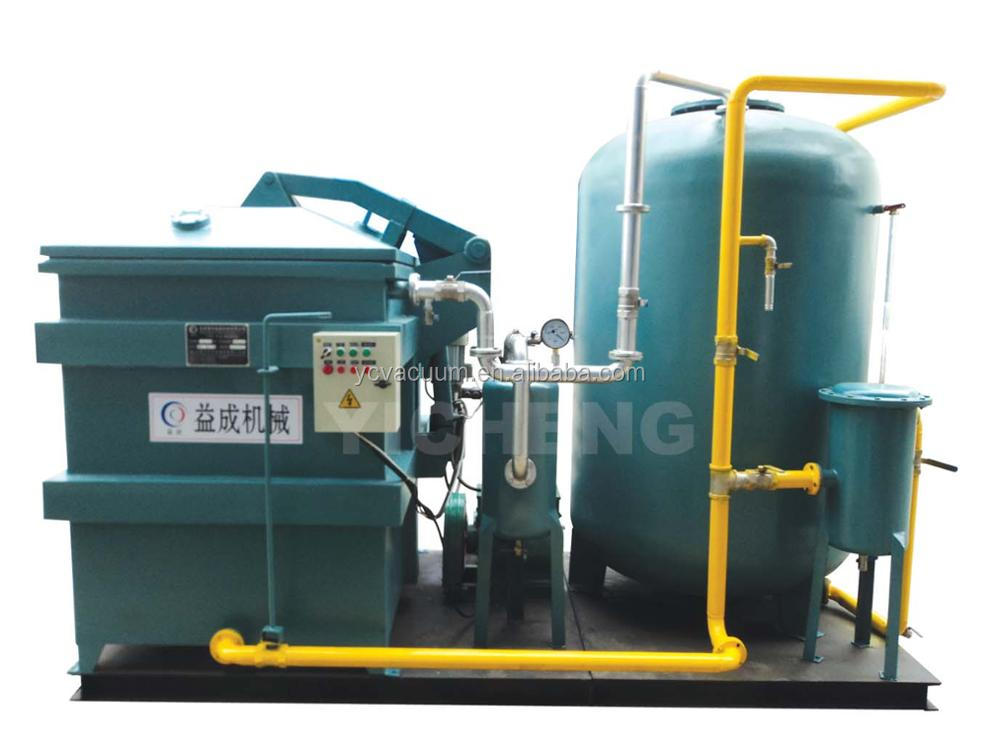
| Model | YCH-900 | YCH-1000 | YCH-1200 | YCH-1400 | YCH-1600 | YCH-1800 |
|---|---|---|---|---|---|---|
| VPI Tank size (mm) | Φ900*900 | Φ1000*1000 | Φ1200*1200 | Φ1400*1400 | Φ1600*1600 | Φ1800*1800 |
| Heating Power (Kw) | 12 | 15 | 21 | 27 | 33 | 40.5 |
| Vacuum Degree (Mpa) | -0.098 | |||||
| Pressure (Mpa) | Custom design | |||||
| Fan Power (Kw) | 0.75 | 1.5 | 3 | |||
| Vacuum pump power (Kw) | 1.5 | 3 | 5.5 | 7.5 | ||
| Dimensions (L*W) mm | 3600*1800 | 3700*1800 | 4200*2200 | 4500*2200 | 16m² | 18m² |
| Weight (T) | 2 | 2.5 | 2.8 | 3.2 | 4.5 | 6 |
Note: Above is the standard type of our VPI equipment. We can custom design to customers’ requirements.
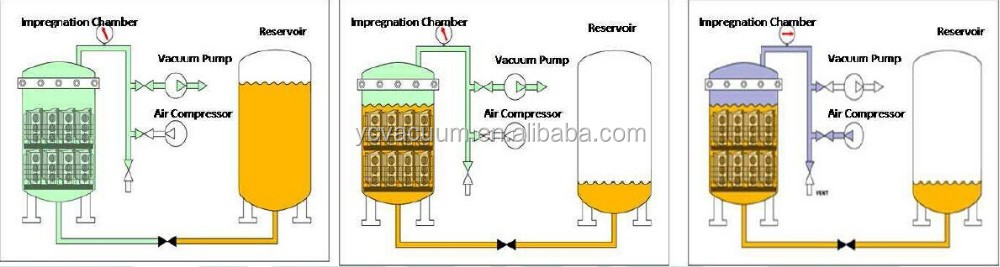
We specialize in vacuum pressure impregnation equipment manufacturing, which is more effective than traditional dip-and-bake methods. The repair process comprises several critical steps:
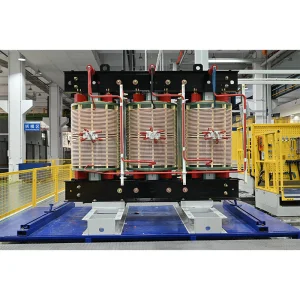
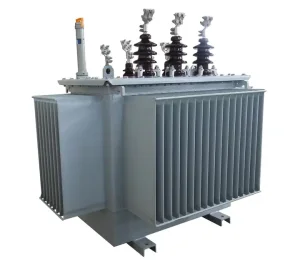
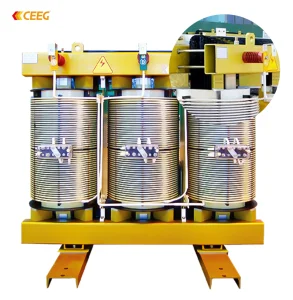
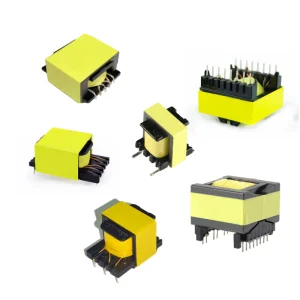
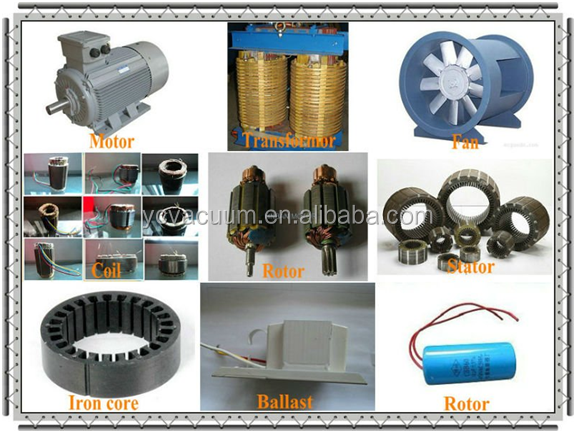
VPI systems are used across the electrical industry for processing coil windings, transformer components, power cables, and more. It is the preferred method for aerospace, automotive, food processing, and oil and gas industries.
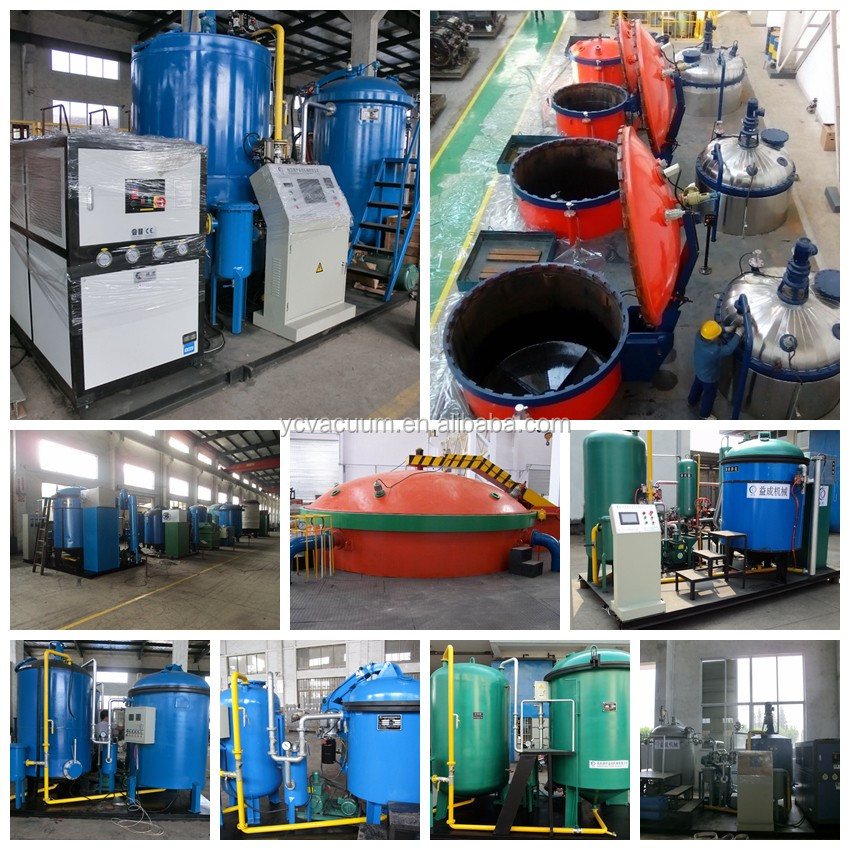
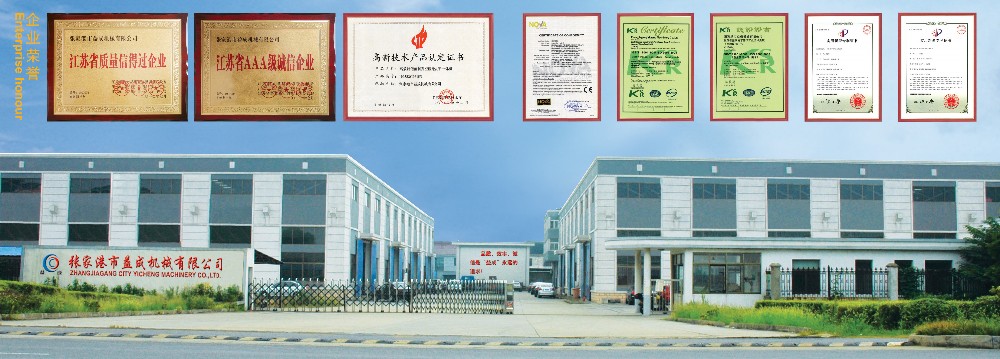
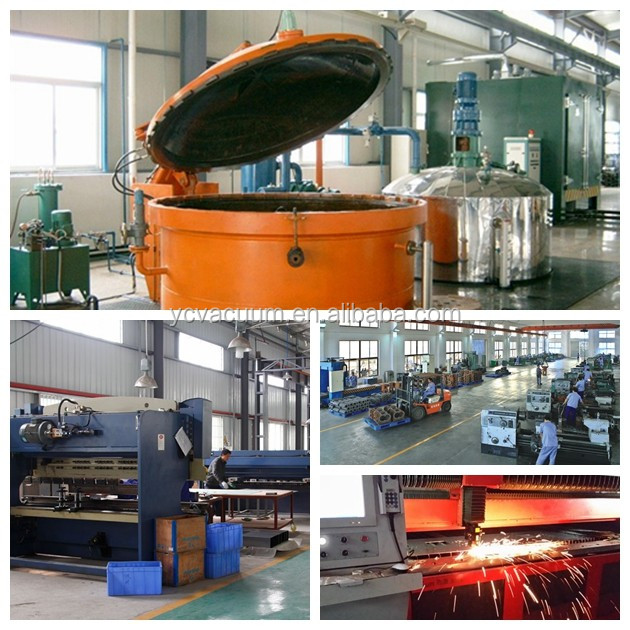
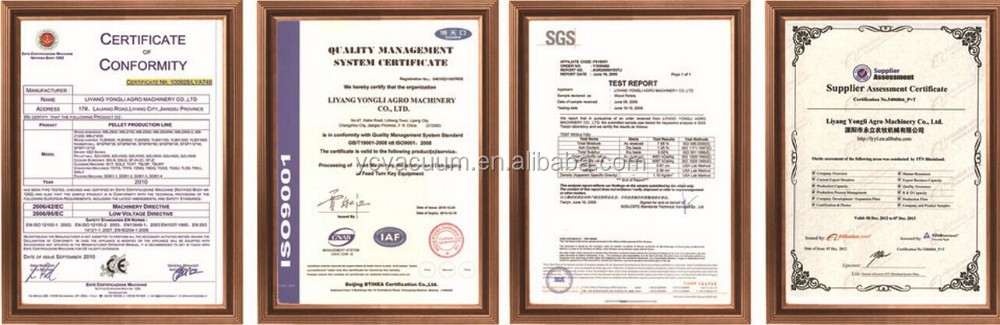
We are a leading supplier of Vacuum (Pressure) Impregnation and Drying equipment, with more than 10 years of experience in this field. We have successfully built over 350 turn-key projects all over the world, making us one of the most powerful manufacturers for vacuum impregnation machinery.
Our machines have been sold to over 25 countries, including Russia, USA, Saudi Arabia, Egypt, Malaysia, Brazil, Guatemala, Vietnam, Kazakhstan, Uzbekistan, and Chile. We sincerely hope to establish trustworthy and long-term relationships with clients worldwide.


VPI ensures a much deeper resin penetration and creates a void-free insulation layer. This significantly improves heat transfer, mechanical strength, and protection against environmental contaminants compared to traditional methods.
Yes, while we have standard models (from 900mm to 1800mm diameter), we specialize in custom-designed systems to meet the specific dimensions and technical requirements of our clients' workpieces.
VPI is widely used in the electrical industry for motors, transformers, and generators. It is also a preferred process in the aerospace, automotive, oil and gas, and food processing industries for ensuring pressure-tight components.
By eliminating air pockets (voids) in the windings and sealing them with high-quality resin, VPI protects the motor from moisture, dirt, and corrosive chemicals while reducing vibration and improving thermal dissipation.
A standard cycle includes pre-heating, dry vacuuming, resin filling, wet vacuuming, applying pressure for penetration, draining excess resin, and final curing in an oven.
With experience in over 25 countries and 350+ completed projects, we provide robust machinery and technical support to global clients across various regions including North America, Middle East, and Asia.