Premium energy-saving transformers and specialized vacuum processing equipment engineered to strict global standards.
In modern high-voltage power transmission networks, power transformers function as the primary nodes that control voltage scaling and efficiency optimization. Global utility providers, heavy industrial plants, and infrastructure contractors rely heavily on a rigorous engineering process called "Transformer Analysis." This analysis evaluates magnetic core material performance, winding configurations, and dielectric integrity to minimize power grid losses and prevent catastrophic failures.
When engineering high-capacity distribution grids, designers analyze core components utilizing electromagnetic simulation tools. Selecting the appropriate transformer requires evaluating key electrical parameters, including core loss metrics (no-load losses), copper winding losses (load losses), heat distribution profiles, and short-circuit withstand ratings. In this whitepaper, we dissect the manufacturing methodologies, materials, and international standards that position leading exporters at the forefront of modern power infrastructure.
The selection of the magnetic core material determines the transformer's fundamental operating efficiency. Traditionally, manufacturers have utilized cold-rolled grain-oriented (CRGO) silicon steel sheets. These sheets are chemically processed to align magnetic domains, minimizing hysteresis and eddy current losses. However, the advancement of amorphous alloy technology has introduced a paradigm shift in transformer design.
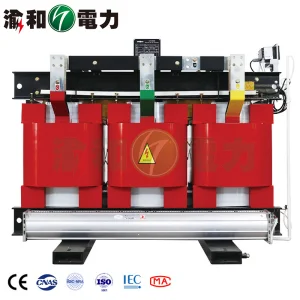
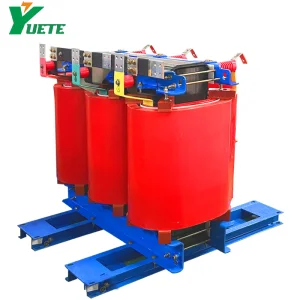
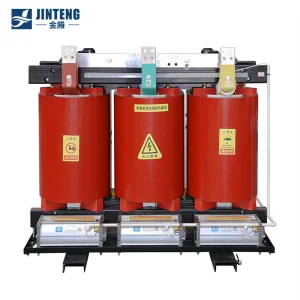
Utilizing high-grade epoxy resin under vacuum casting (VPI), dry-type units provide outstanding fire safety, high moisture resistance, and low environmental impact. They are widely used in urban indoor substations, hospitals, high-rise residential properties, and underground transit routes.
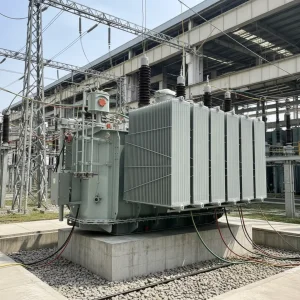
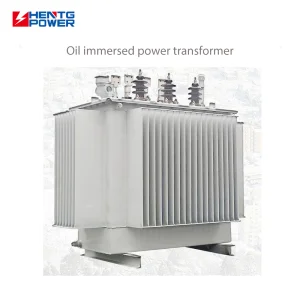
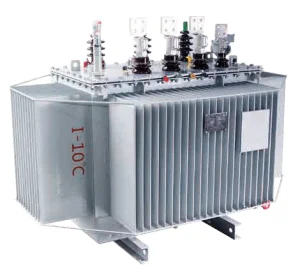
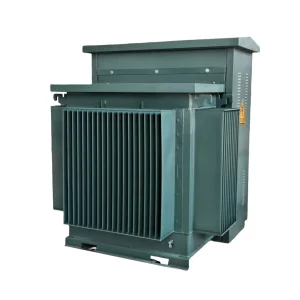
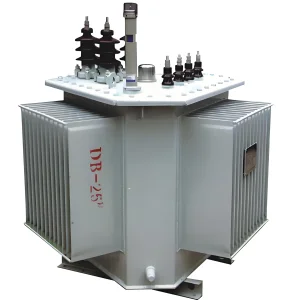
Featuring corrugated or radiator steel tanks, oil-immersed transformers provide optimal heat dissipation, robust overload capacity, and a long service life. Using high-quality mineral or biodegradable ester oil ensures reliable insulation and structural longevity.
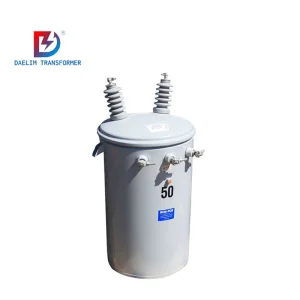
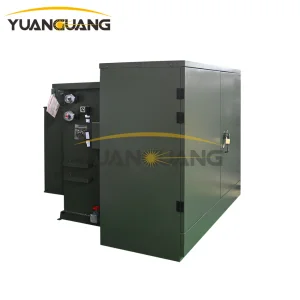
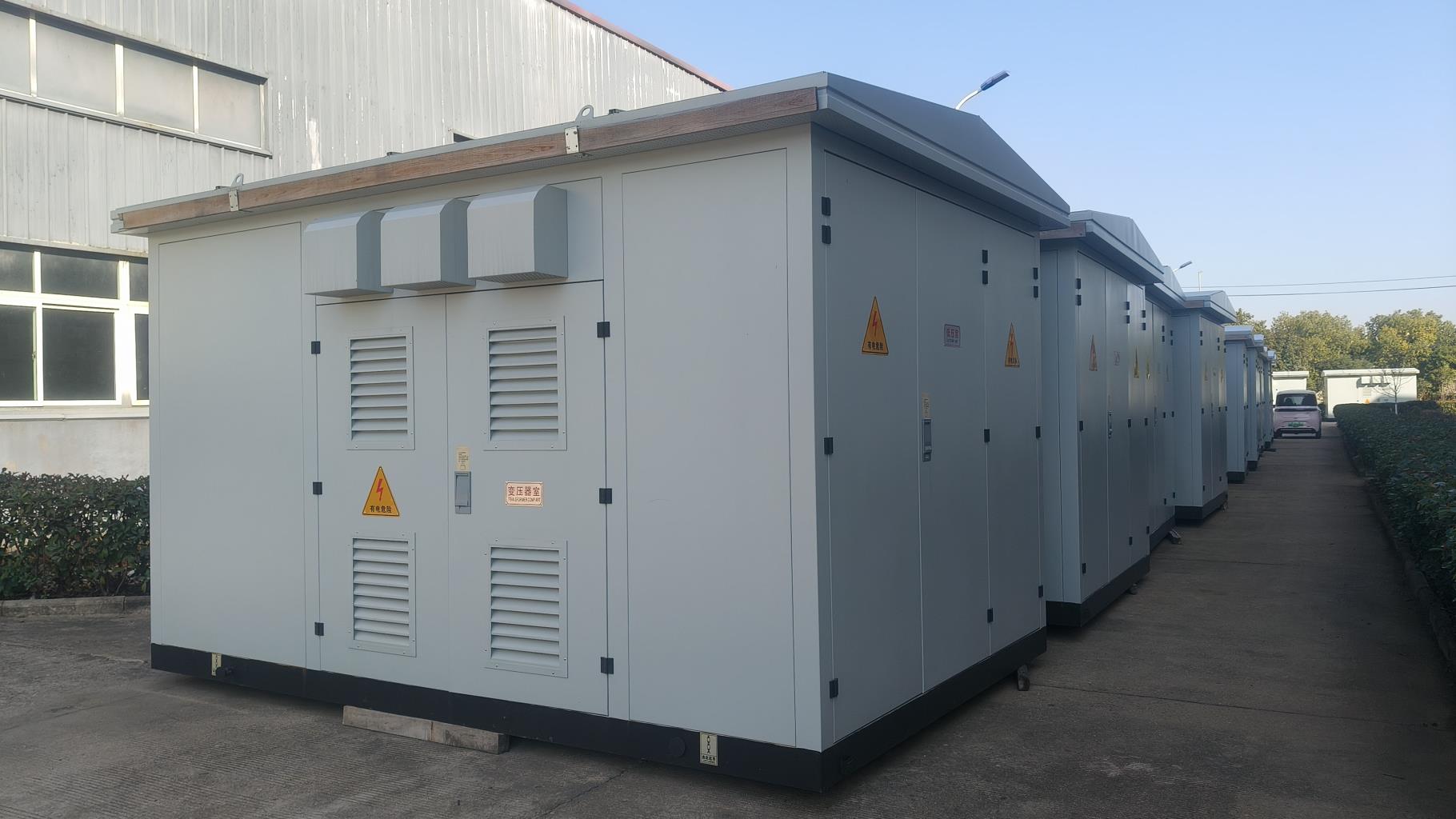
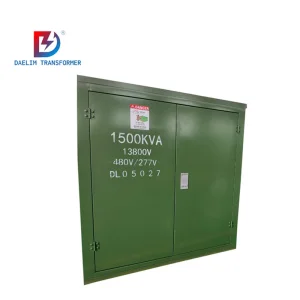
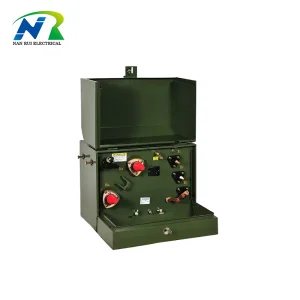
These self-contained, tamper-proof, outdoor step-down transformers are designed for safety and space optimization. Widely deployed in commercial developments and direct underground line junctions, they feature loop-feed setups.
A leading electrical power equipment manufacturer integrating design, production, and comprehensive technical service.
Henan Pirooz Power Co., Ltd. is a comprehensive electrical power equipment manufacturer integrating research and development, engineering design, production, sales, and after-sales service. The company specializes in customized solutions for power transformers and complete sets of transmission and distribution equipment, providing reliable and efficient electrical products for global energy infrastructure projects.
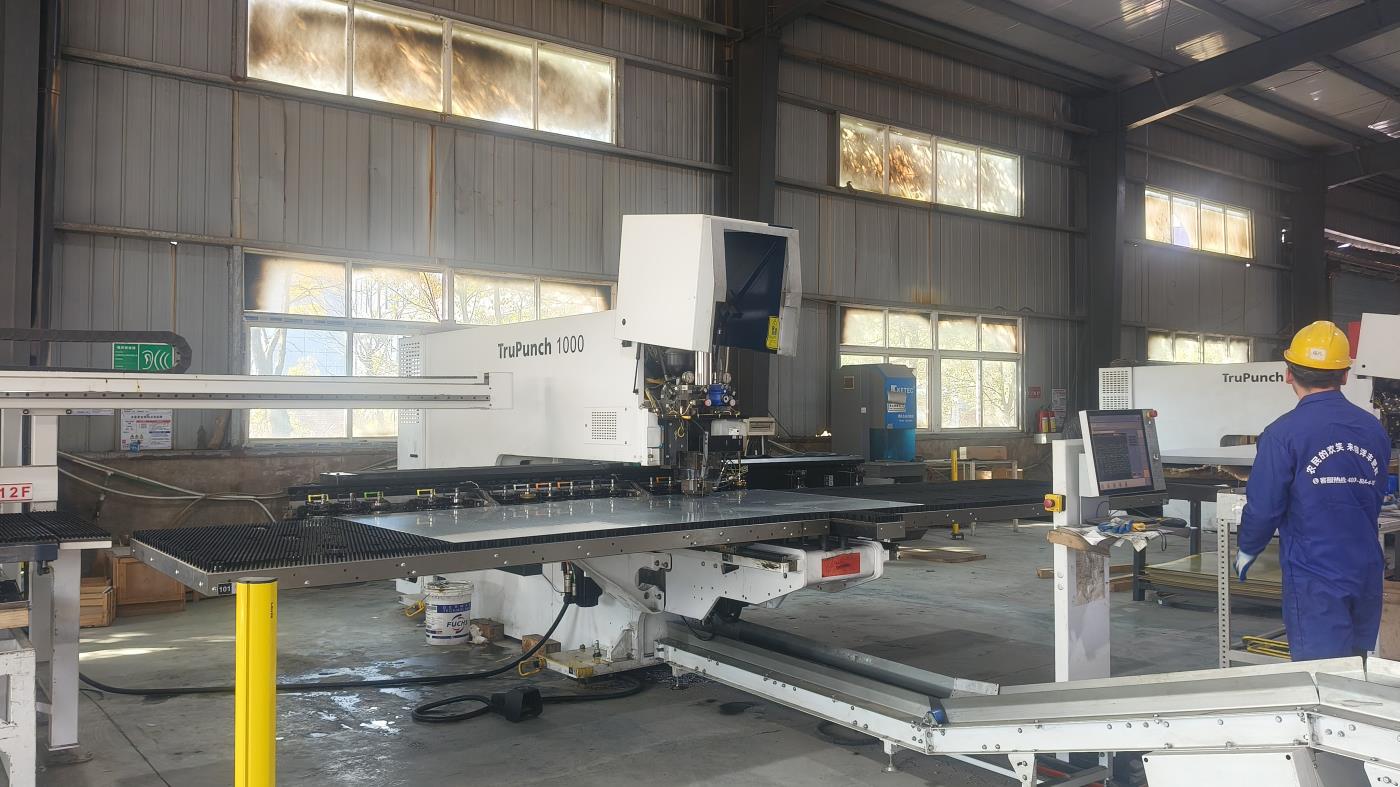
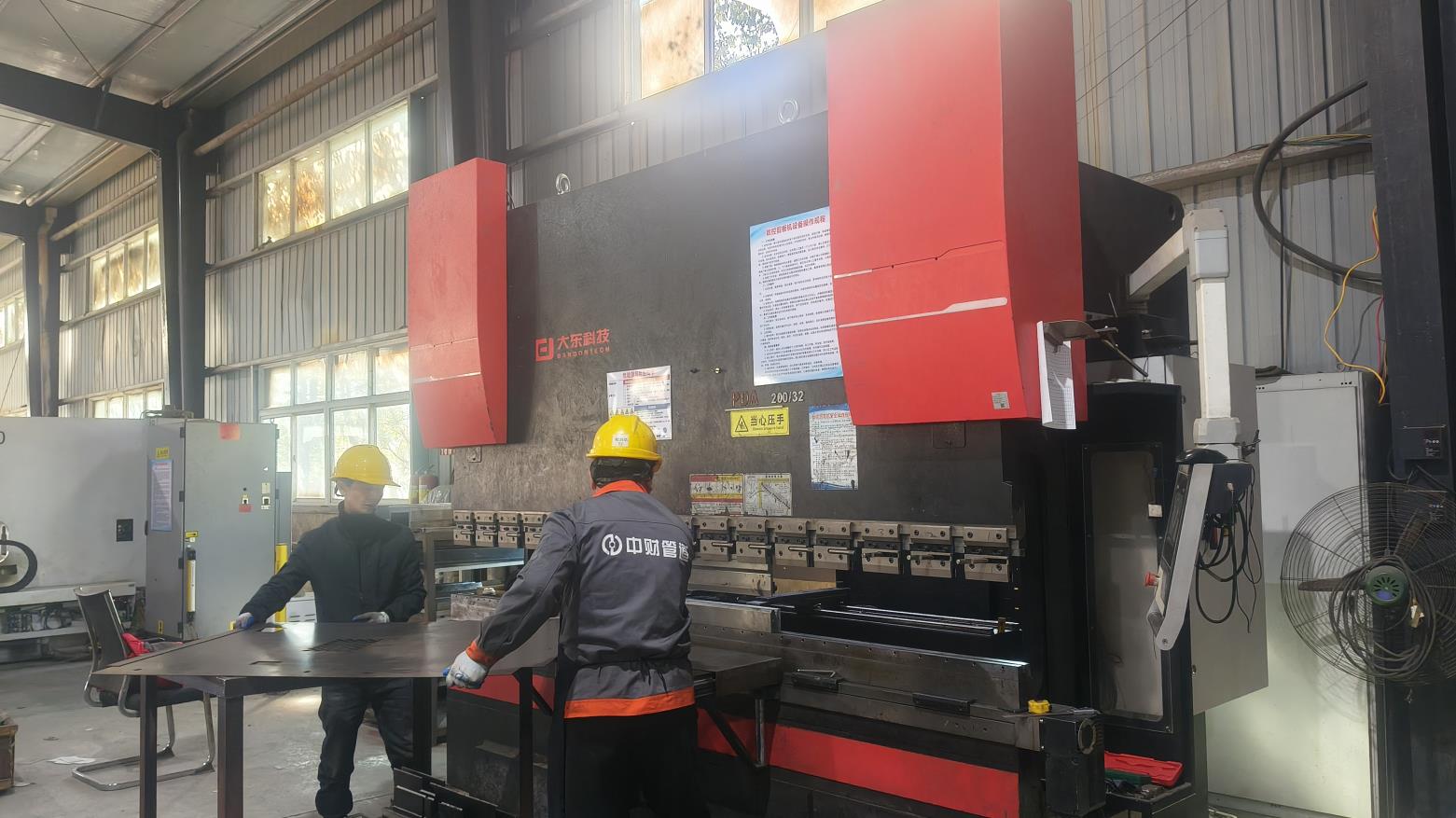
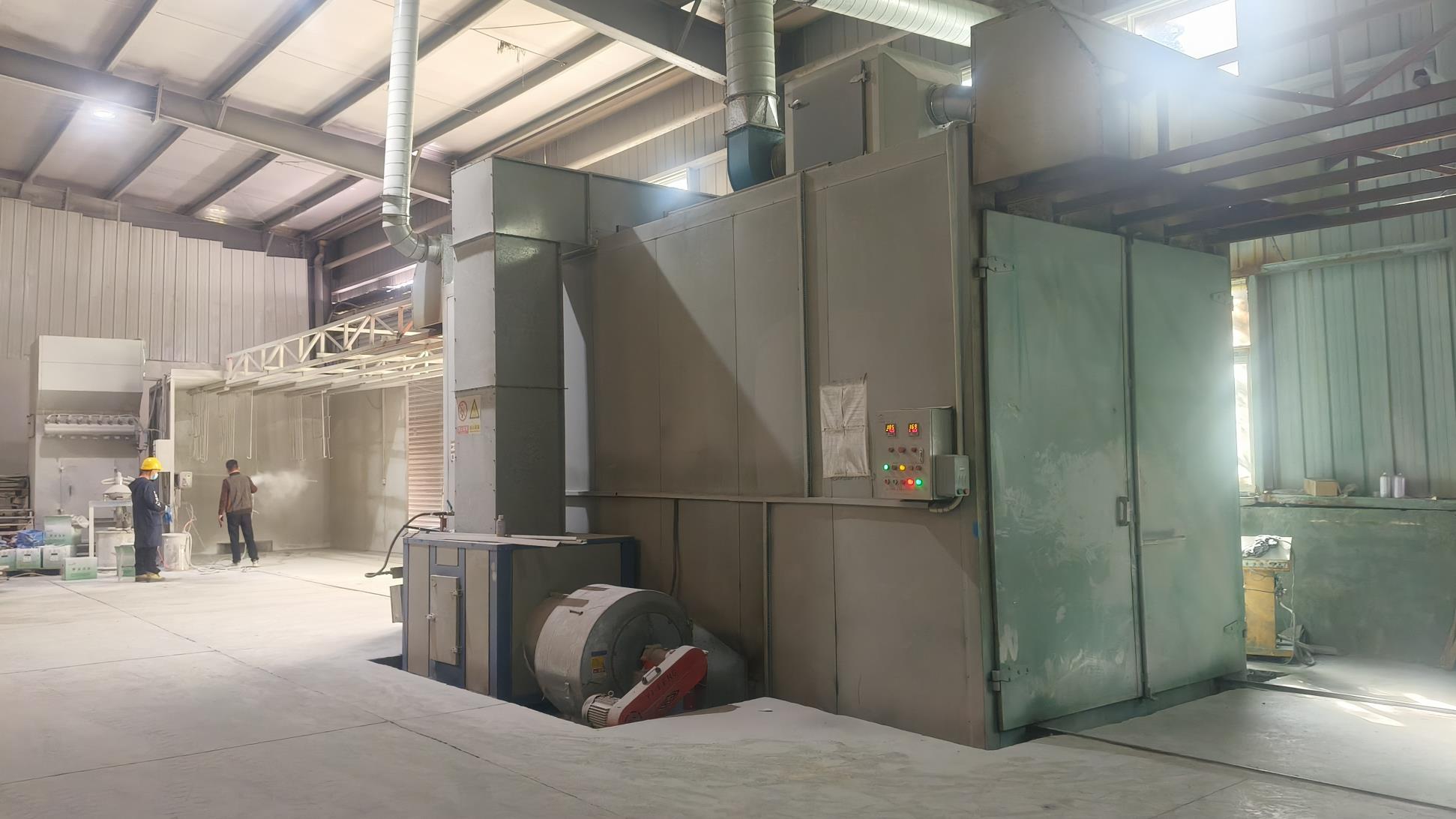
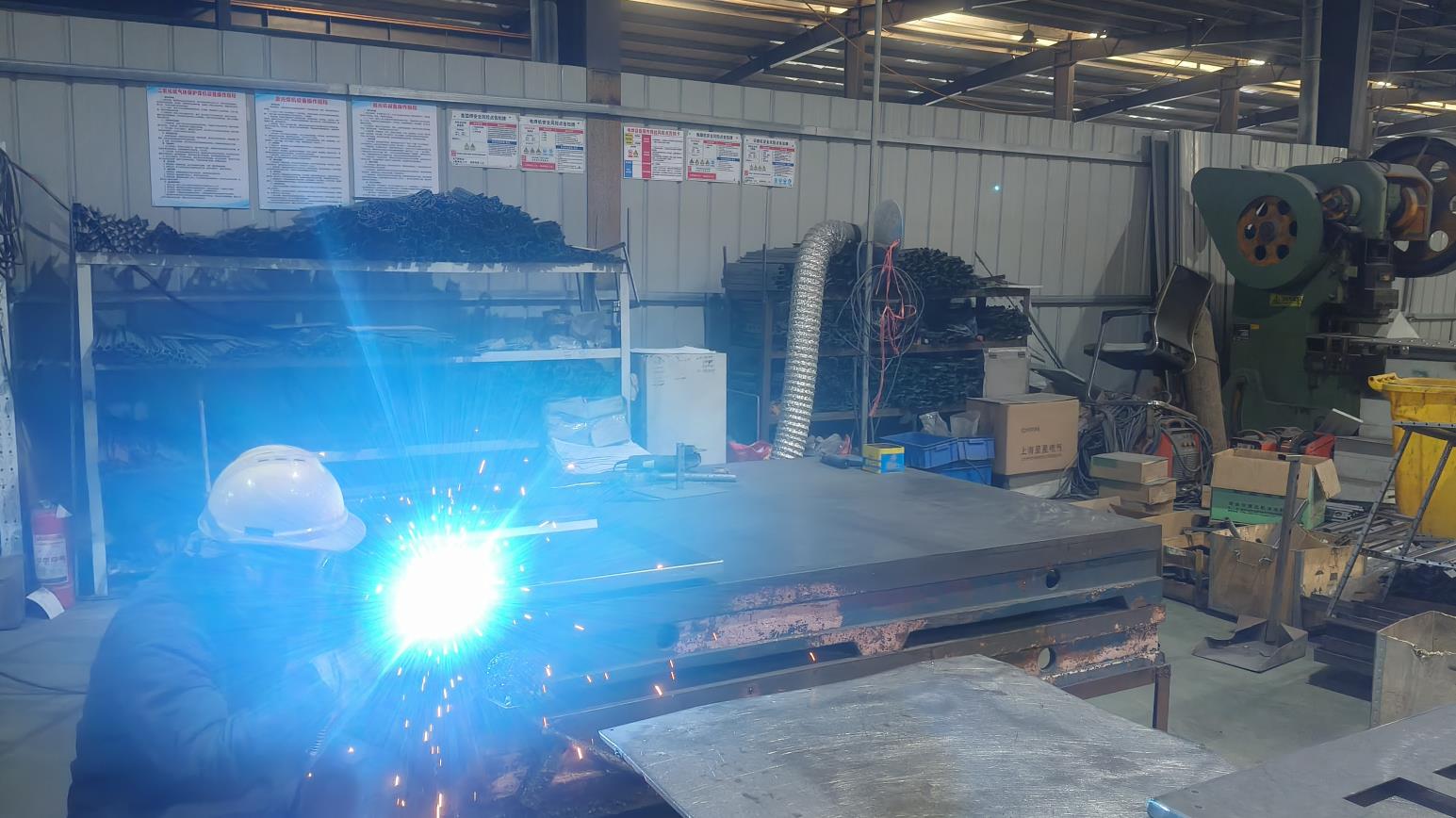
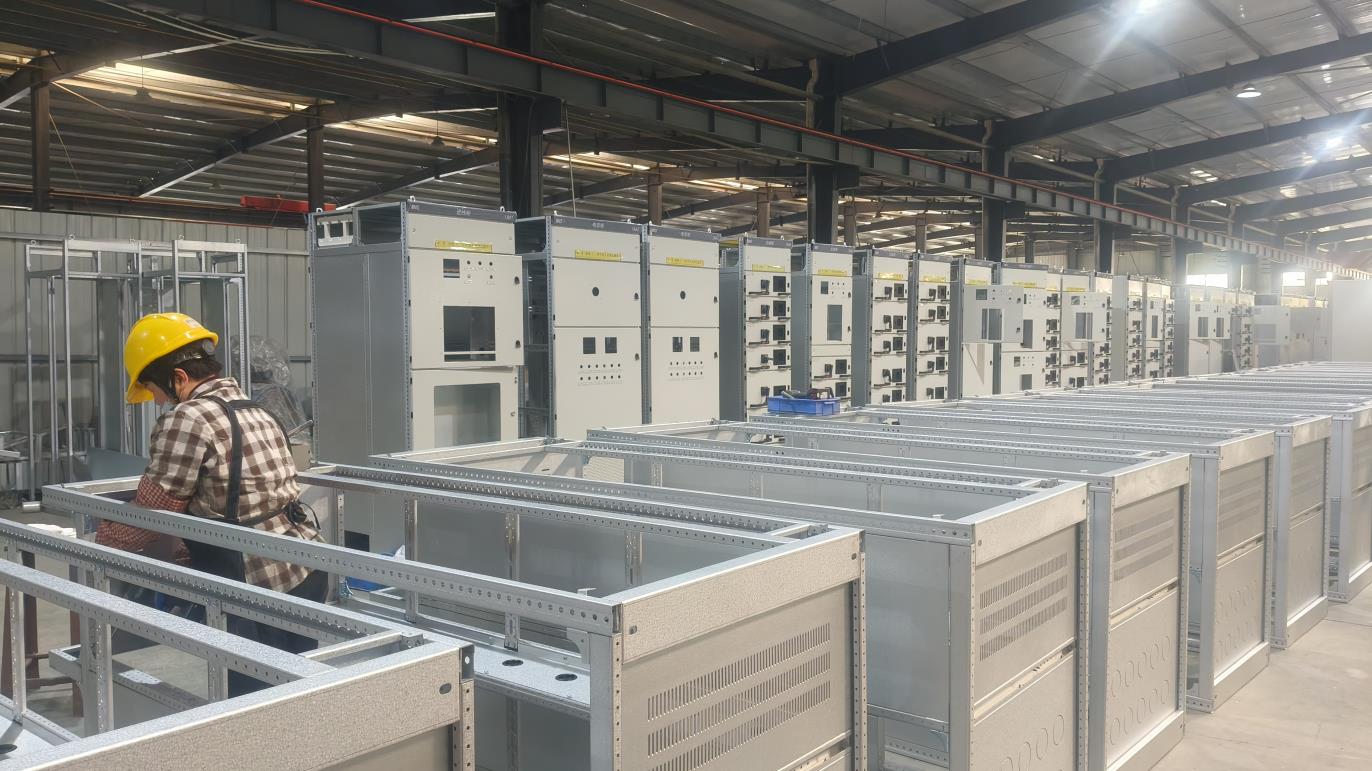
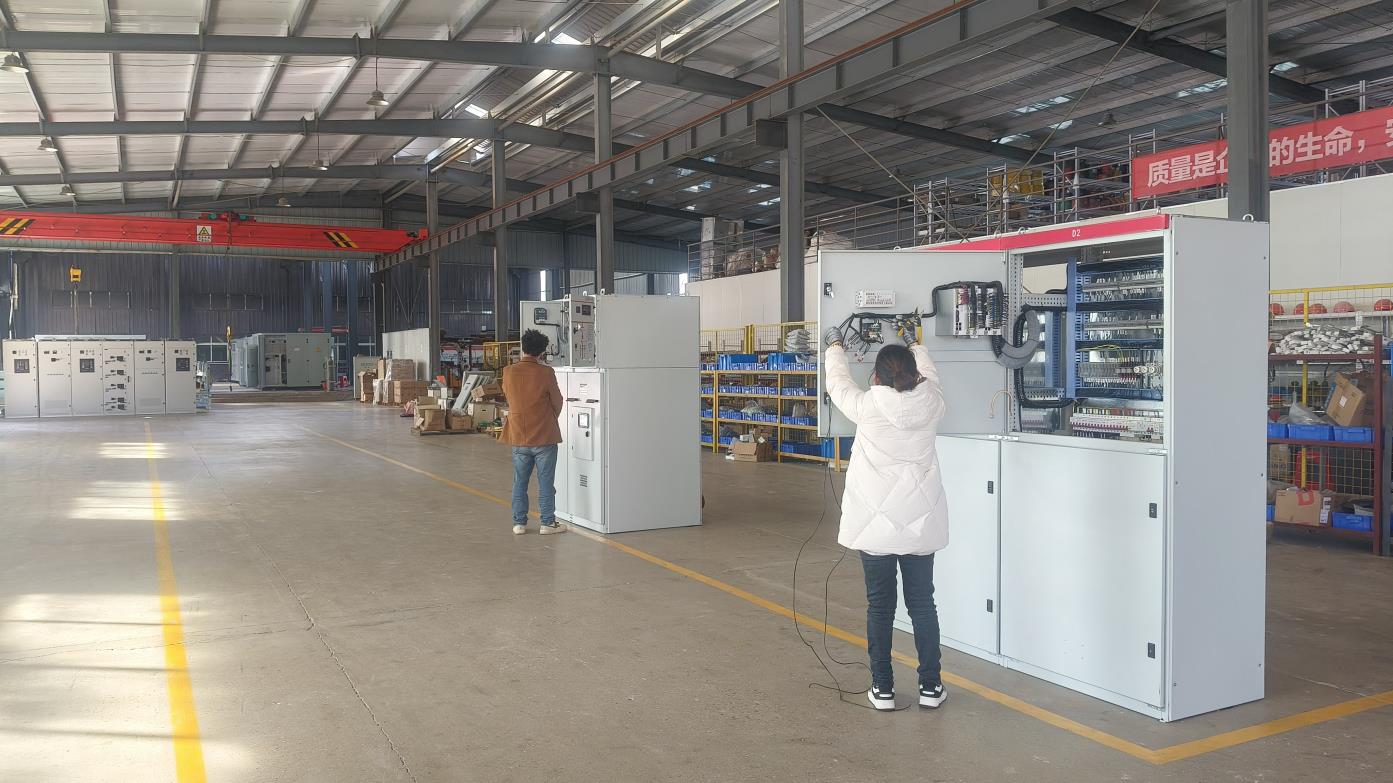
The company operates a modern manufacturing facility with a complete production system covering product design, precision machining, assembly, and full electrical testing. Equipped with advanced production lines and strict quality control procedures, Henan Pirooz Power Co., Ltd. ensures that all products meet international standards and customer-specific technical requirements, maintaining high performance, safety, and durability.
Its core product range includes 10kV–35kV oil-immersed power transformers (such as S11, S13, S14, and S20 series), dry-type transformers (including SCB10, SCB11, SCB13, and SCBH15 series), as well as on-load tap-changing transformers, rectifier transformers, and furnace transformers designed for specialized industrial applications. These products are widely used in power utilities and heavy industries requiring stable and efficient energy distribution.
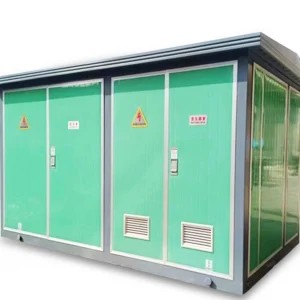
In addition to transformers, the company also provides complete electrical system solutions, including high and low voltage switchgear, European-style compact substations, American-style pad-mounted substations, and underground distribution substations. These integrated solutions are widely applied in power grid construction, industrial manufacturing, mining, metallurgy, petrochemicals, transportation systems, and renewable energy projects.
With a growing international footprint, Henan Pirooz Power Co., Ltd. has exported its products to multiple countries and regions worldwide, building long-term partnerships across global energy markets. The company continues to expand its production capacity and technological capabilities to meet increasing international demand.
Looking ahead, the company is committed to innovation, energy efficiency, and smart manufacturing development. By continuously improving product performance and system integration capabilities, Henan Pirooz Power Co., Ltd. aims to become a globally recognized provider of advanced power equipment solutions, supporting the development of modern and sustainable energy infrastructure.
Why modern global power networks specify Chinese manufacturing for high-capacity projects.
The global dominance of Chinese electrical manufacturers is driven by an extensive supply chain ecosystem, continuous investments in smart technology, and strict quality control processes. For heavy power transformers (10kV to 35kV and above), Chinese factories provide distinct advantages:
Chinese manufacturers maintain direct, localized access to essential raw materials. From high-grade electrical grade copper and high-permeability amorphous alloys to advanced insulation resins and transformer mineral oils, local integration eliminates logistics delays and ensures component compatibility.
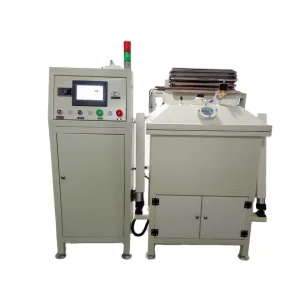
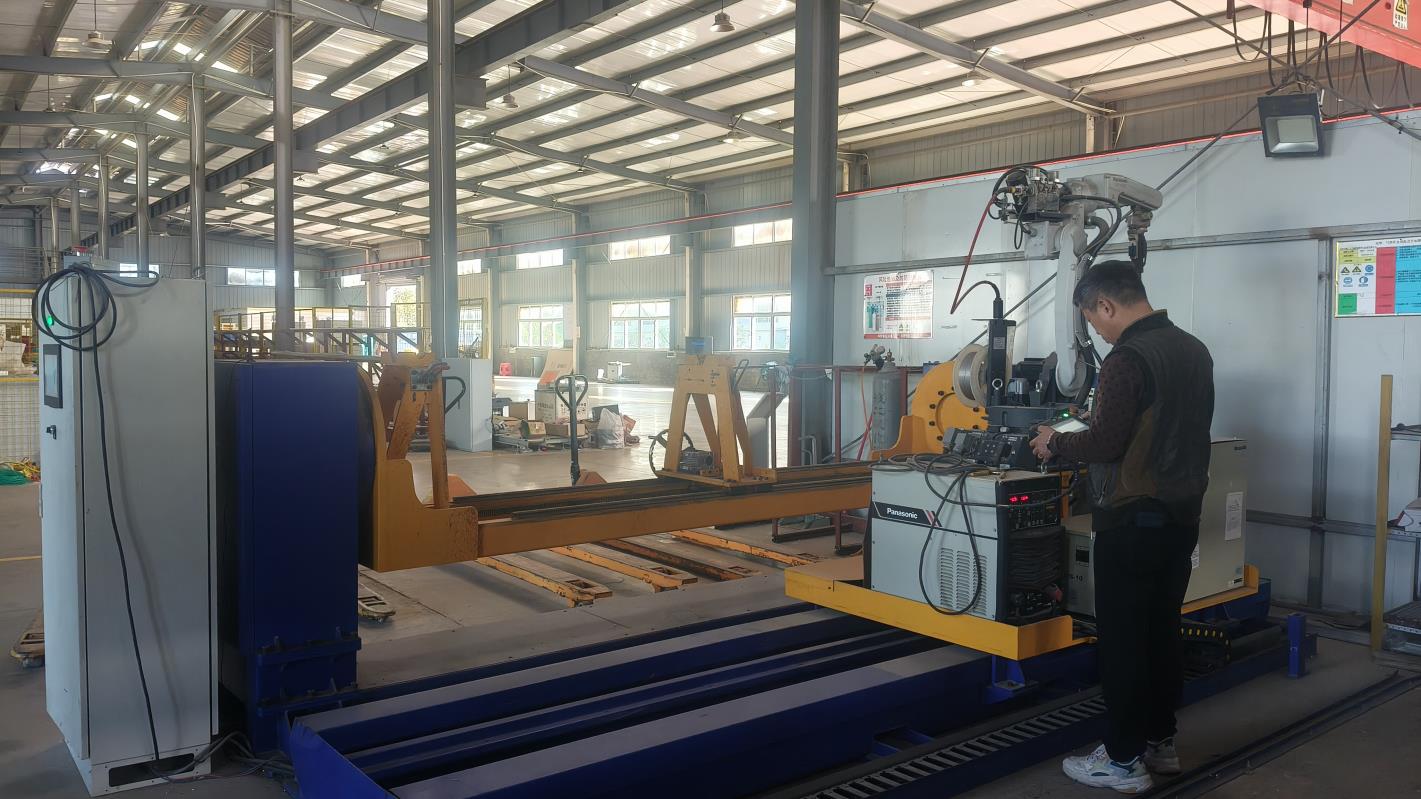
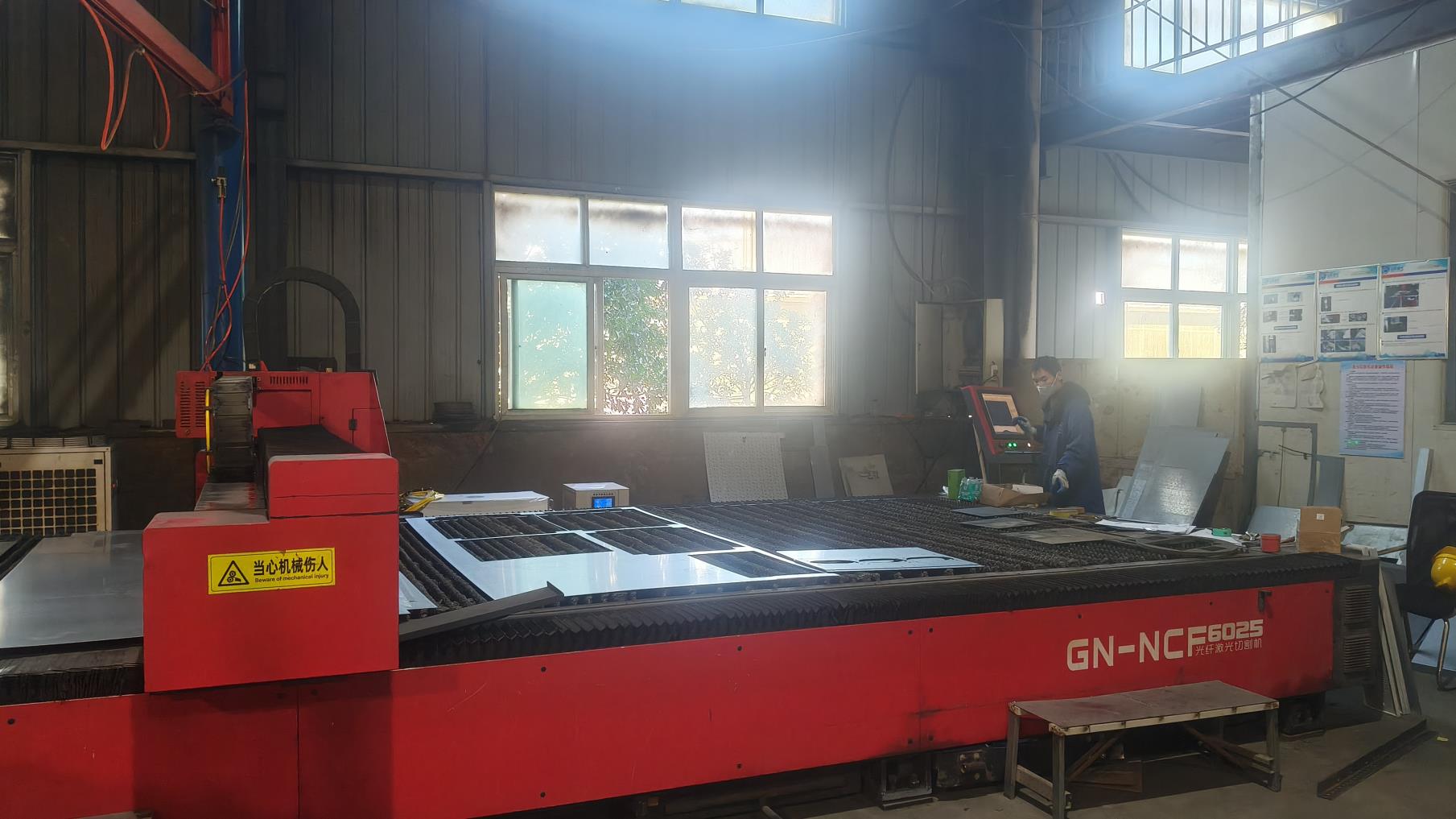
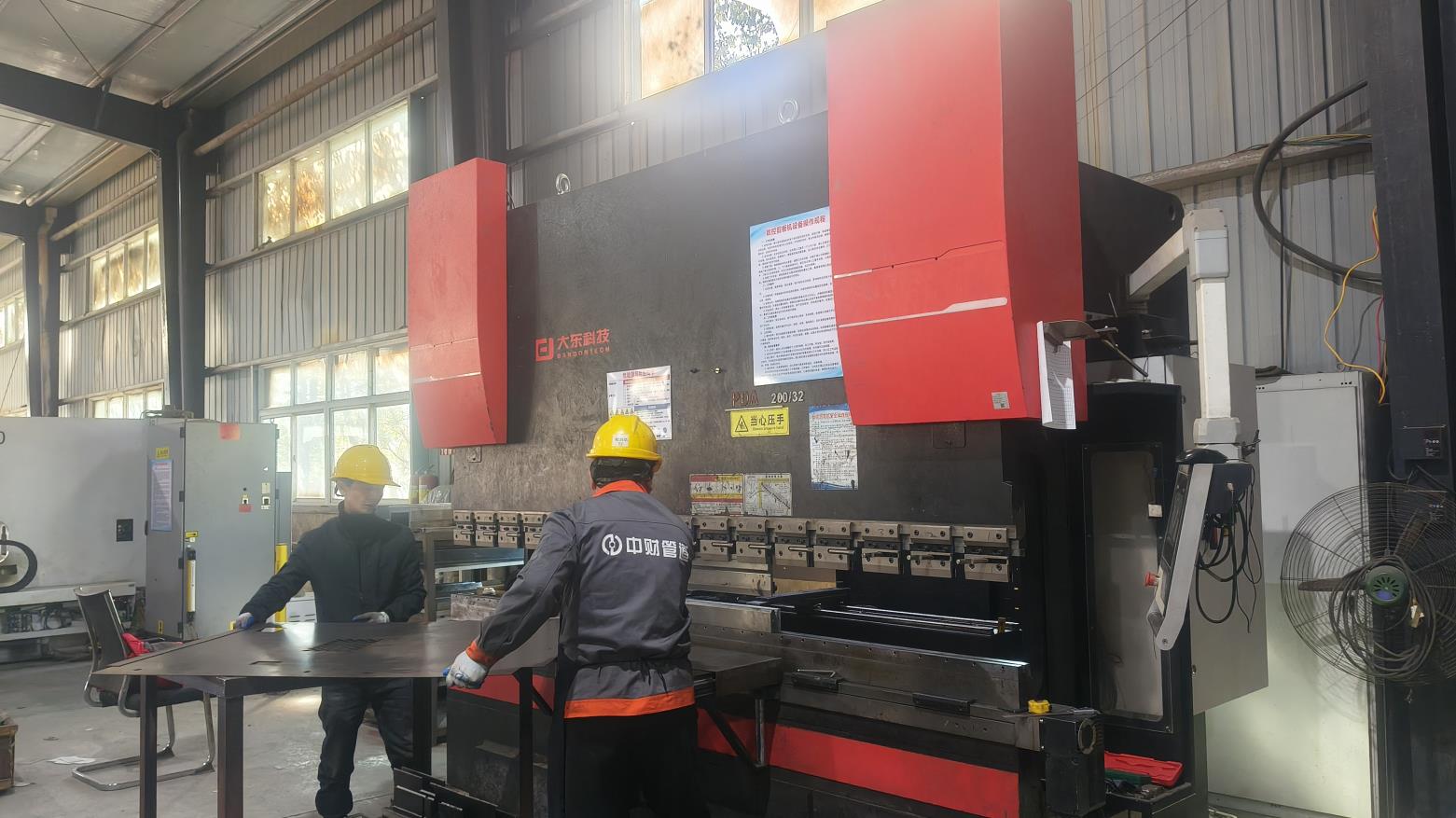
By implementing advanced CNC laser cutting machines, automated winding lines, and robotic soldering systems, Chinese factories ensure dimensional accuracy down to fractions of a millimeter. This precision directly reduces mechanical stresses during short circuits and minimizes stray loss within the magnetic circuit.
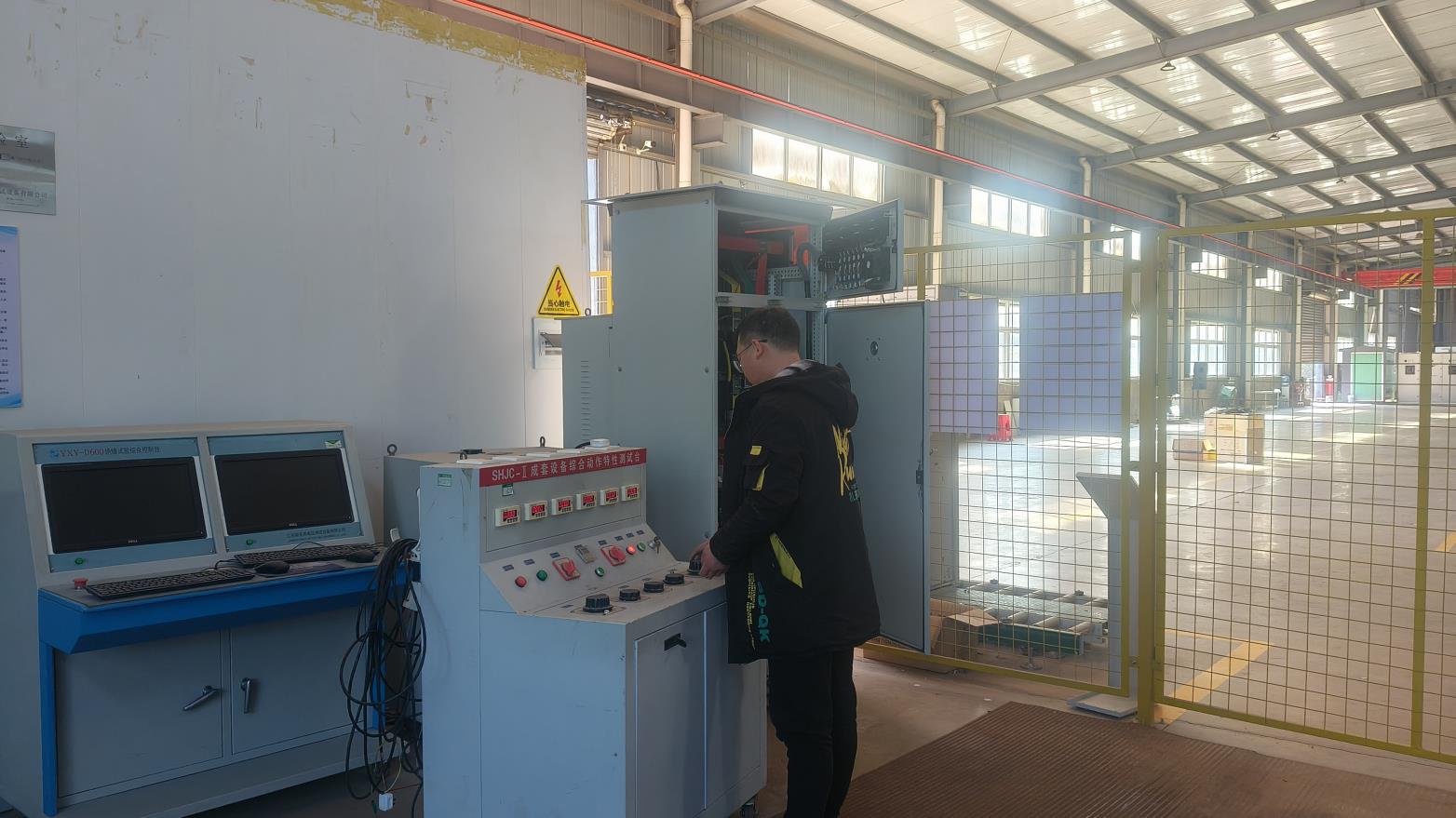
State-of-the-art Chinese testing laboratories perform full-scale electrical testing. This includes partial discharge measurements, temperature rise trials, impulse voltage endurance tests, and detailed noise analysis in accordance with IEC, IEEE, and ANSI protocols.
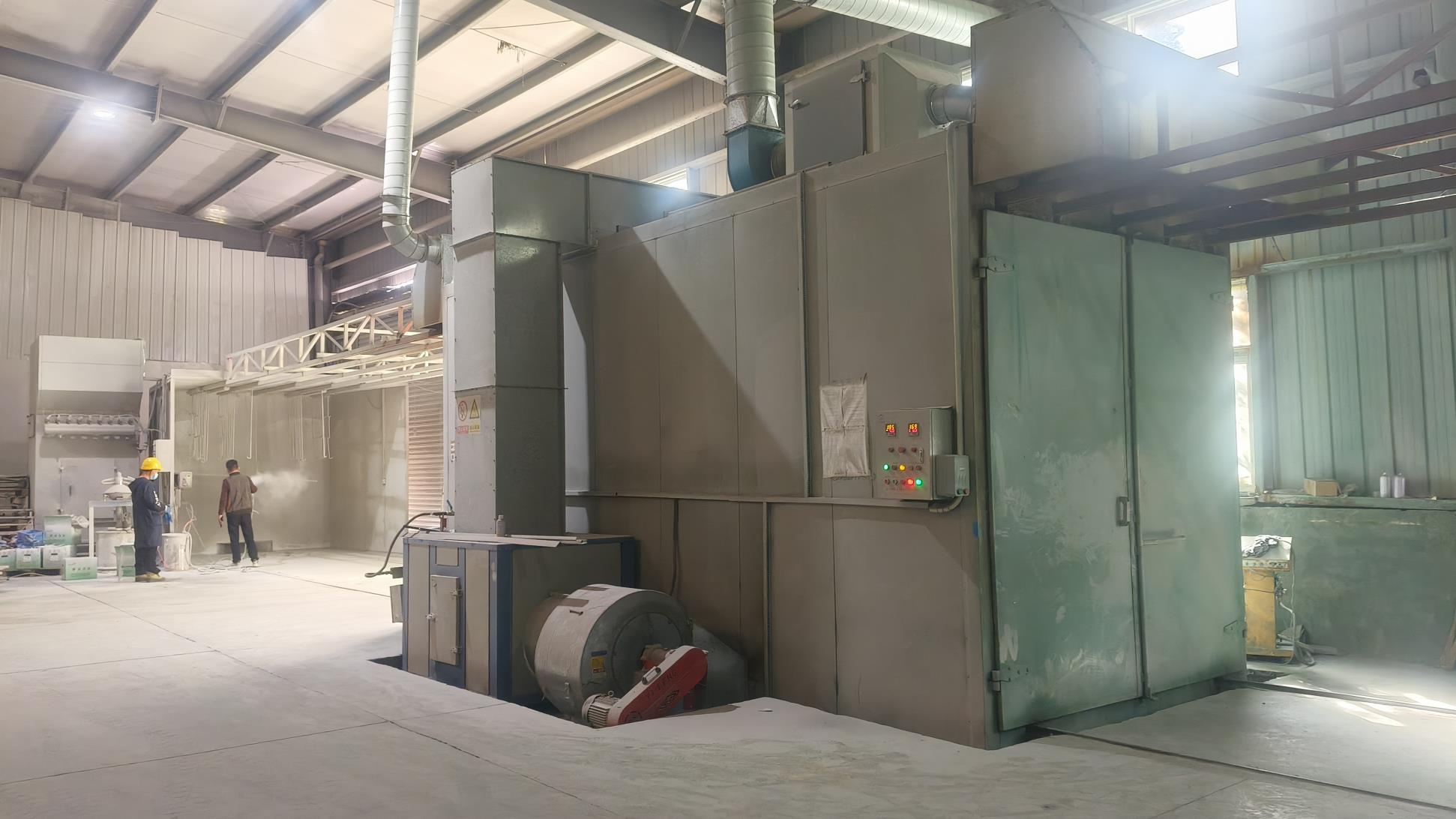
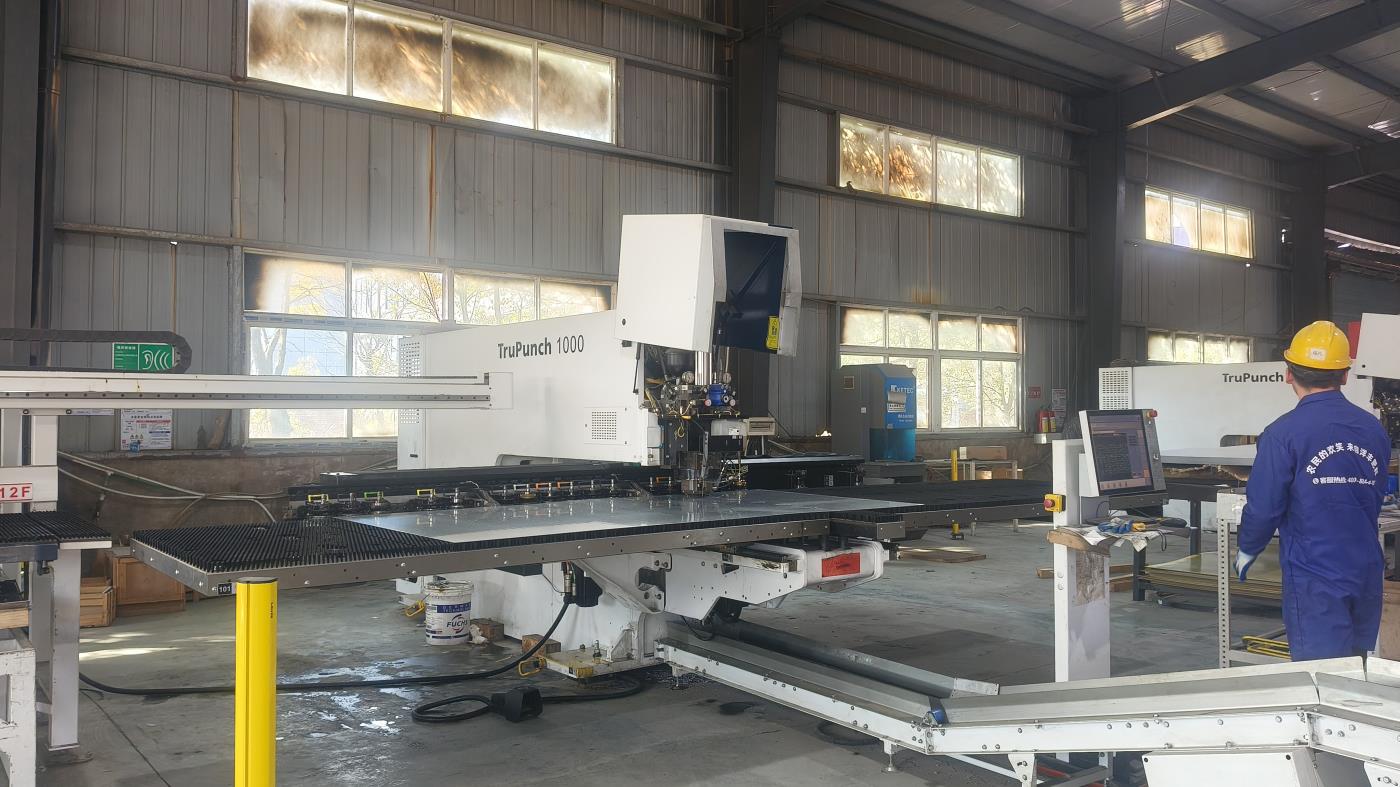
Step-by-step visual overview of our precision fabrication, assembly, and testing processes.
Adapting power system architectures to renewable integration and grid digitalization.
The global shift toward wind and solar PV power requires transformers capable of managing fluctuating loads and harmonic distortion. Modern power grids integrate dedicated step-up transformers (such as pad-mounted or compact substation units) that connect directly to solar inverters. These units are engineered with internal shields and electrostatic barriers to prevent high-frequency noise from feeding back into the transmission grid.
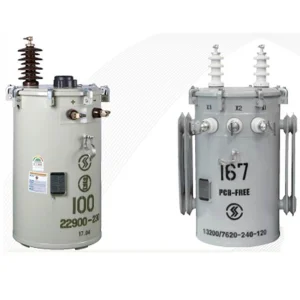
Governments worldwide are implementing strict minimum efficiency standards (e.g., EU Ecodesign requirements and US DOE standards). Amorphous alloy core transformers and energy-saving single-phase pole transformers have become essential. They help utilities significantly lower energy loss, direct operating costs, and carbon emissions.
The integration of IoT thermal sensors, dissolved gas analysis (DGA) modules, and fiber-optic winding temperature monitors is turning traditional passive transformers into smart, interactive components. Real-time diagnostic data allows grid operators to perform predictive maintenance, helping prevent unplanned power outages and extending equipment lifespan.
Ensuring compliance, managing technical specifications, and mitigating delivery risks.
For procurement officers and EPC contractors, sourcing power distribution equipment requires strict attention to detail to ensure compatibility and reliability. We recommend focusing on three core areas:
Confirm that the supplier design and manufacturing processes align with recognized standards. General requirements include IEEE C57/ANSI for North American installations and IEC 60076 for European, Middle Eastern, and Asian networks. Ensure certifications from recognized bodies (such as KEMA, CE, and ISO) are valid and up to date.
Specify the exact environmental conditions of the installation site. Transformers operating in desert environments, high altitudes (above 1000m), or humid tropical climates require custom derating and specific insulation oil types. It is critical to state the required temperature rise limits (e.g., 55°C or 65°C for oil-immersed units) in the technical specification sheet.
A comprehensive FAT protocol is crucial. Require detailed documentation of routine tests on all shipped units, including winding resistance measurements, voltage ratio verification, phase displacement checks, and no-load/load loss measurements. For critical installations, request type testing reports, such as short-circuit withstand capabilities and temperature rise runs.
Expert answers to critical technical questions regarding transformer engineering and sourcing.
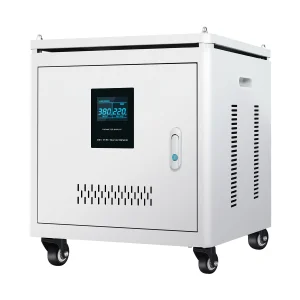
High-voltage isolation transformers, custom pad-mount installations, and outdoor mobile substation equipment.
 Pirooz Power