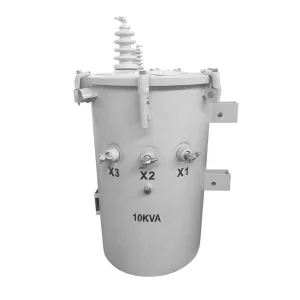
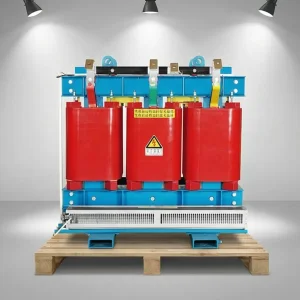
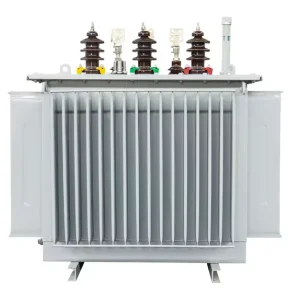
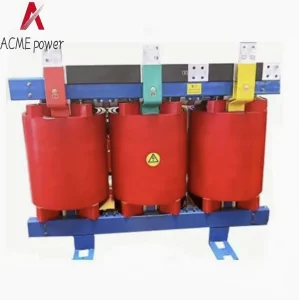
Top 10 Transformer Lifecycle Management Manufacturer & Exporters

Engineering Smart Grid Resilience Through Advanced Manufacturing, End-to-End Asset Diagnostics, and Eco-Efficient Power Solutions

Global Transformer Lifecycle Management Dynamics

Optimizing asset performance from commissioning to terminal decommissioning.

⚙️

End-to-End Asset Health

Modern electrical grids rely heavily on active Transformer Lifecycle Management (TLM). This system prevents catastrophic failure, maintains grid equilibrium, and optimizes energy transfer. Predictive analytics are now replacing reactive diagnostics to extend equipment lifetime by up to 15 years.

📊

Regulatory Compliance

Tightening carbon neutral rules mandate low-loss grid machinery. Lifecycle management includes replacing mineral oils with biodegradable synthetic esters and transitioning to eco-friendly dry-type technologies that satisfy Tier 2 ecodesign requirements.

🌐

Renewable Integration

Wind, solar, and hybrid networks introduce high load fluctuations. Integrated on-load tap changers and thermal monitoring sensors are essential to handle bidirectional power flows and prevent rapid insulation degradation.

50,000+
KVA Capacity Range
35kV+
Voltages Managed
100%
Customized Coils
IECEE
Certified Operations

China's Manufacturing Leadership & Efficiency Advantages

Leveraging deep industrial clusters and robotic automation for world-class transformer engineering.

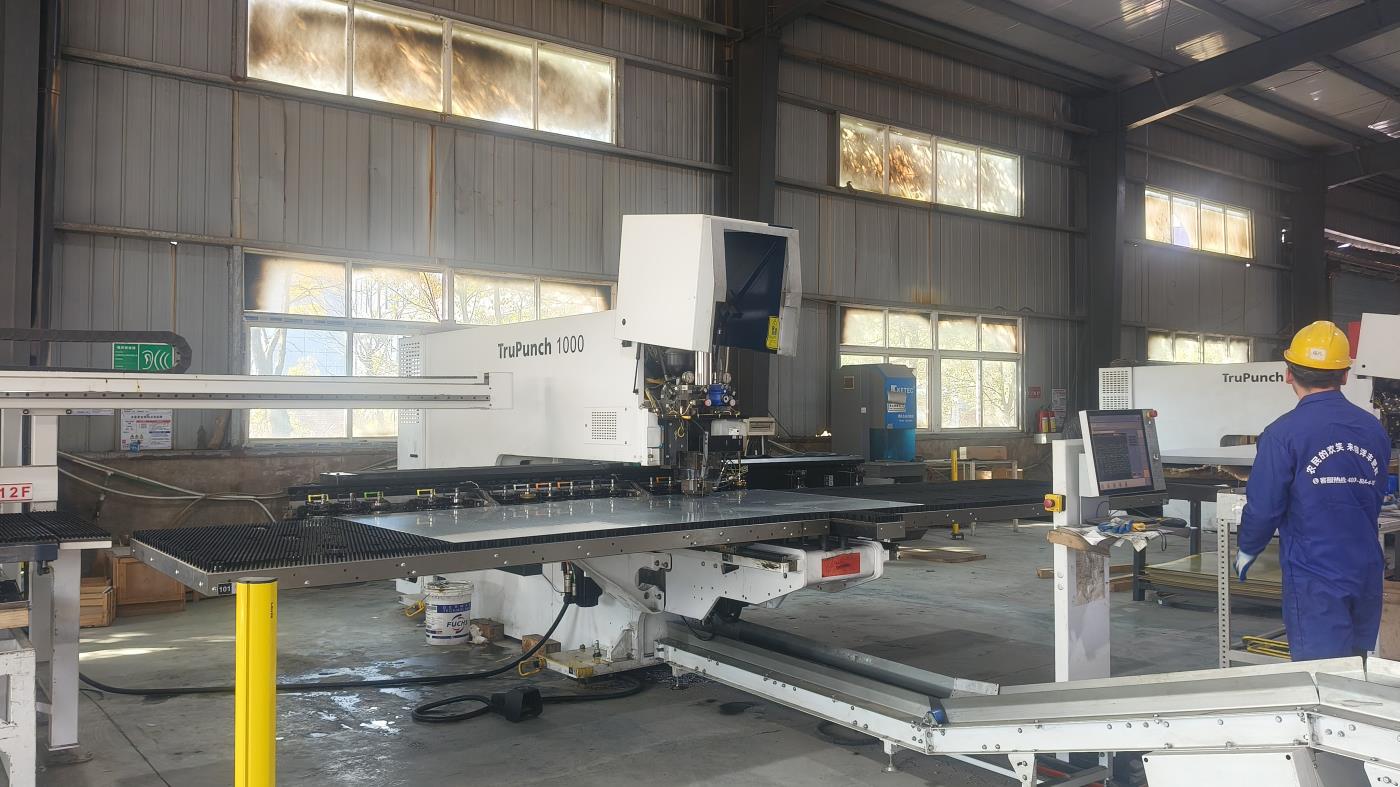
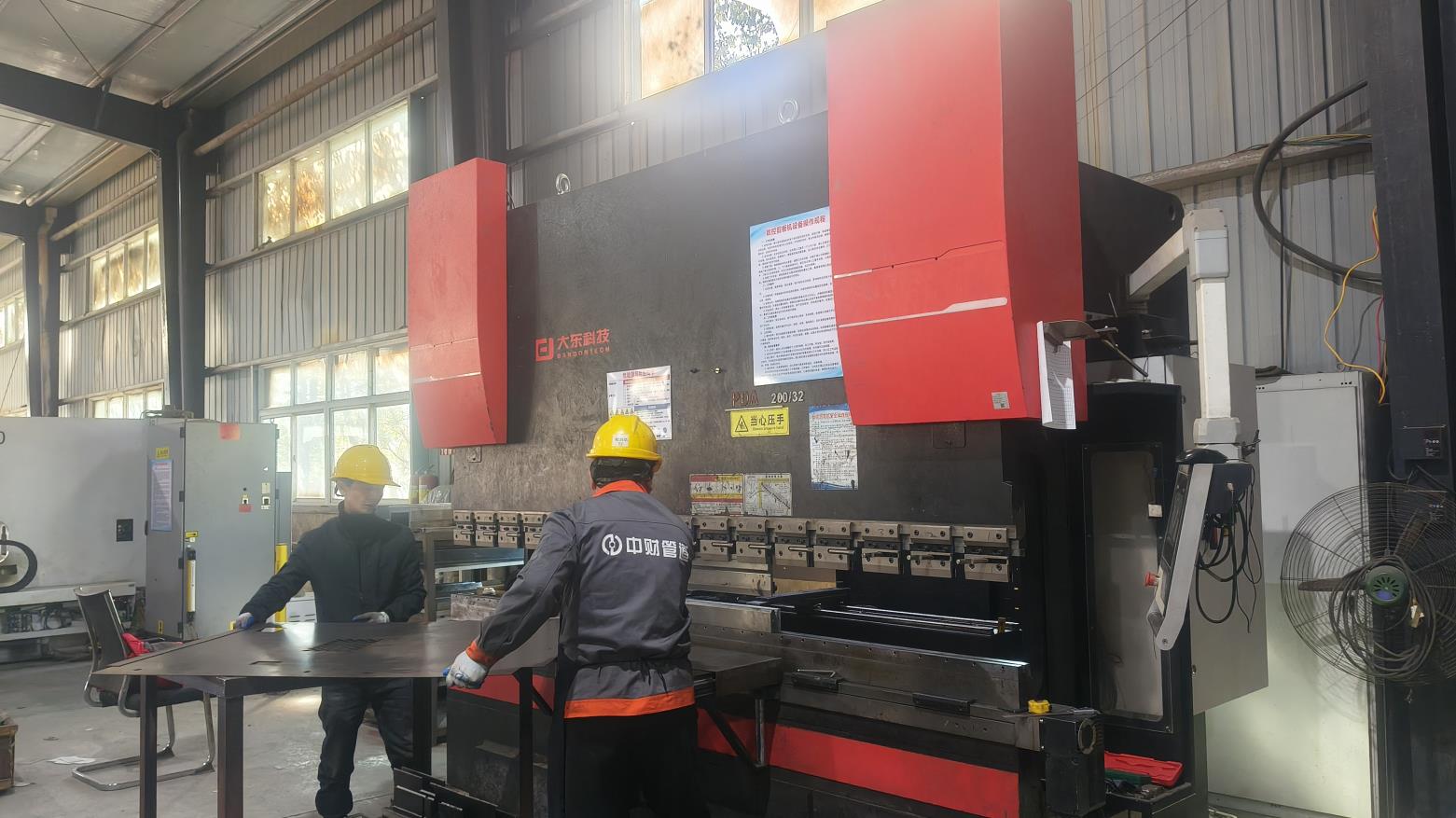
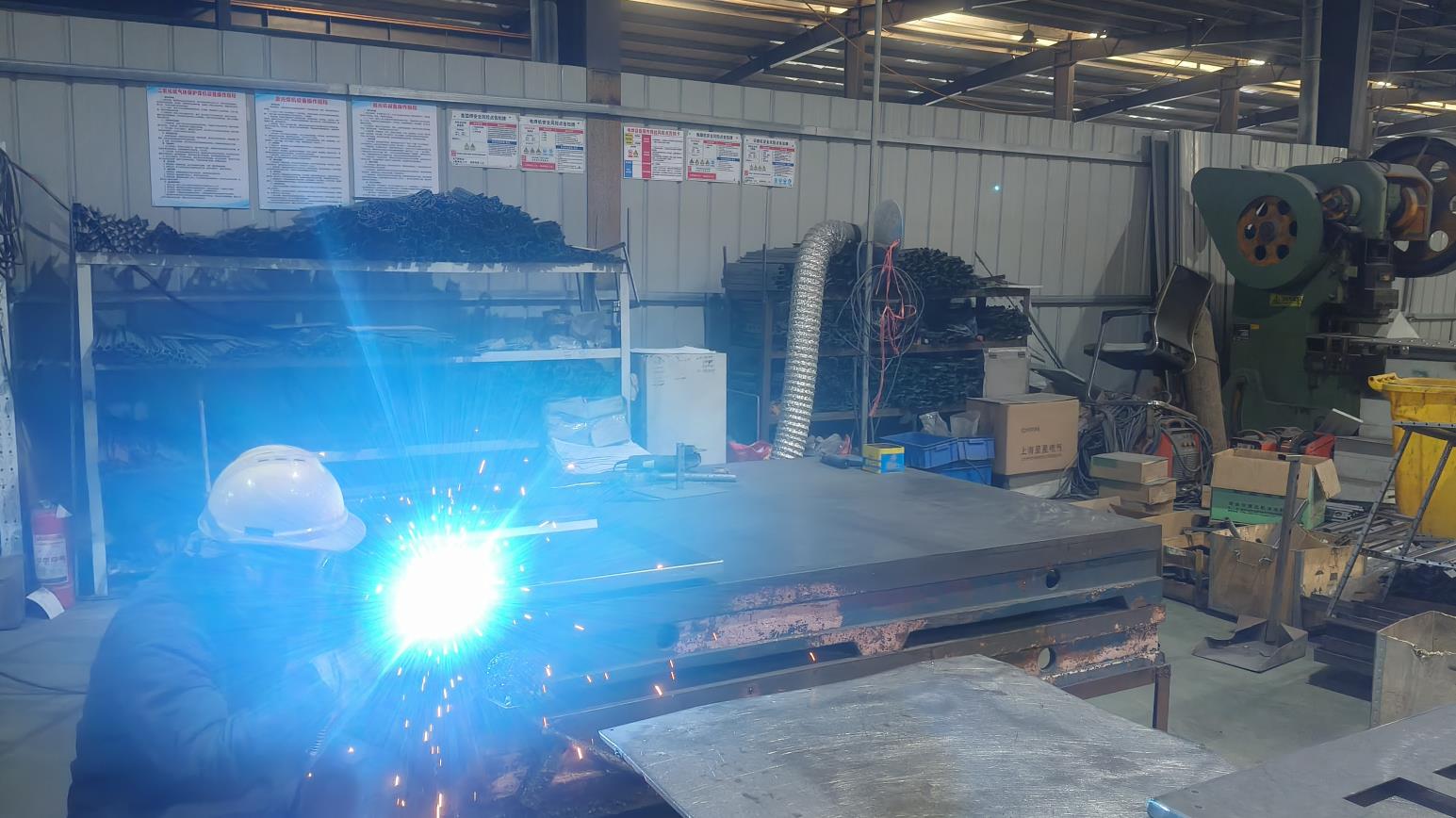
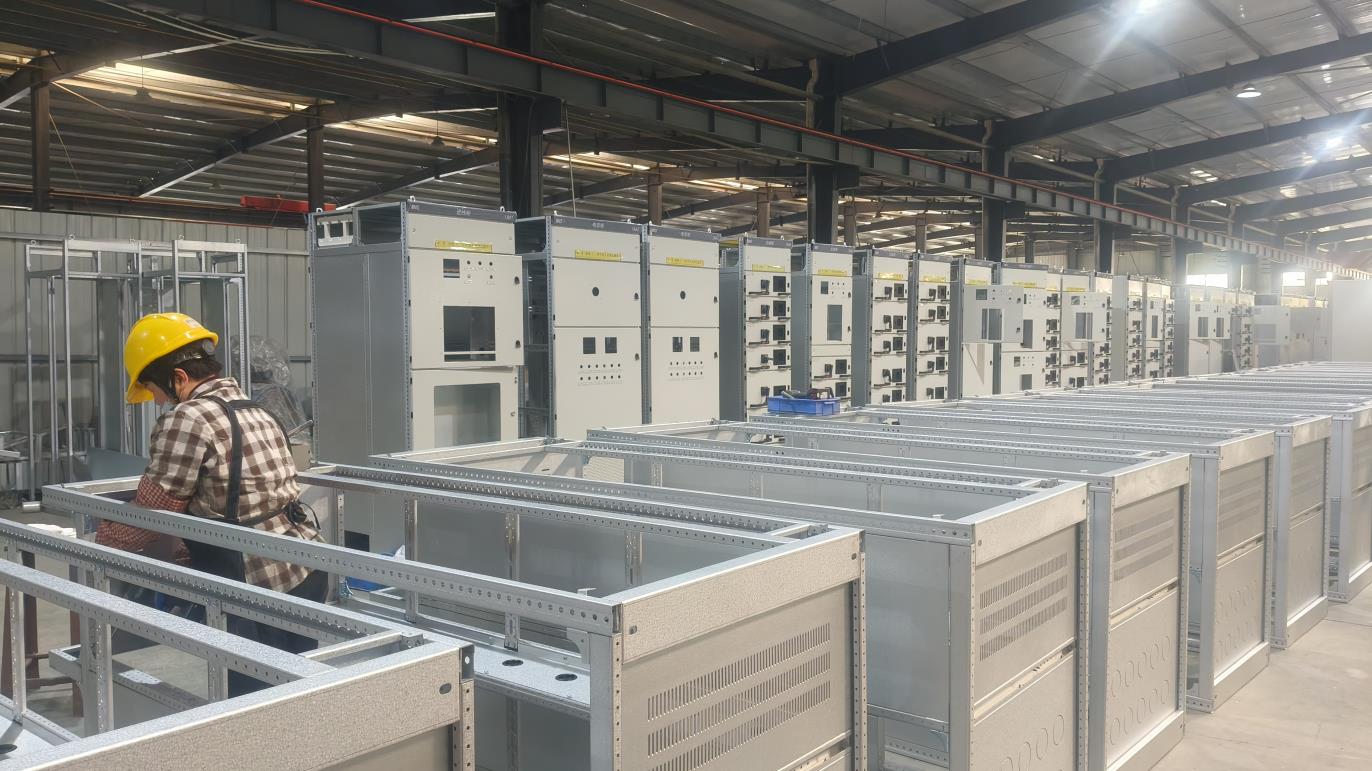
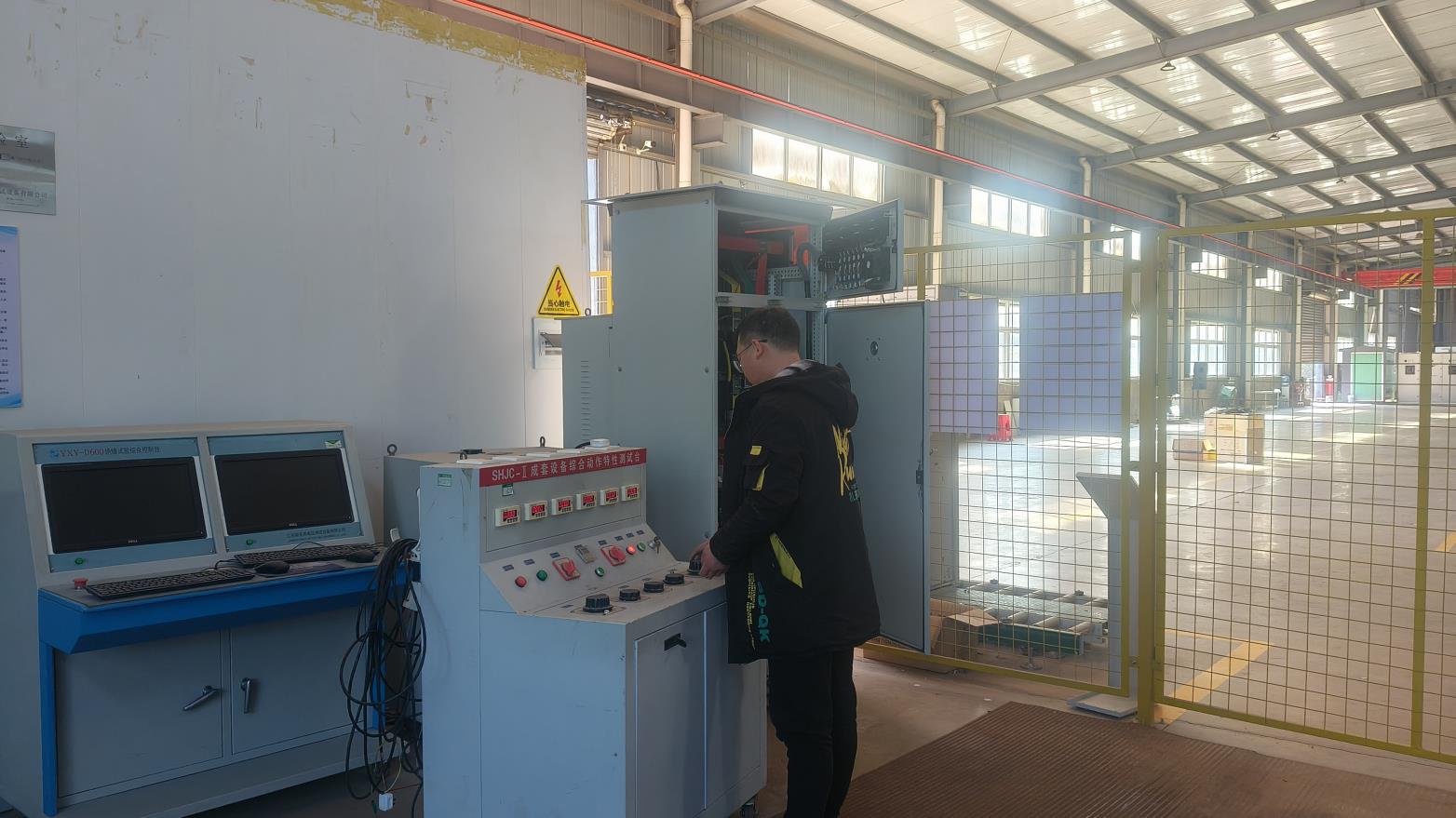
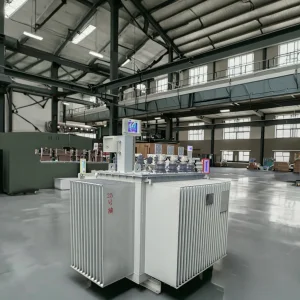
Manufacturers in China, led by pioneering facilities like Henan Pirooz Power Co., Ltd., combine high-performance materials (such as high-permeability grain-oriented silicon steel) with highly automated precision processes. This ensures short lead times, stringent quality standards, and cost-effective customized designs.

Laser Cutting Process
Precision Cutting
Bending Process
CNC Bending
Soldering Process
Robotic Soldering
Assembling Process
Core Assembly
Quality Control Check
QC Diagnostics

Transformer Lifecycle White Paper

A technical guide to maximizing uptime and reliability in industrial grids.

1. Technical Specification & Design Quality

The foundation of reliable transformer lifecycle management begins with raw material quality. Using premium grades of core steel, oxygen-free copper conductors, and robust insulating papers determines the base lifespan of the unit. At Henan Pirooz Power Co., Ltd., design validation through finite element analysis ensures that every substation and dry-type unit is optimized to withstand electromagnetic stresses during line short-circuits.

2. Predictive Maintenance and Smart Diagnostics

Real-time asset visibility is achieved by incorporating smart sensors that monitor key indicators. This includes Dissolved Gas Analysis (DGA), winding temperatures, and partial discharge activity. Utilizing this data allows operators to make informed, condition-based maintenance decisions, preventing catastrophic failure and minimizing unplanned downtime.

3. End-of-Life Strategies & Eco-friendly Decommissioning

Once a transformer reaches its threshold of thermal and electrical wear, efficient reclamation practices are necessary. Up to 95% of a distribution transformer's core, copper windings, and structural steel can be recycled. Modern, eco-efficient designs also facilitate the recovery and treatment of insulating liquids, minimizing environmental impact.
Frequently Asked Questions

Key insights on transformer operation, procurement, and lifecycle maintenance.

What are the primary factors affecting transformer life expectancy?
Operating temperature, environmental moisture, and frequent short-circuit stresses are the principal drivers of insulation deterioration. Proper thermal management and real-time oil monitoring can double a transformer's operating lifespan.
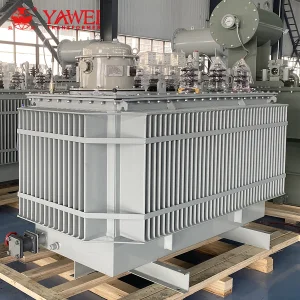
Why choose dry-type transformers over oil-immersed units?
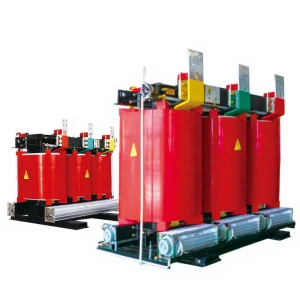
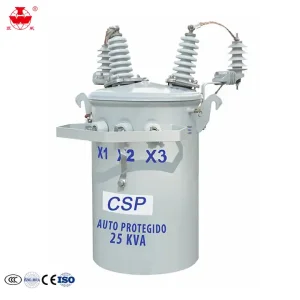
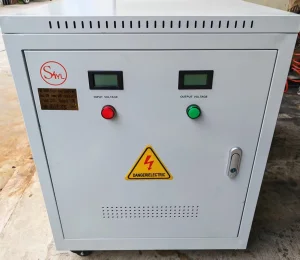
Dry-type units (such as VPI or cast resin) are self-extinguishing and present no risk of oil leaks, making them the preferred choice for commercial buildings, hospitals, and underground subways where fire safety is a priority.
How does Henan Pirooz Power ensure international standards?
Our design and manufacturing systems strictly align with IEC, ANSI, and IEEE frameworks. All final assemblies undergo comprehensive routine and type testing before dispatch to ensure site readiness.