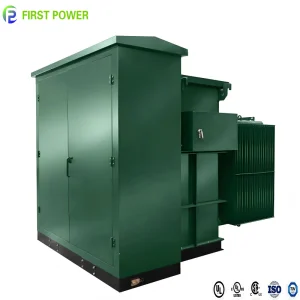
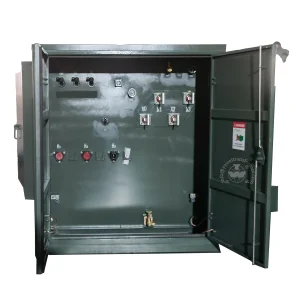
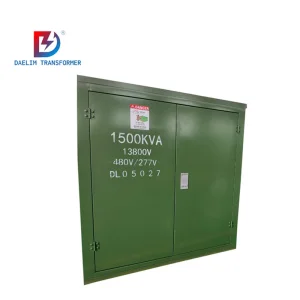
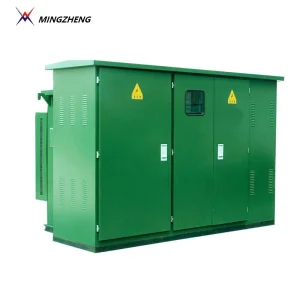
Norway represents one of the most sophisticated energy markets globally. With nearly 100% of its domestic electricity produced from renewable sources—primarily hydropower and burgeoning wind farms—the demand for high-efficiency distribution equipment is paramount. As a leading Pad-mounted Distribution Transformer Manufacturer, we recognize that the Norwegian grid requires more than just standard components; it demands resilience against sub-arctic temperatures, high humidity, and coastal salt-spray environments.
The "Norway 2030" electrification strategy, which aims for zero-emission ferries, widespread EV infrastructure, and electrified offshore platforms, puts immense pressure on localized substations. Our pad-mounted transformers are specifically engineered to integrate into these smart-grid environments, providing the stable voltage regulation necessary for rapid-charging networks and industrial automation in cities like Oslo, Bergen, and Trondheim.
Designed to operate seamlessly in temperatures as low as -40°C, utilizing specialized low-pour-point insulating oils and C5-M high-durability coatings for coastal protection.
Offering biodegradable ester fluids (FR3) to meet Norway’s strict environmental protection laws, ensuring zero soil contamination risk in sensitive fjordside locations.
Integrated digital twin sensors for real-time monitoring of temperature, pressure, and gas levels, aligning with Norway's leadership in grid digitalization.
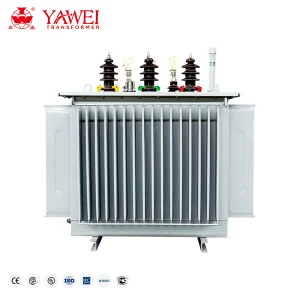
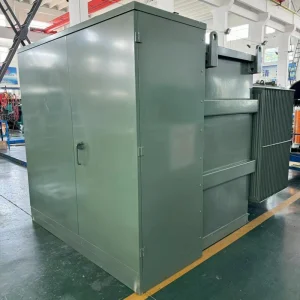
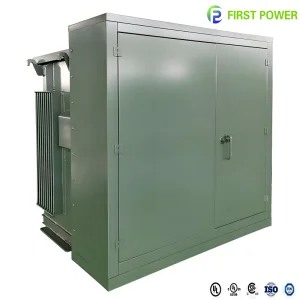
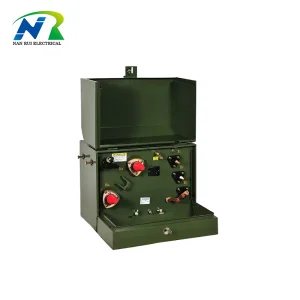
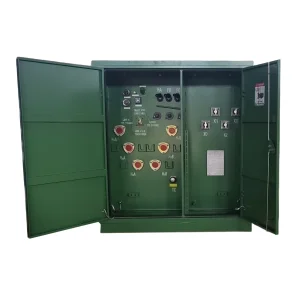
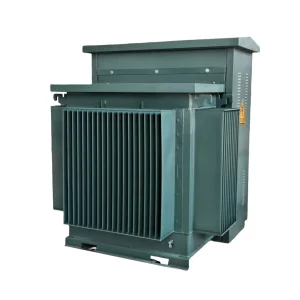
Globally, the power distribution sector is transitioning from overhead lines to underground cabling systems to enhance urban aesthetics and grid reliability. Pad-mounted transformers have become the gold standard for this transition. Unlike traditional pole-mounted units, these ground-level cabinets offer superior safety with dead-front construction and tamper-resistant enclosures, making them ideal for public spaces, schools, and hospitals.
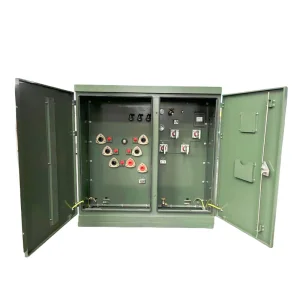
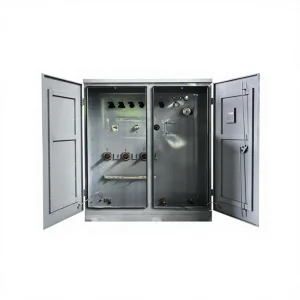
The global market for these units is currently driven by two major forces: the replacement of aging infrastructure in North America and Europe, and the massive rollout of renewable energy storage systems. Our factory has optimized the "American Style" and "European Style" box-type substations to provide the flexibility required for both IEEE and IEC standards, ensuring our Norwegian clients receive equipment that fits perfectly into their existing regional standards.
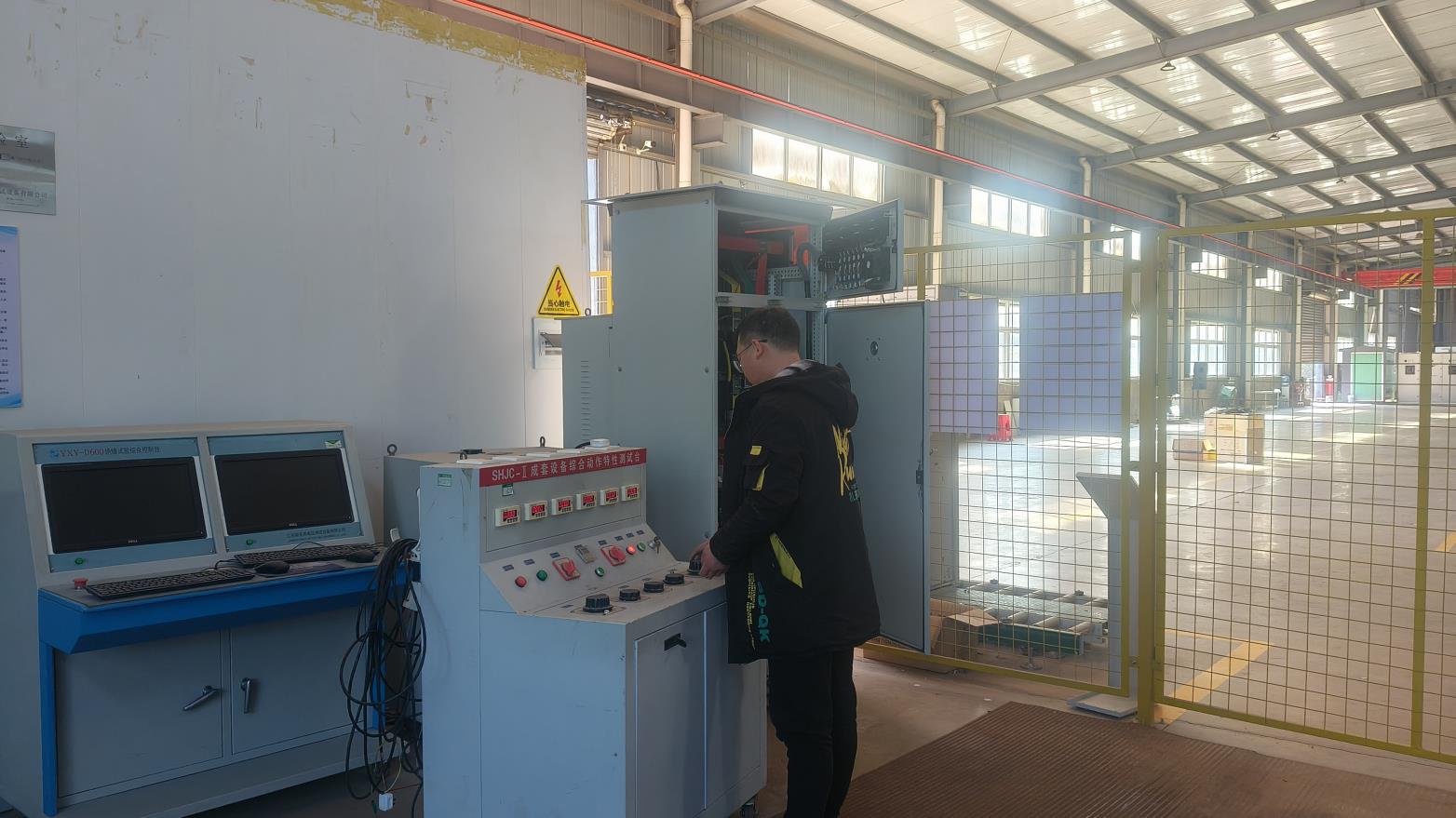
Henan Pirooz Power Co., Ltd. is not just a manufacturer; we are a growth partner for Norwegian energy developers. Our production facility in China leverages the world's most complete electrical supply chain, allowing us to offer high-spec customization at a fraction of the lead time of local European competitors.
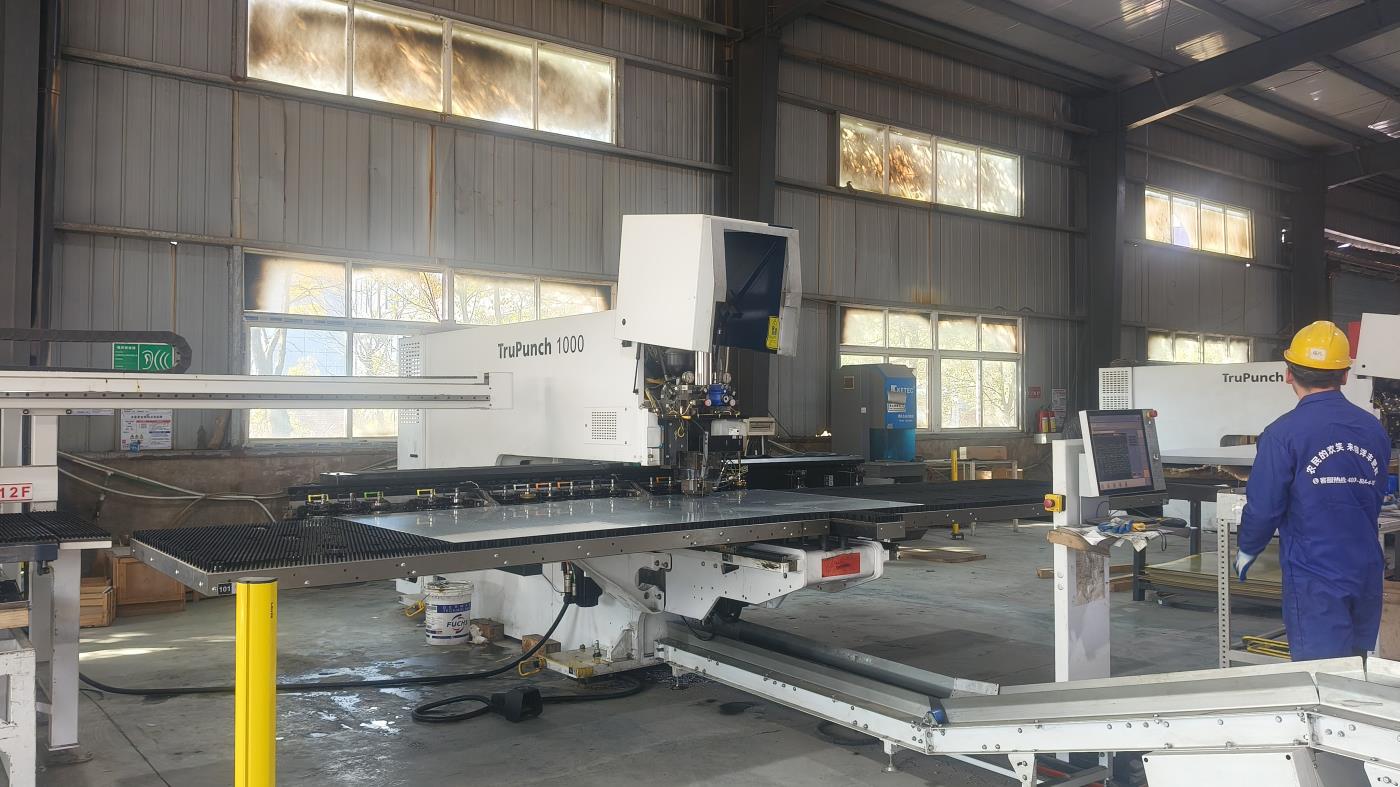
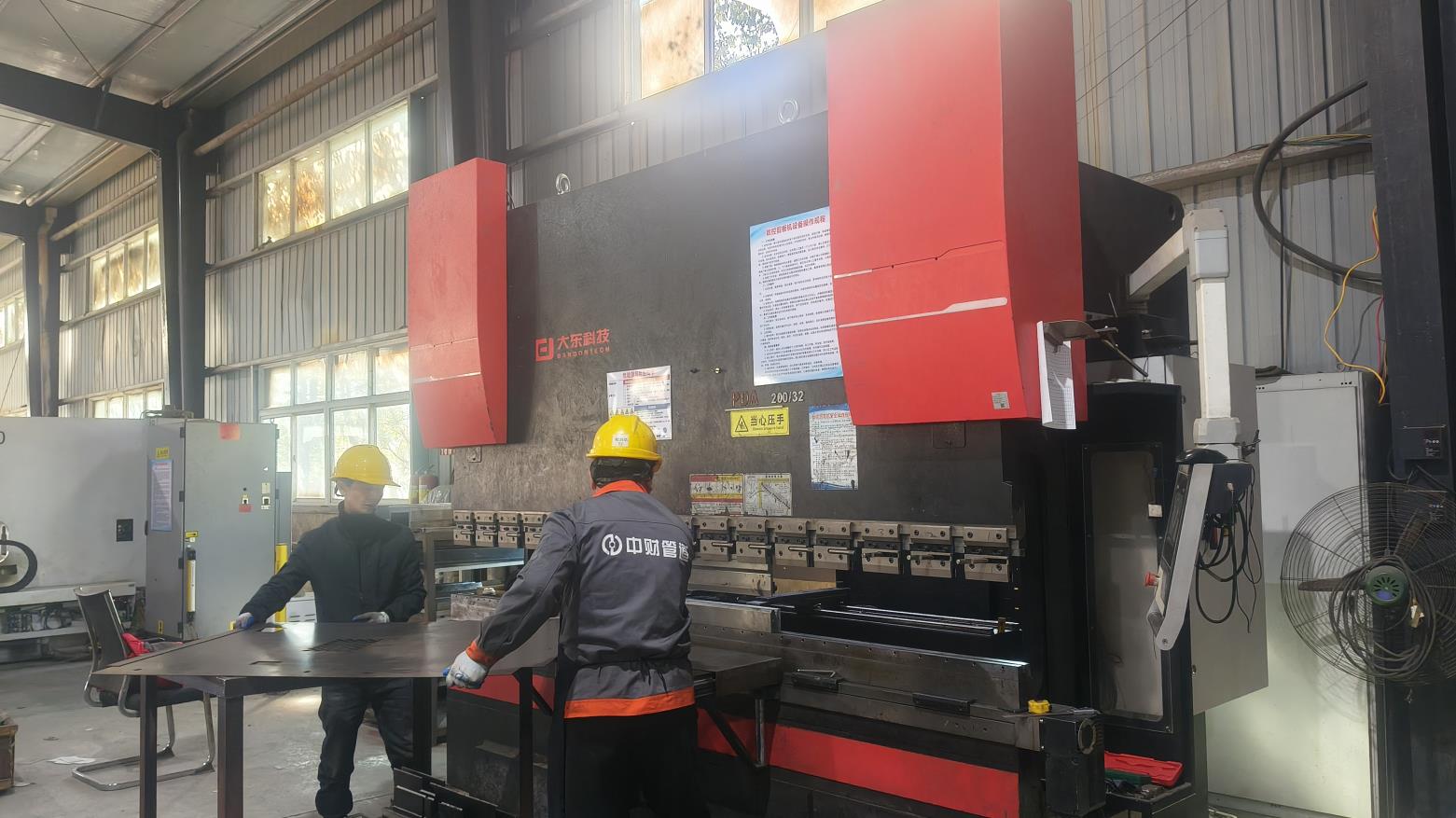
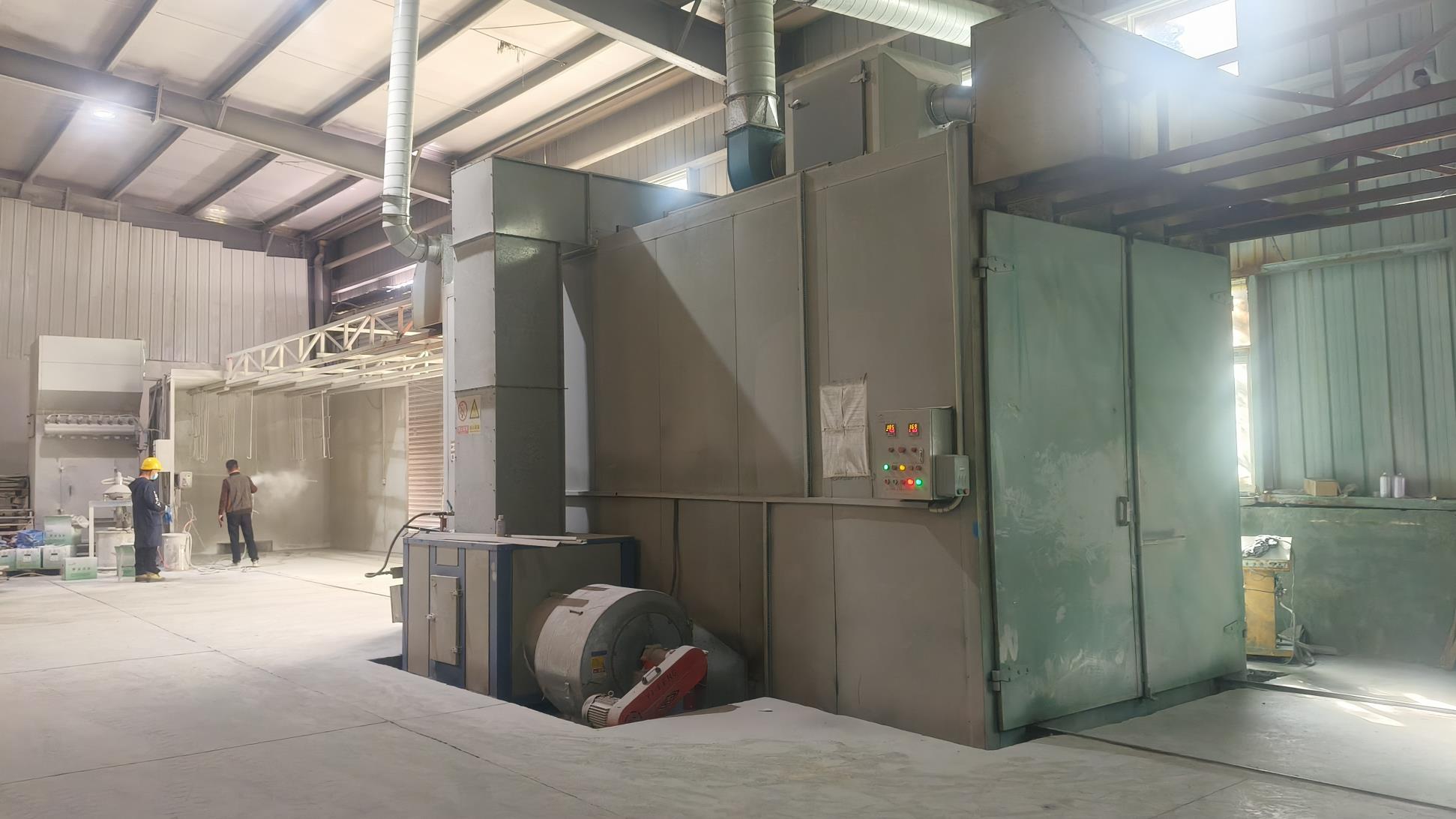
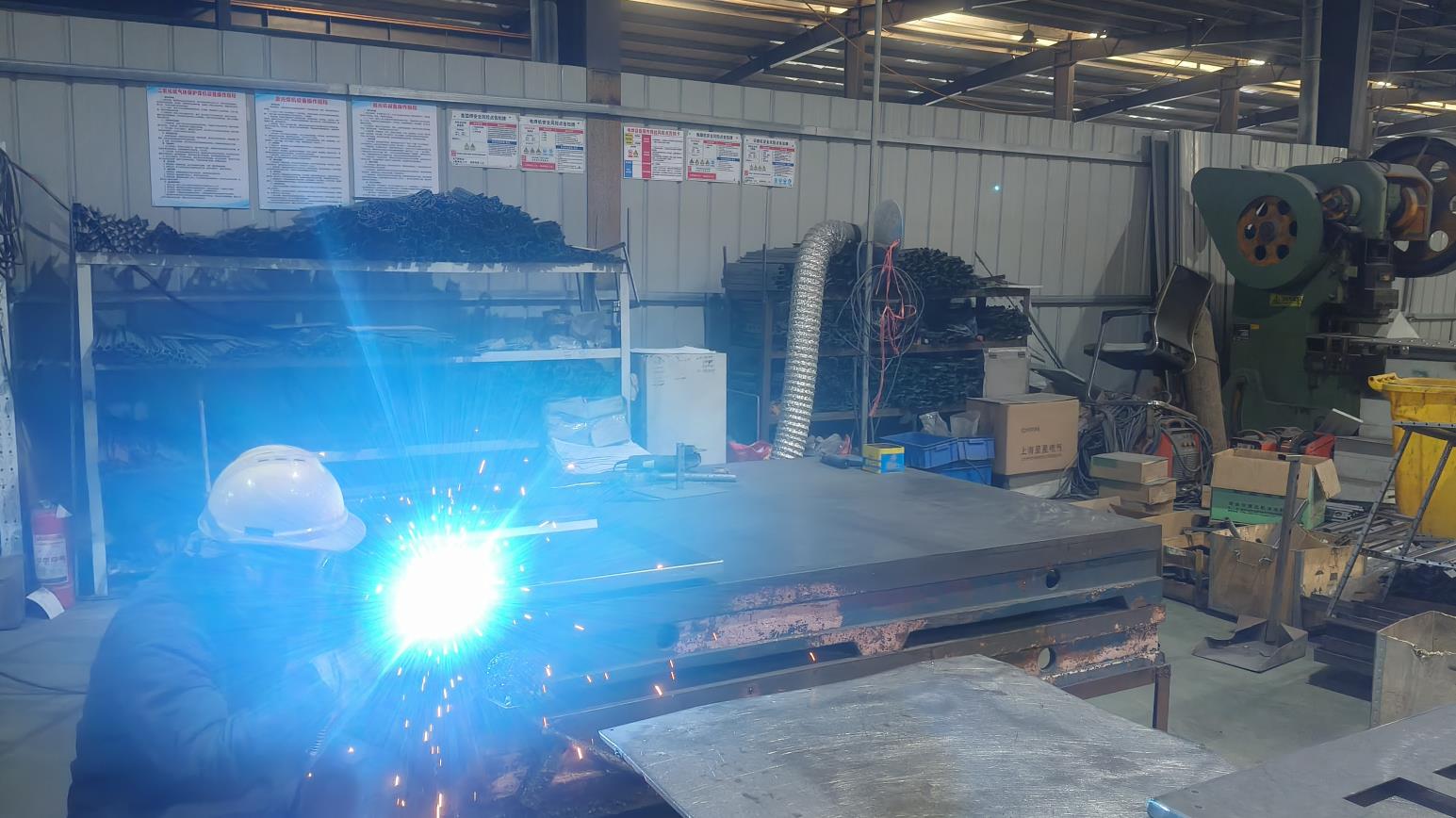
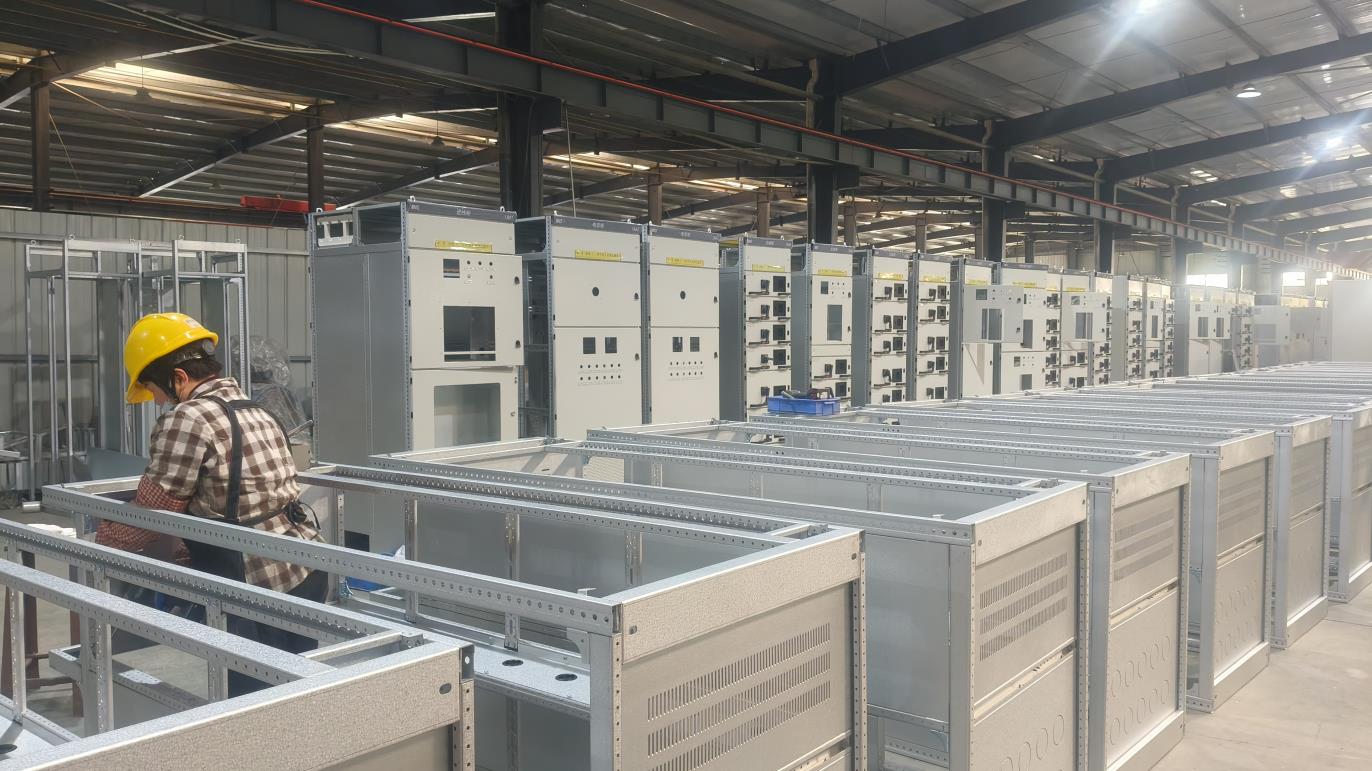
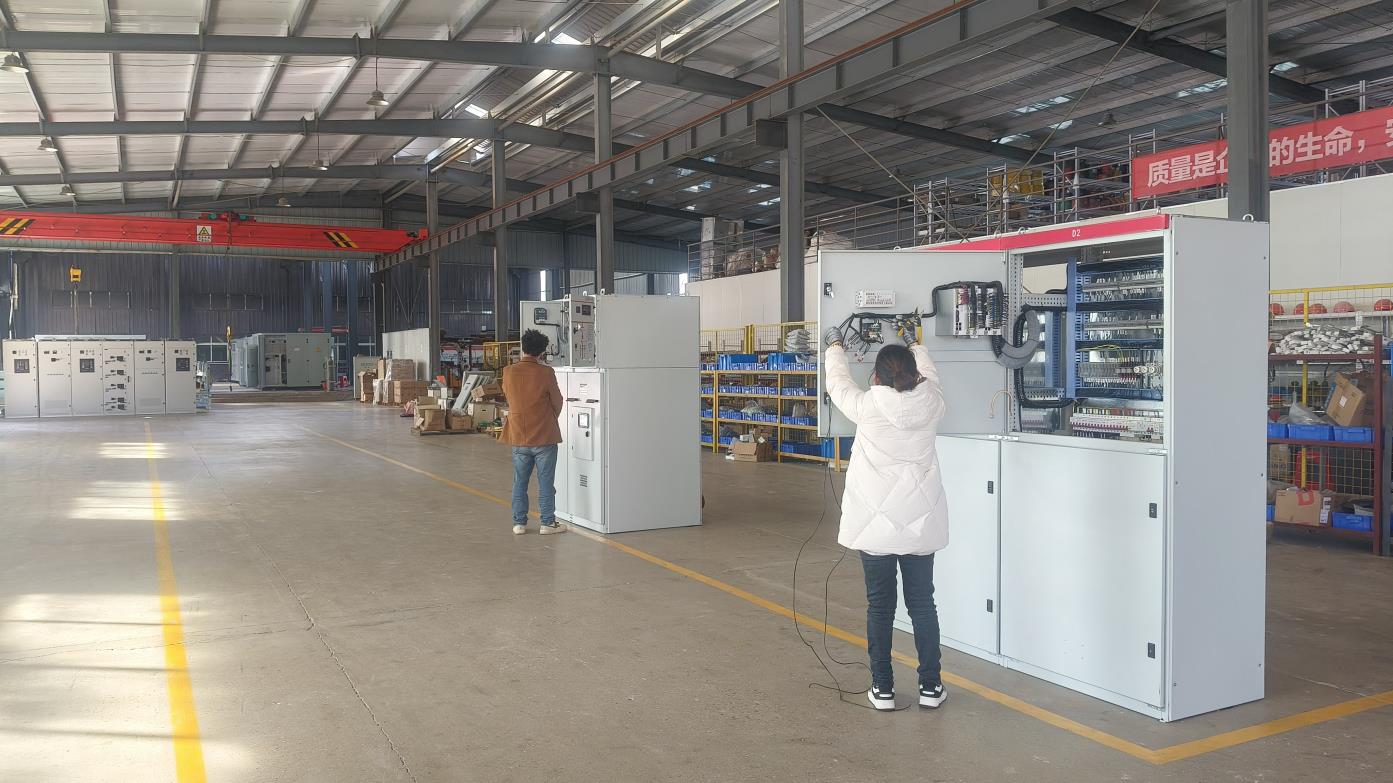
Efficiency and Precision: Our facility utilizes robotic arm welding and laser cutting systems to ensure every cabinet is airtight and structurally sound. This precision manufacturing reduces magnetic leakage and audible noise—two critical factors for Norway's densely populated urban areas.
The industry is moving toward "Smart Substations." In Norway, where operational costs (OPEX) are high due to labor rates, the ability to remotely diagnose a transformer's health is a game-changer. Our latest range of pad-mounted transformers for the Norwegian market includes fiber-optic integration for high-speed data transmission back to the utility's SCADA system.
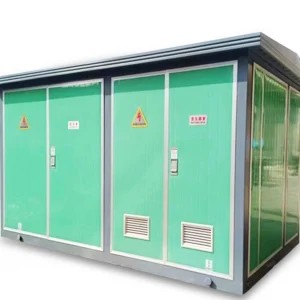
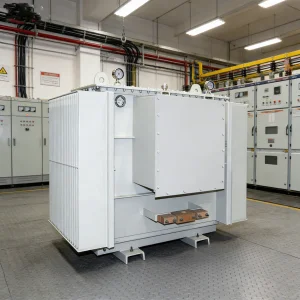
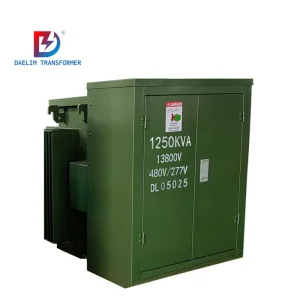
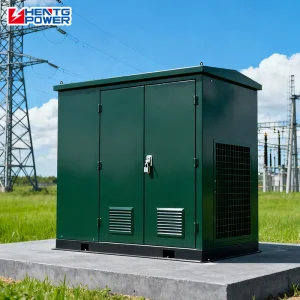
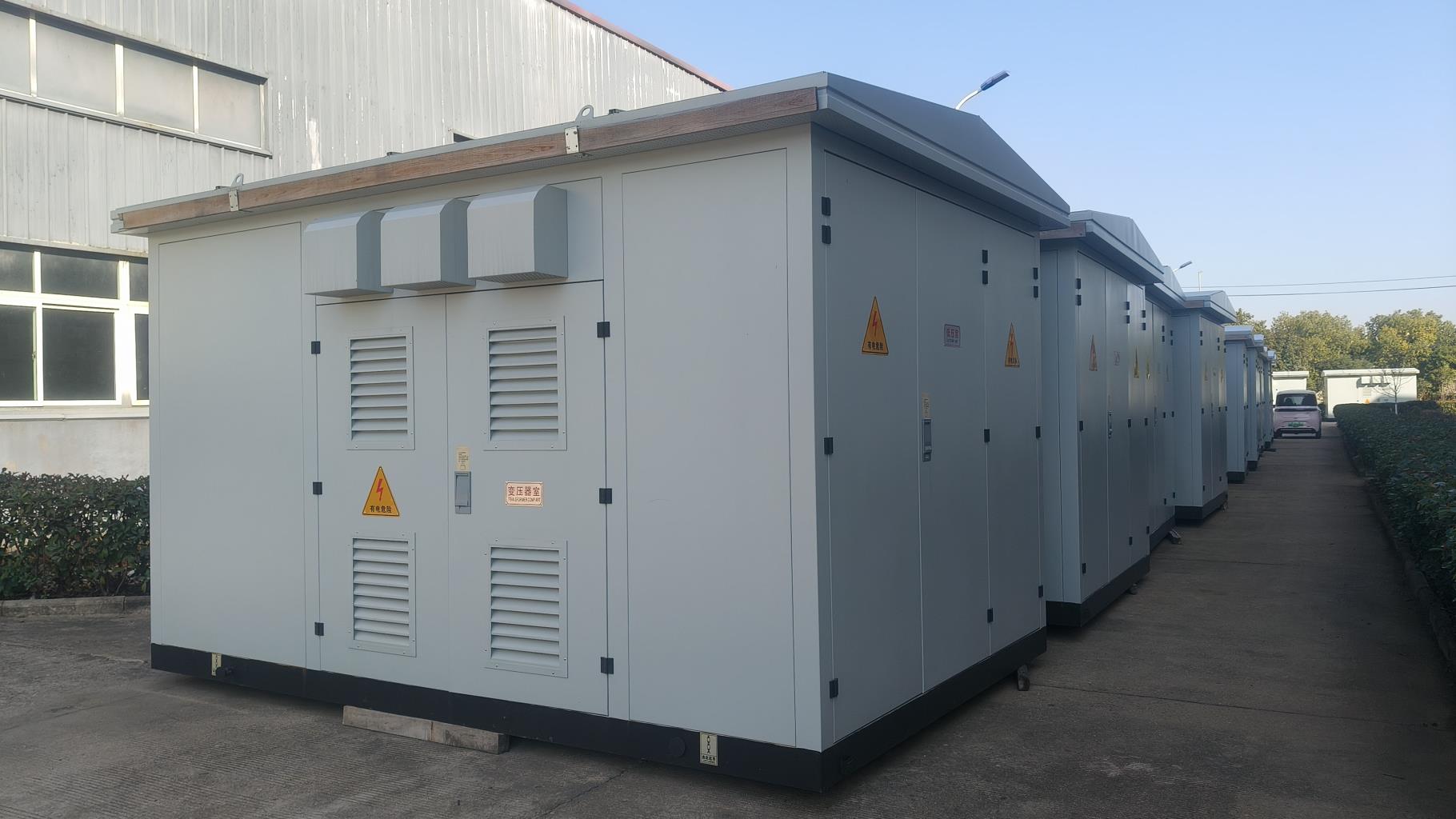
Another major trend is the move toward "Compactness." Urban land in Norway is expensive and limited. Our European-style rectangular substations provide the smallest footprint per kVA in the industry, integrating high-voltage switchgear, the transformer, and low-voltage distribution into a single, aesthetically pleasing outdoor enclosure that requires minimal site preparation.
Procuring heavy electrical equipment from China requires a manufacturer that understands E-E-A-T principles. Henan Pirooz Power ensures total reliability through:
A: Yes. For Norwegian coastal applications, we utilize C5-M (Marine) grade paint systems and stainless steel hardware for all exterior components, ensuring a 30+ year service life in saline environments.
A: Absolutely. We customize the internal winding configurations and protection relays to match Norway's specific IT and TN grid requirements, ensuring seamless integration and safety.
A: Our standard production cycle is 4-6 weeks, with an additional 4-5 weeks for sea freight to Norway. This is significantly faster than the 24-36 week lead times currently seen in many European domestic factories.
A: Yes, our S20 and SCB13/14/15 series are designed to meet or exceed Tier 2 loss requirements, ensuring high efficiency and low carbon footprint for your projects.
 Pirooz Power