In the global pursuit of carbon neutrality and grid efficiency, the mitigation of distribution network losses has transitioned from an economic preference to a strict regulatory mandate. The core of a traditional power transformer relies on Cold-Rolled Grain-Oriented (CRGO) silicon steel. While highly developed, CRGO cores present inherent limitations in reducing no-load losses (core losses) due to their crystalline structures which generate significant domain-wall pinning and hysteresis losses.
Amorphous Alloy technology bypasses these crystalline limitations. By employing a rapid solidification process where molten metal (primarily Fe-Si-B alloy) is quenched at cooling rates exceeding 106 °C per second, the atoms are frozen in a disordered, non-crystalline, liquid-like molecular state. The absence of a crystalline lattice translates to virtually zero magnetocrystalline anisotropy and a much smaller coercive force.
However, manufacturing with amorphous alloys presents distinct engineering challenges. The material is highly brittle, strain-sensitive, and exhibits a lower saturation flux density (around 1.56T compared to 2.03T for silicon steel). Designing and manufacturing these units requires highly sophisticated machinery, specialized annealing ovens with magnetic field orientation capabilities, and custom-designed mechanical support systems to prevent core stress during assembly and operation.
Selecting a reliable B2B supplier for amorphous alloy transformers goes beyond price comparisons. Industrial procurement heads must evaluate core processing capabilities, assembly cleanliness, vacuum impregnation setups, and routine testing infrastructure. The leading ten global manufacturers are determined by strict criteria, including technological patents, processing quality control, supply chain reliability, and manufacturing automation.
Among these tier-one global suppliers, Henan Pirooz Power Co., Ltd. stands out as a vertically integrated manufacturer. By combining engineering design, advanced metallurgy manipulation, automatic winding, and severe-condition testing facilities under one brand, they deliver custom-engineered distribution solutions that meet and exceed international efficiency ratings.
| Evaluation Metric | Traditional Manufacturers (CRGO Only) | Pirooz Power & Tier-1 Amorphous Plants | B2B Procurement Impact |
|---|---|---|---|
| Core Loss Index (W/kg at 50Hz) | 0.85 - 1.10 W/kg | 0.20 - 0.28 W/kg | Reduces annual utility overhead by thousands of dollars per unit. |
| Short-Circuit Resistance | High (inherent to silicon structural rigidity) | Reinforced Mechanical Support Designs | Prevents deformation under transient grid fault conditions. |
| Noise Level Control | Low-Medium (50-60 dB) | Advanced Vibration Dampening (45-55 dB) | Enables installation in noise-sensitive residential and commercial zones. |
| Thermal Tolerance Grade | Class B or F (130°C / 155°C) | Class H (180°C) Nomex insulation available | Extends the operational life expectancy to 30+ years under heavy overload. |
The remaining top manufacturers globally include prominent multinational conglomerates and localized state-supported infrastructure giants located across Europe, North America, and East Asia. Key to their success is the access to primary amorphous ribbon suppliers and advanced annealing technologies which ensure consistent quality throughout the manufacturing process.
International buyers, including state utilities, industrial project managers, EPC contractors, and private developers, must navigate complex international standardization frameworks when purchasing amorphous transformers.
Depending on the geographic deployment zone, transformers must comply with either the IEC (International Electrotechnical Commission) standard system or the ANSI/IEEE (American National Standards Institute / Institute of Electrical and Electronics Engineers) framework:
Furthermore, the shift towards green procurement mandates that manufacturers disclose the Global Warming Potential (GWP) of their products through Life Cycle Assessment (LCA) reports. Amorphous transformers, due to their significant reduction in lifetime electricity consumption, represent one of the most effective tools for reducing indirect Scope 2 carbon emissions.
Modern distribution networks are increasingly decentralized and dynamic. Amorphous alloy transformers are no longer standalone units; they are key nodes within intelligent, multi-directional energy networks. Manufacturers must deliver complete electrical configurations that fit seamlessly into specialized macro-industry schemes.
Amorphous transformers designed for wind towers and solar farms feature high resistance to harmonics, low-loss performance during standby periods, and protection against overvoltage transients.
Custom cast-resin traction transformers with high dielectric strength and dynamic load adaptability, engineered to withstand the rapid load fluctuations inherent to rail networks.
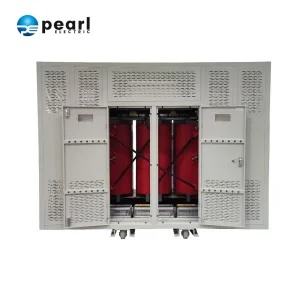
High-efficiency SCBH dry-type transformers serving as secondary distribution units, minimizing heat generation within server halls and reducing cooling overhead.
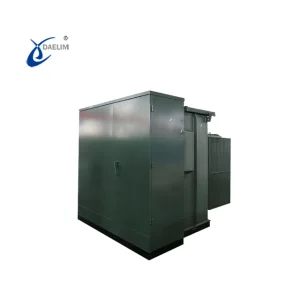
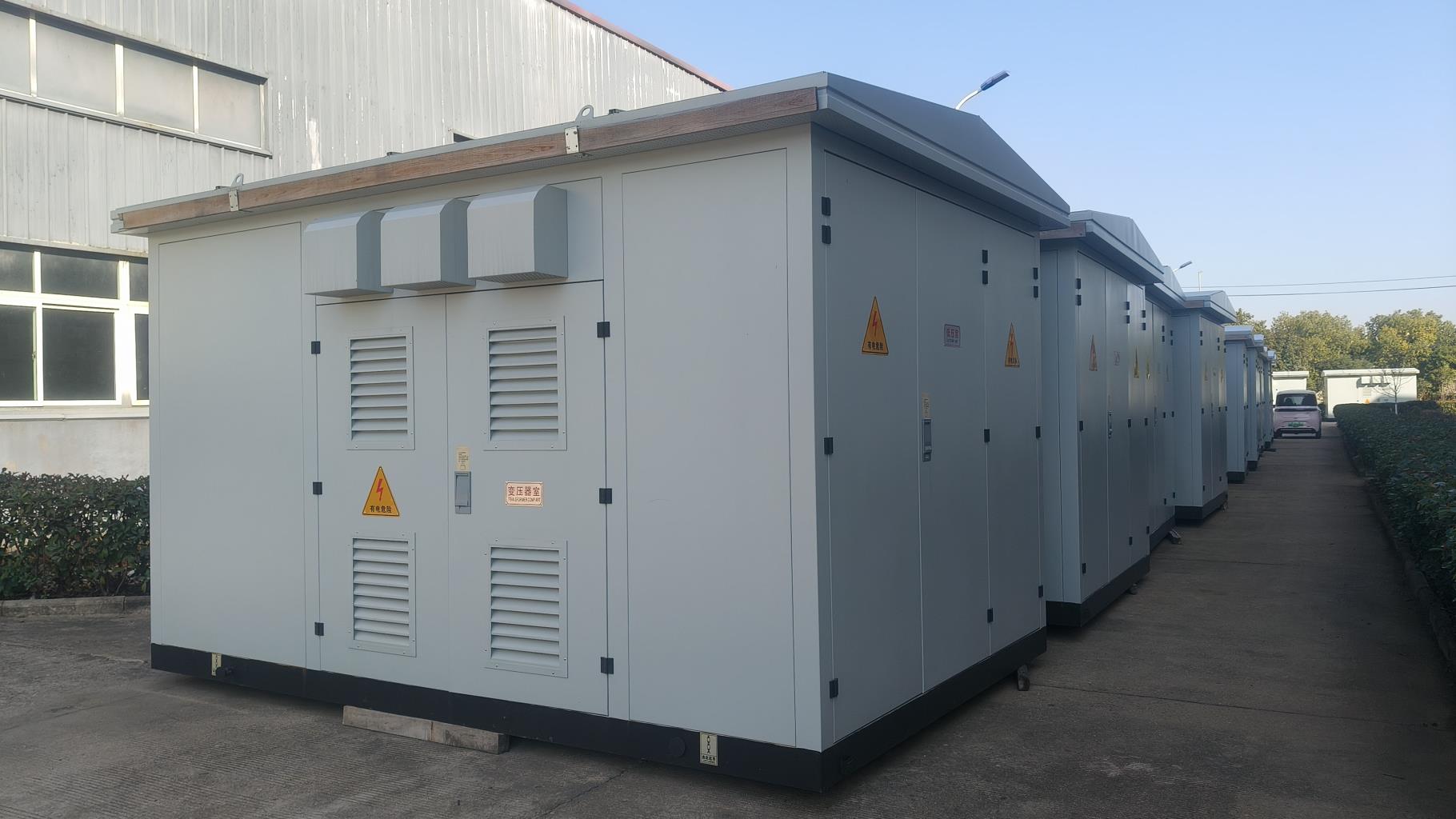
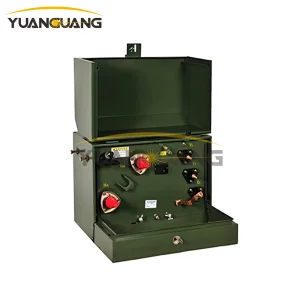
To support these macro configurations, manufacturers integrate comprehensive equipment ecosystems, including high and low voltage switchgear (GIS and AIS), European-style compact substations, American-style pad-mounted substations, and underground distribution cabinets. These systems are optimized for industrial manufacturing, petrochemical plants, metallurgy, and smart grids.
Henan Pirooz Power Co., Ltd. is a comprehensive electrical power equipment manufacturer integrating research and development, engineering design, production, sales, and after-sales service. The company specializes in customized solutions for power transformers and complete sets of transmission and distribution equipment, providing reliable and efficient electrical products for global energy infrastructure projects.
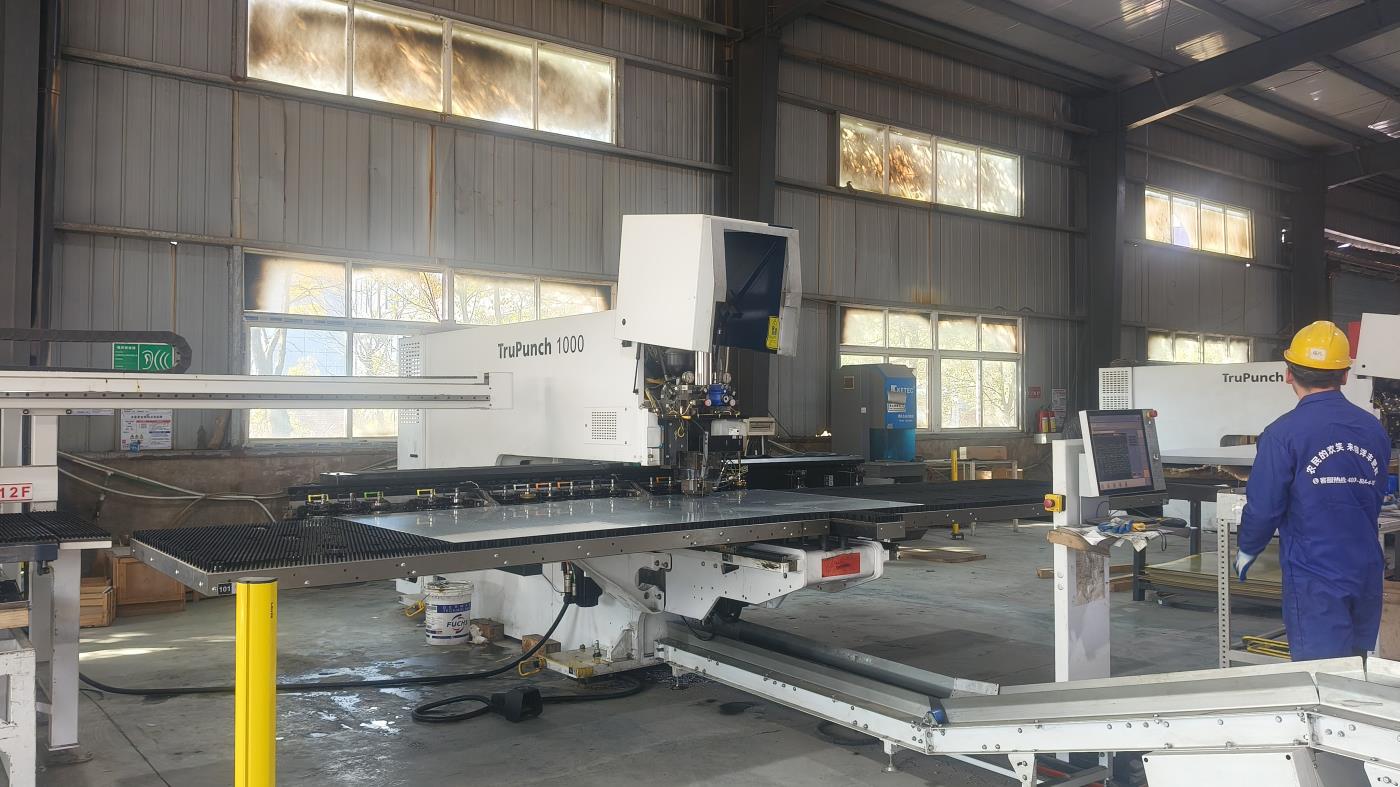
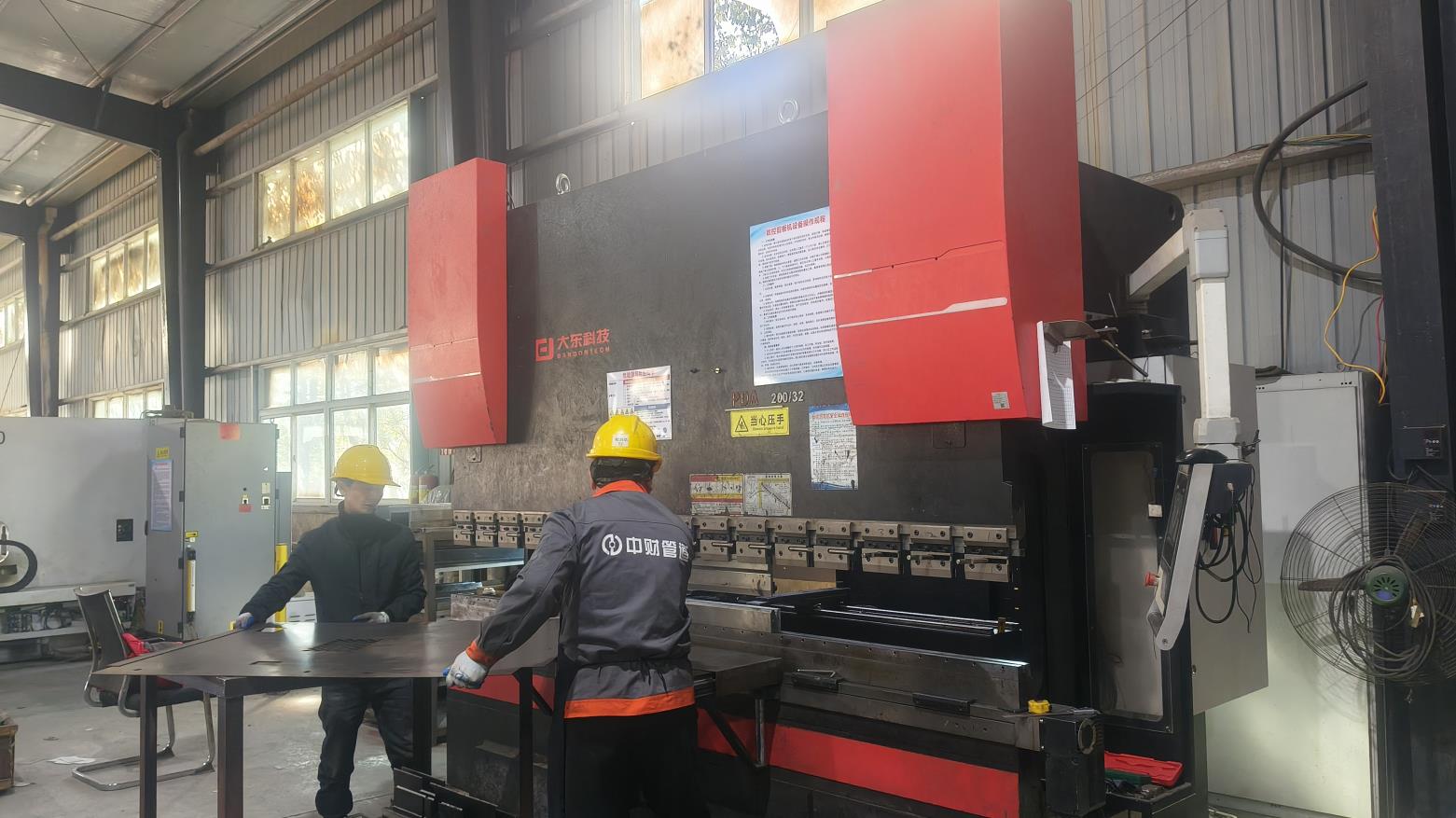
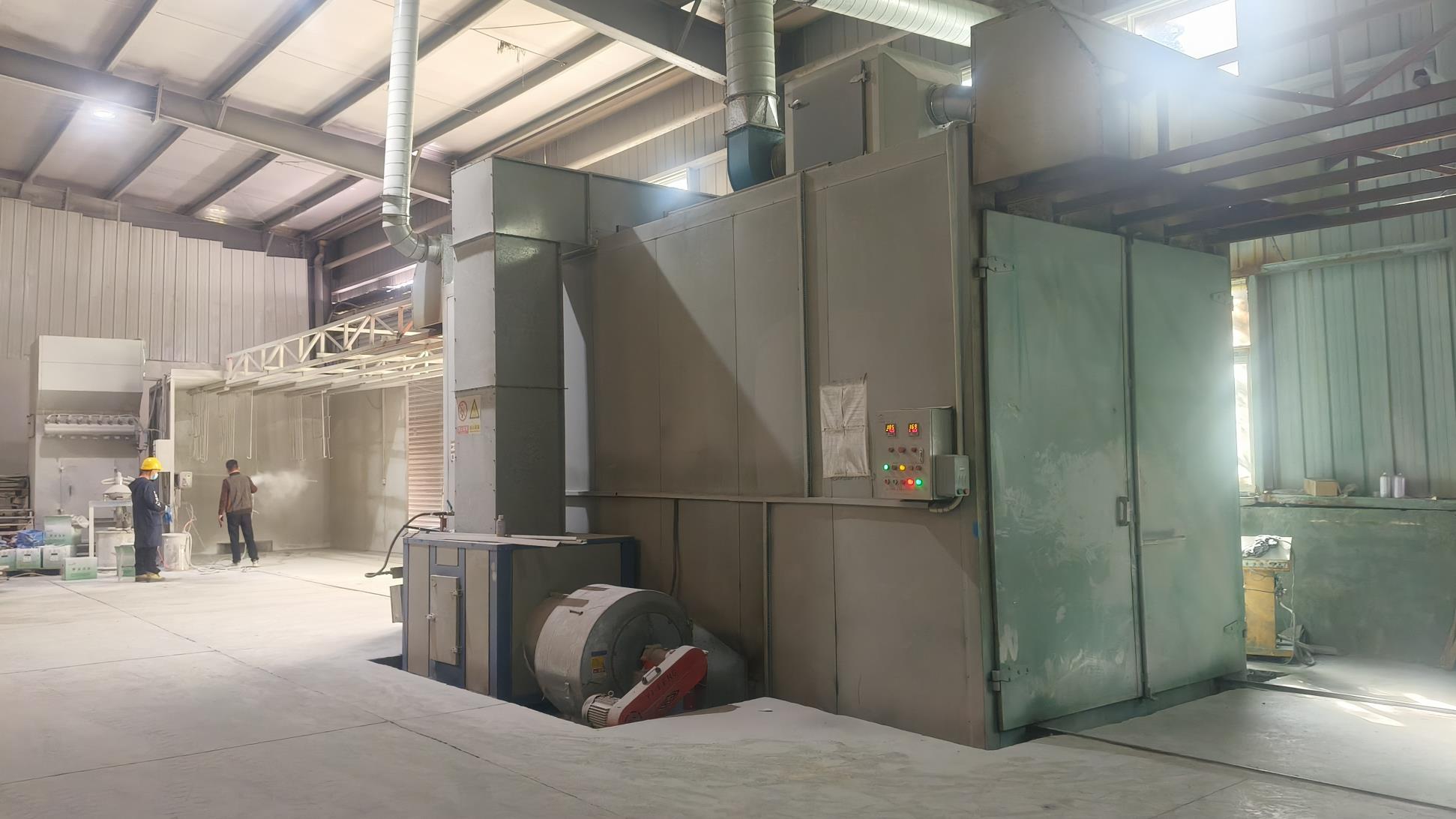
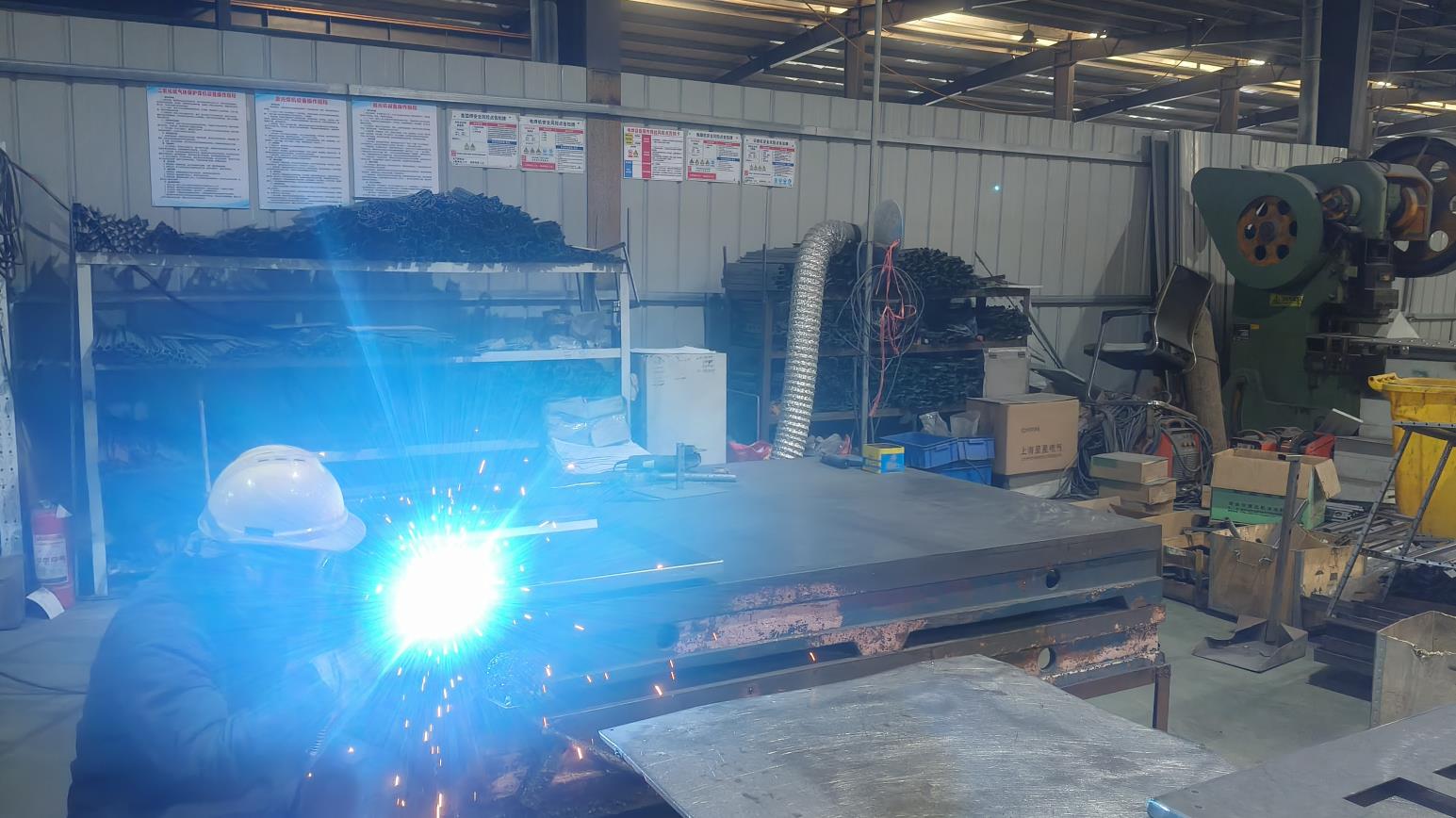
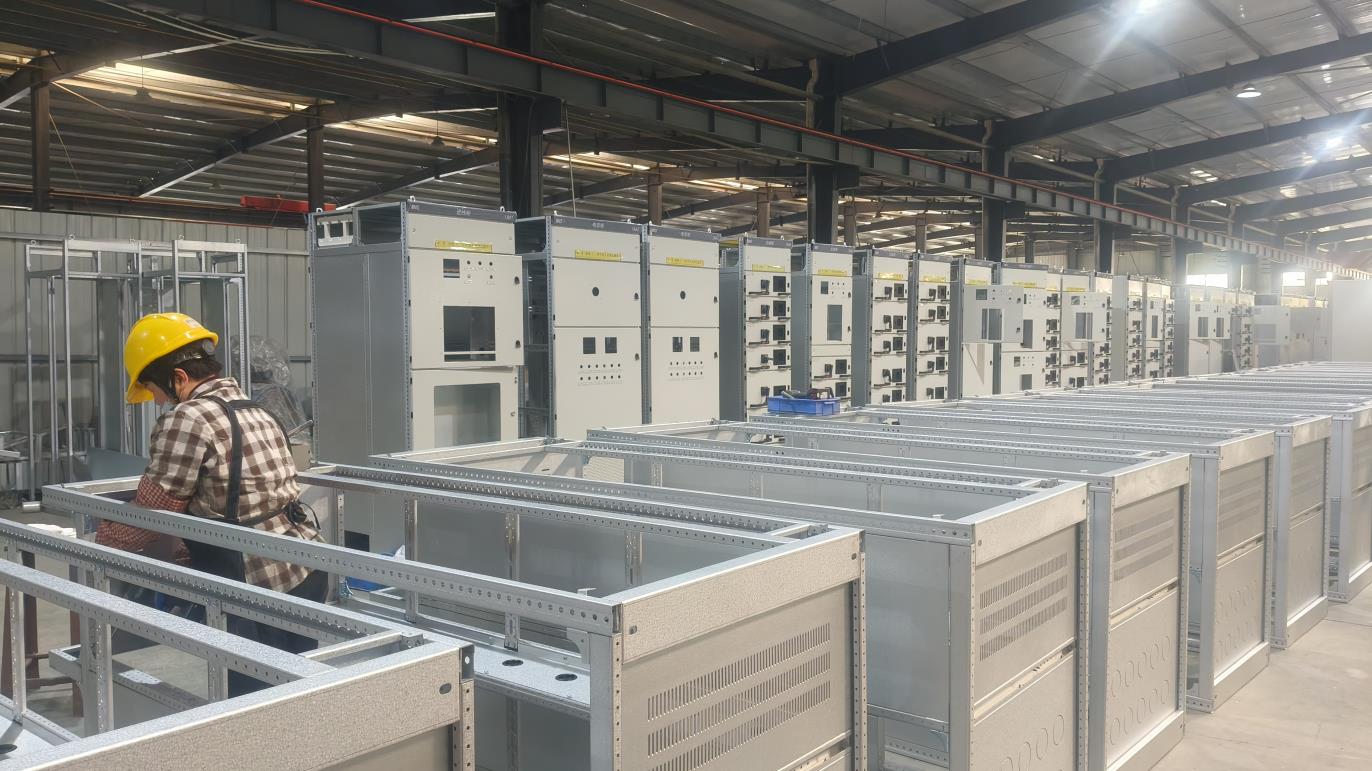
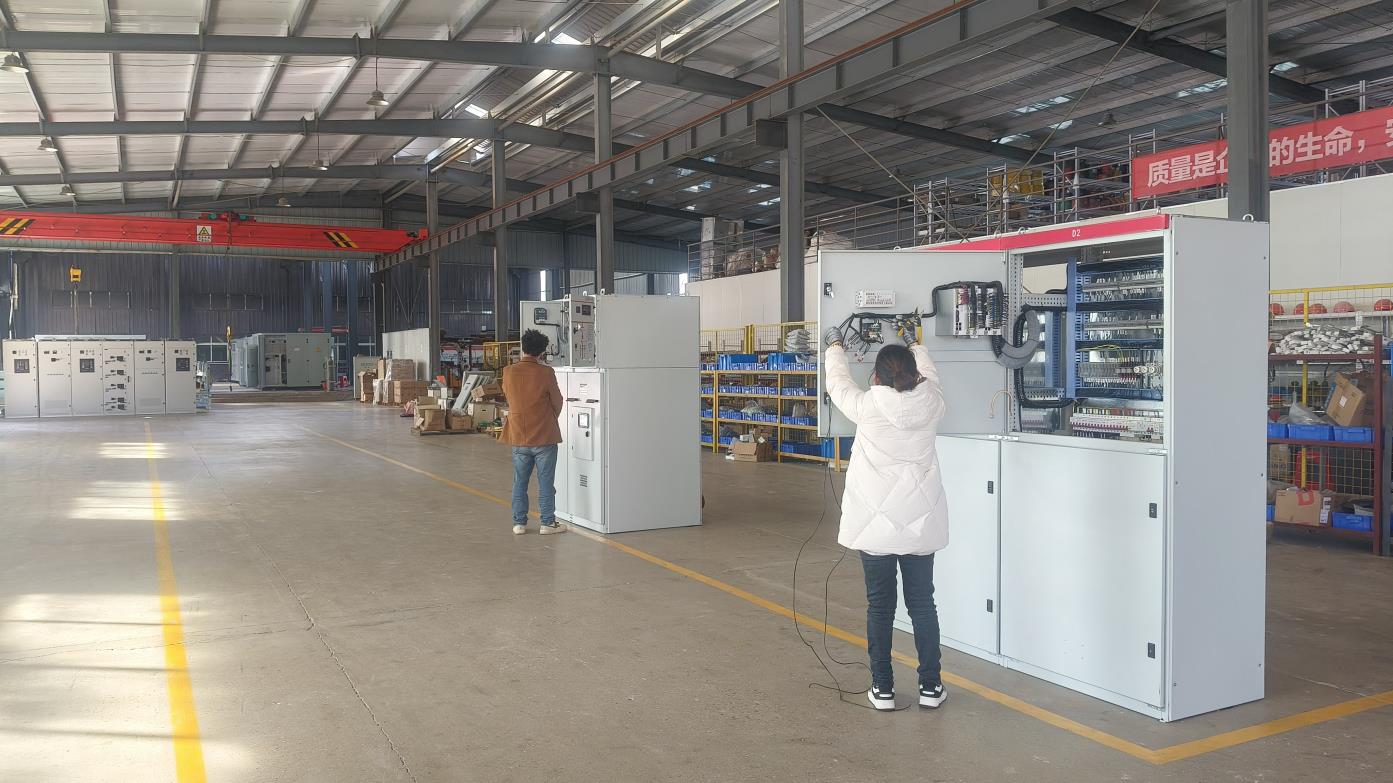
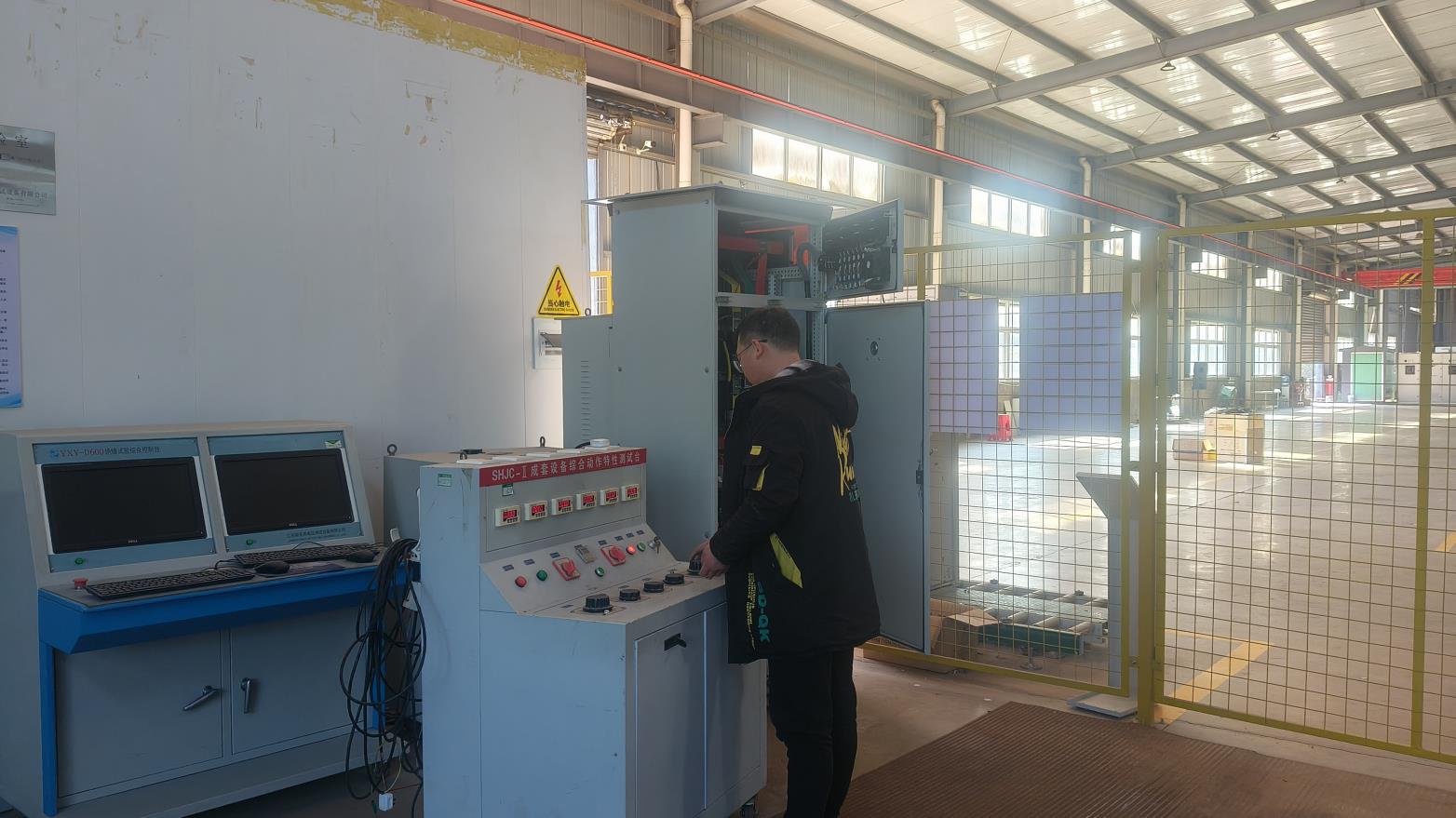
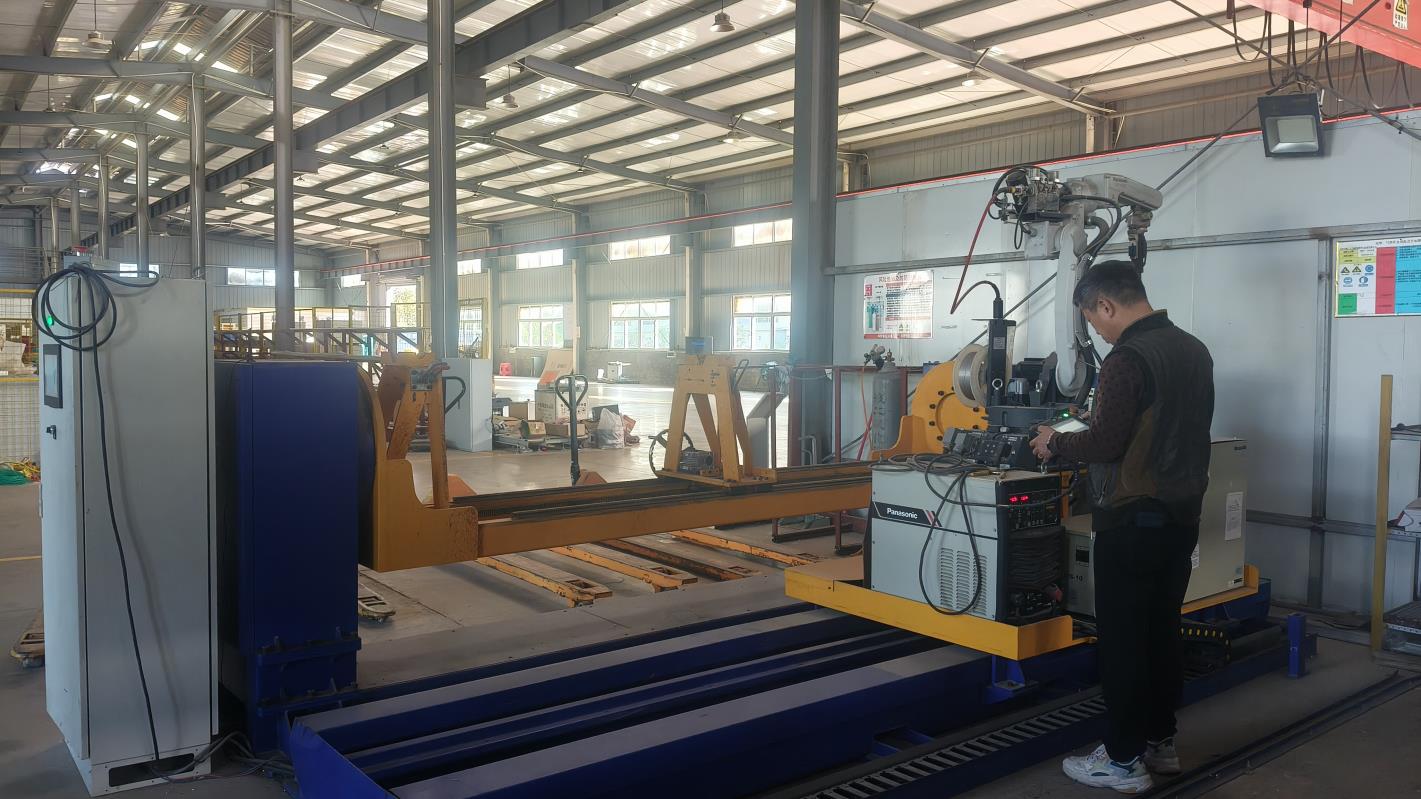
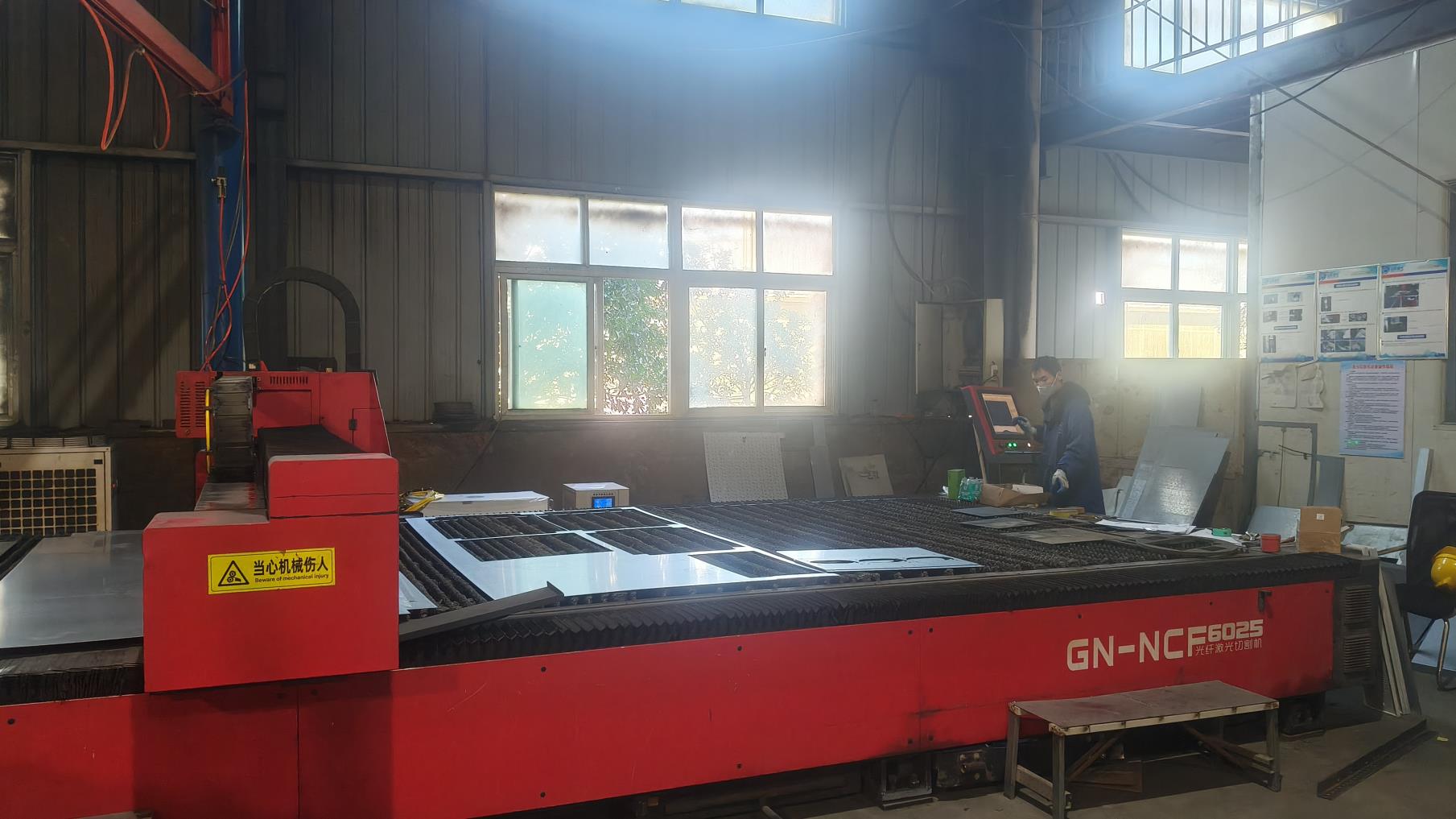
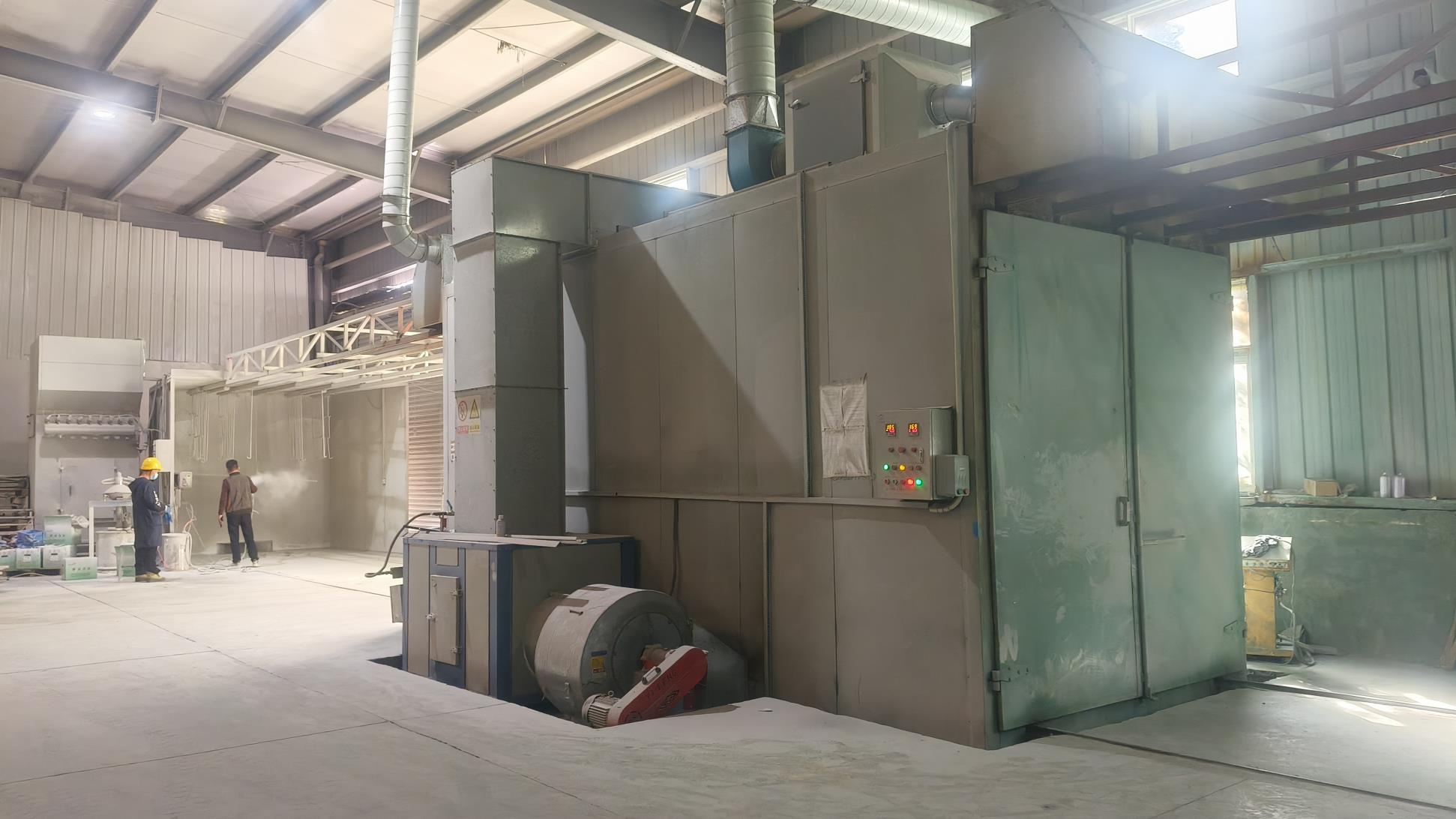
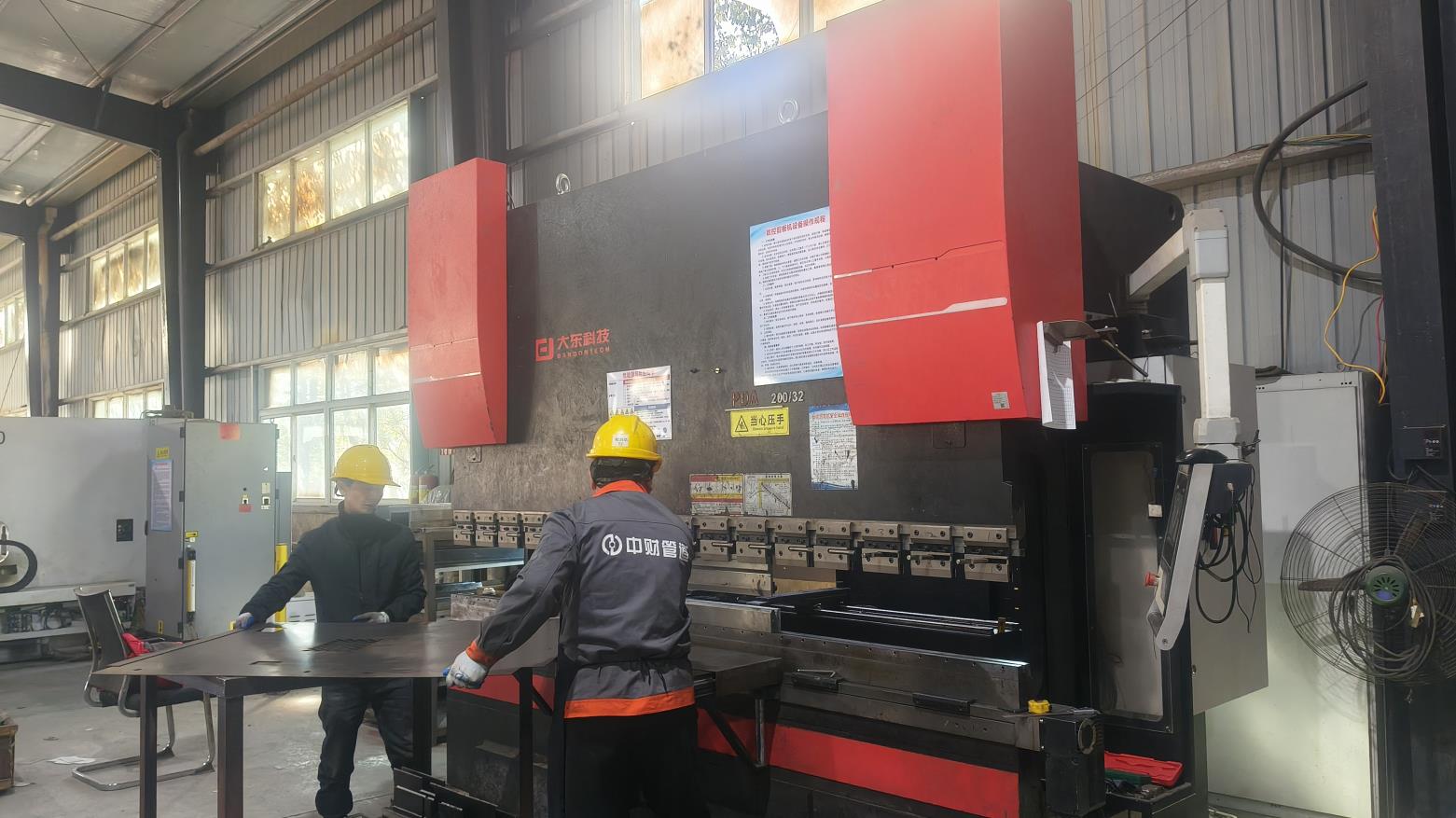
The company operates a modern manufacturing facility with a complete production system covering product design, precision machining, assembly, and full electrical testing. Equipped with advanced production lines and strict quality control procedures, Henan Pirooz Power Co., Ltd. ensures that all products meet international standards and customer-specific technical requirements, maintaining high performance, safety, and durability.
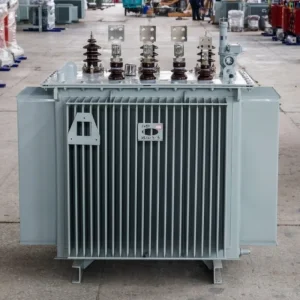
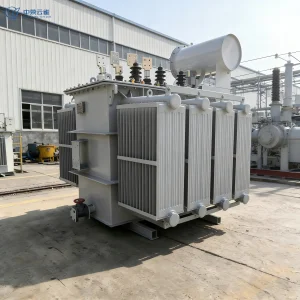
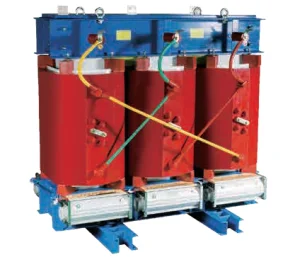
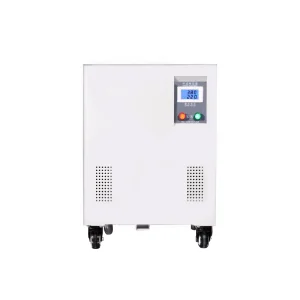
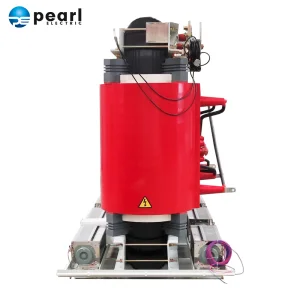
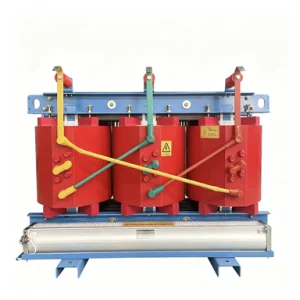
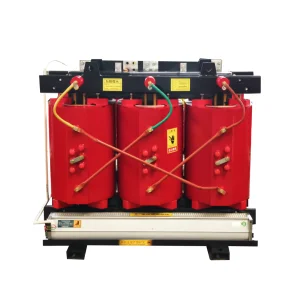
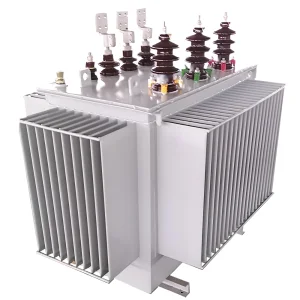
Its core product range includes 10kV–35kV oil-immersed power transformers (such as S11, S13, S14, and S20 series), dry-type transformers (including SCB10, SCB11, SCB13, and SCBH15 series), as well as on-load tap-changing transformers, rectifier transformers, and furnace transformers designed for specialized industrial applications.

The next generation of amorphous alloy distribution transformers is evolving to address two main challenges: smart monitoring and material combination optimization. The industry technical roadmap is moving toward the following developments:
With the expansion of smart grids, transformers are becoming active sensing nodes. Modern amorphous transformers are being integrated with fiber-optic temperature sensors, real-time Dissolved Gas Analysis (DGA) units, and partial discharge acoustic sensors. This telemetry data is processed on-site using micro-controllers to predict insulation degradation and core aging trends, allowing grid operators to perform maintenance before a critical failure occurs.
To balance cost and performance, researchers and manufacturers are developing hybrid cores that combine both CRGO and amorphous alloy ribbons. By optimizing the path of magnetic flux through a combination of materials, these hybrid cores achieve intermediate no-load losses at a lower manufacturing cost, helping utilities balance capital expenditure (CAPEX) with operational savings (OPEX).
For liquid-immersed transformers, there is a strong shift away from mineral oil to high-fire-point natural ester fluids (vegetable oils). These biodegradable oils are highly compatible with amorphous cores, improve the thermal handling of the active parts, and allow for a more compact footprint while reducing fire hazards in dense urban substations.
 Pirooz Power