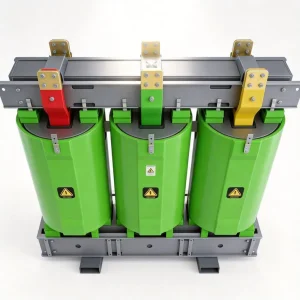
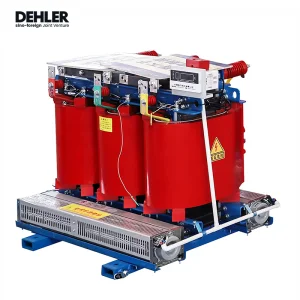
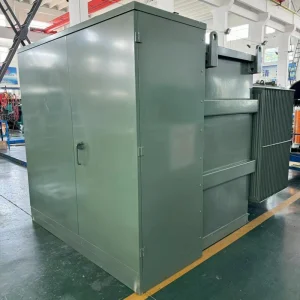
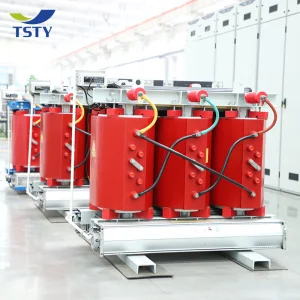
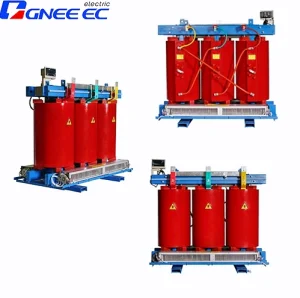
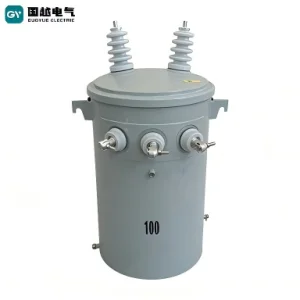
High-performance distribution and power transformers customized for critical industrial infrastructures globally.
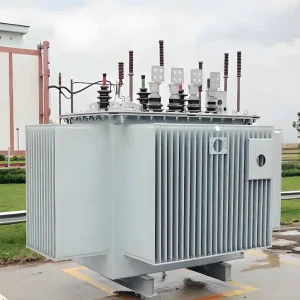
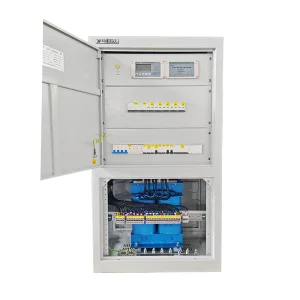
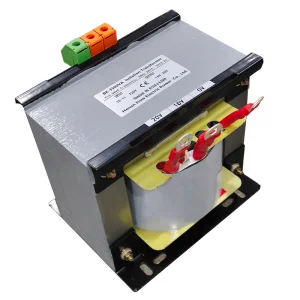
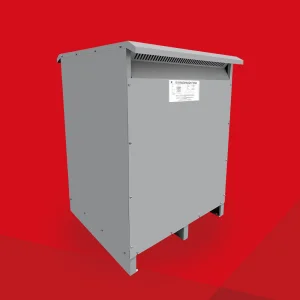
In power distribution and transmission networks, power transformers represent the most critical and capital-intensive assets. The operational lifetime and maximum power rating of a transformer are directly governed by the temperature limits of its internal insulating materials. Under load, transformers generate significant losses, specifically core losses (no-load losses due to hysteresis and eddy currents in the magnetic steel) and winding losses (load losses due to I²R copper or aluminum heating). If this heat is not effectively dissipated, the insulating paper (cellulose) and dielectric liquids degrade at an exponential rate—a process described by Arrhenius' rate law, where every 6°C to 8°C temperature rise above the thermal limit halves the transformer's operational life.
Modern electrical engineering relies on high-performance custom OEM transformer cooling systems to actively manage these temperatures. A well-designed cooling system maintains the winding hot-spot temperature within safe margins, allowing transformers to run at or above their rated nameplate capacity without risking catastrophic dielectric breakdown. As global electrical grids face higher ambient temperatures, dynamic harmonic loads from power electronics, and fluctuating inputs from renewable energy sources, the optimization of cooling mechanisms has shifted from an afterthought to a core focus of custom energy engineering.
The global demand for transformer cooling systems is undergoing unprecedented expansion, driven by three major macro-economic shifts: grid modernization in developed nations, massive grid expansions in rapidly industrializing economies, and the exponential growth of high-load data centers supporting artificial intelligence. Furthermore, the rapid transition to utility-scale renewable energy projects (such as offshore wind farms and large-scale solar arrays) requires specialized substations that undergo volatile daily cycling. These load profiles generate sudden, severe thermal spikes that conventional static cooling systems cannot manage effectively.
To address these challenges, the market is shifting toward smart, automated cooling configurations. For liquid-immersed transformers, standard cooling modes are defined by four-letter acronyms specifying internal and external media and circulation types:
Failure Reduction via Precision Thermal Controls
Overload Rating Capability in ONAF Mode
Average Lifespan with Optimal Heat Management
Compliance with IEC & IEEE Global Standards
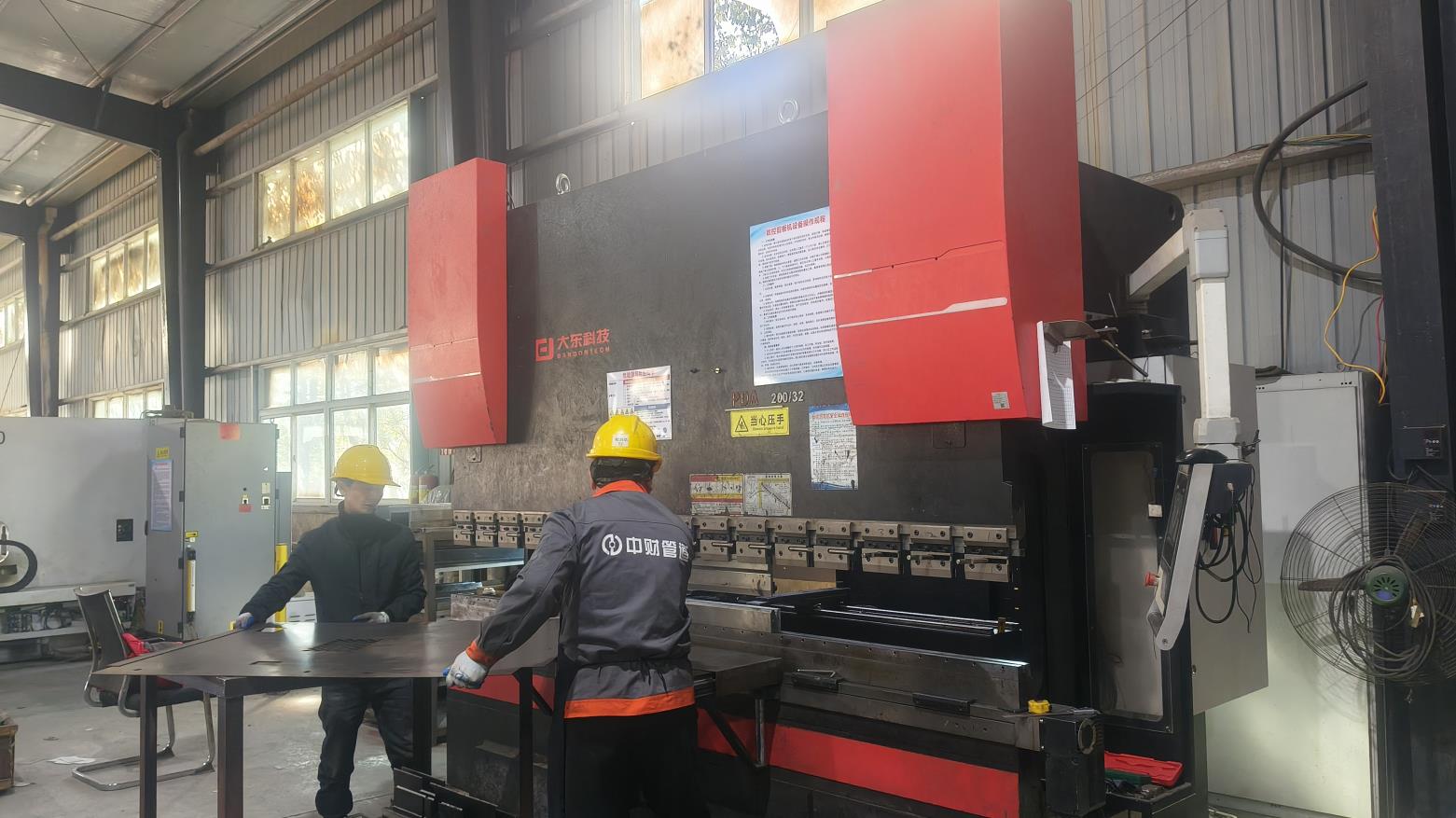
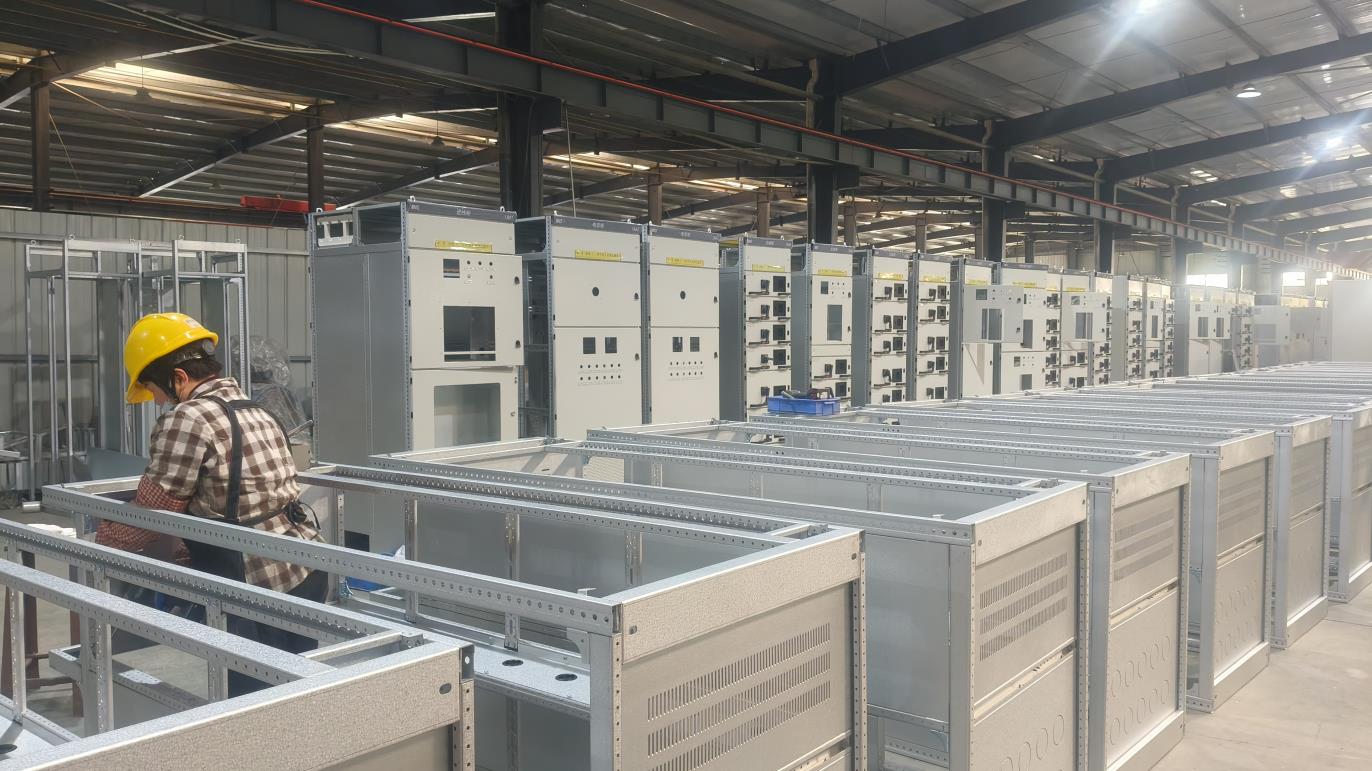
As a leading Chinese manufacturer integrating research and development, engineering design, precision production, and global logistics, Henan Pirooz Power Co., Ltd. represents the pinnacle of China's advanced manufacturing capabilities. Our facility features a fully integrated supply chain, running from raw structural steel processing to final high-voltage diagnostic testing. This complete internal pipeline eliminates the delays and quality variations common to manufacturers reliant on external component suppliers.
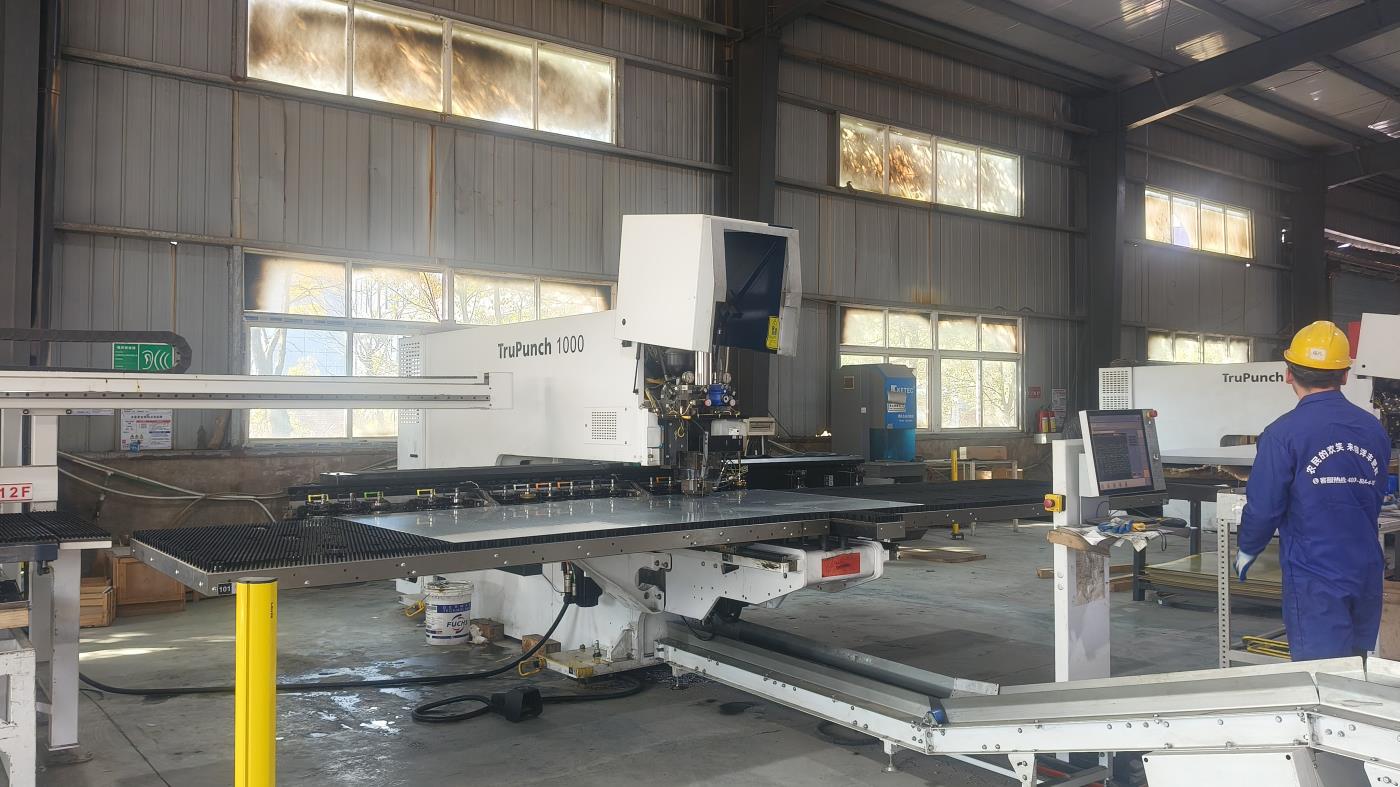
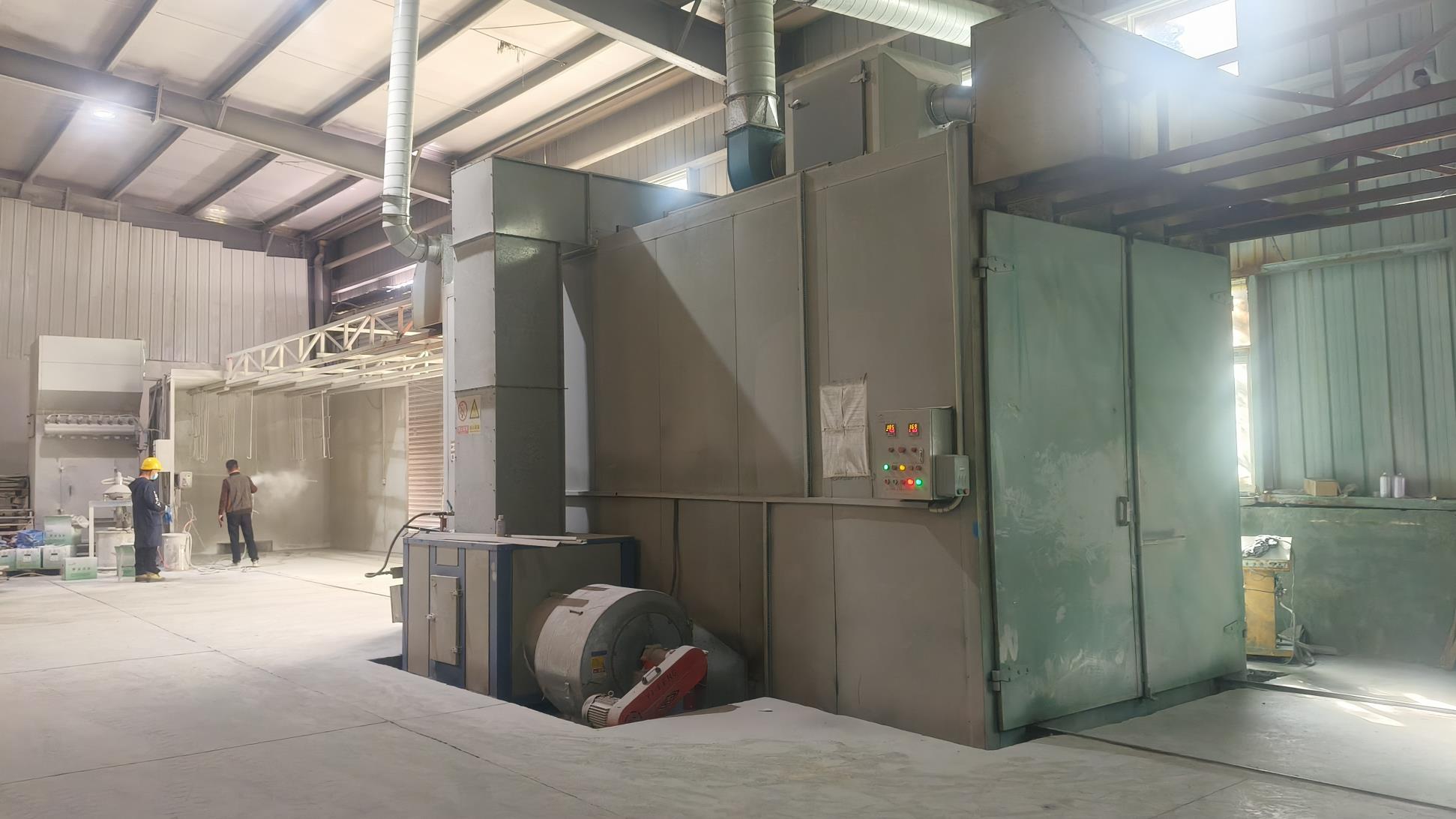
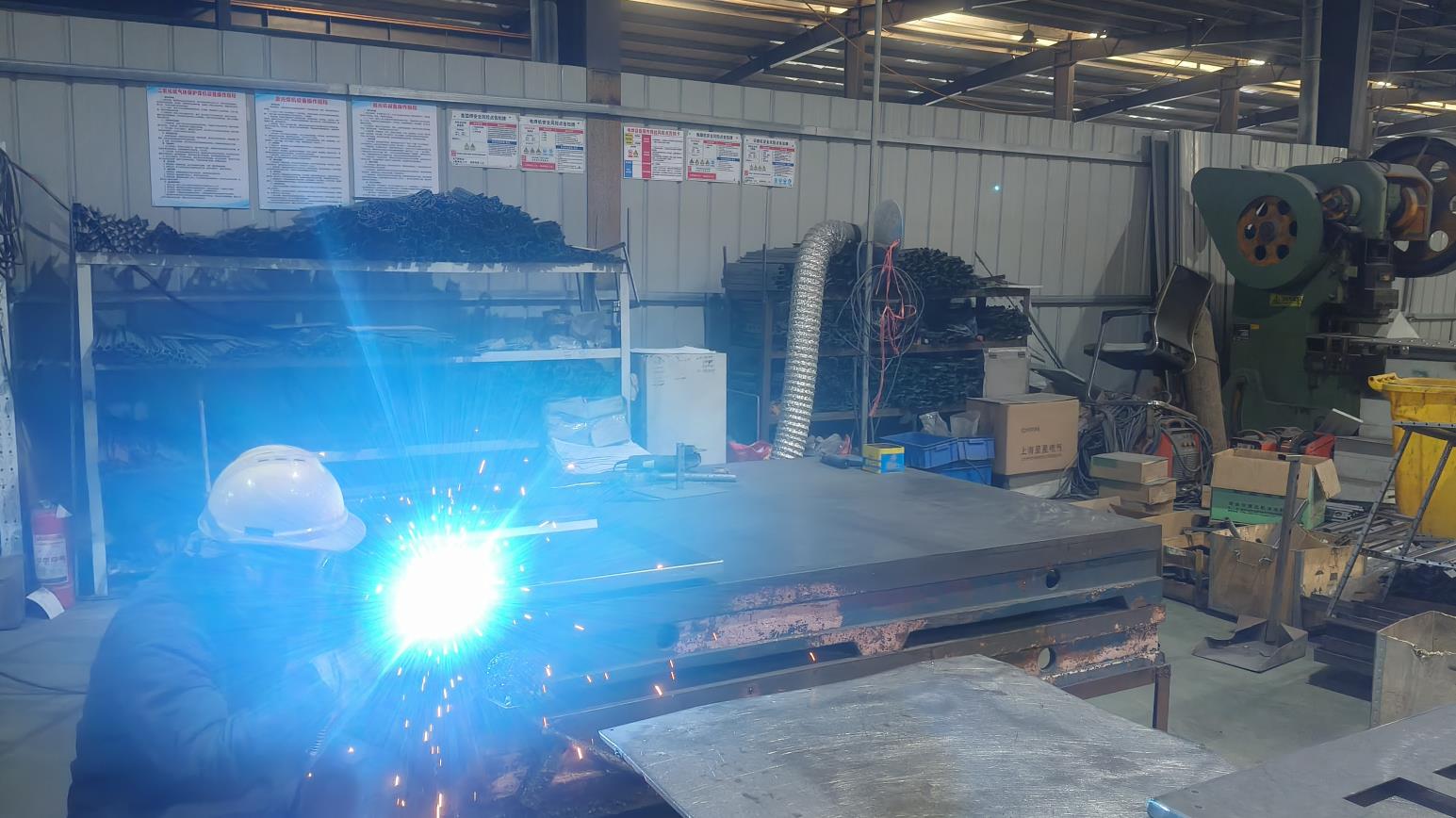
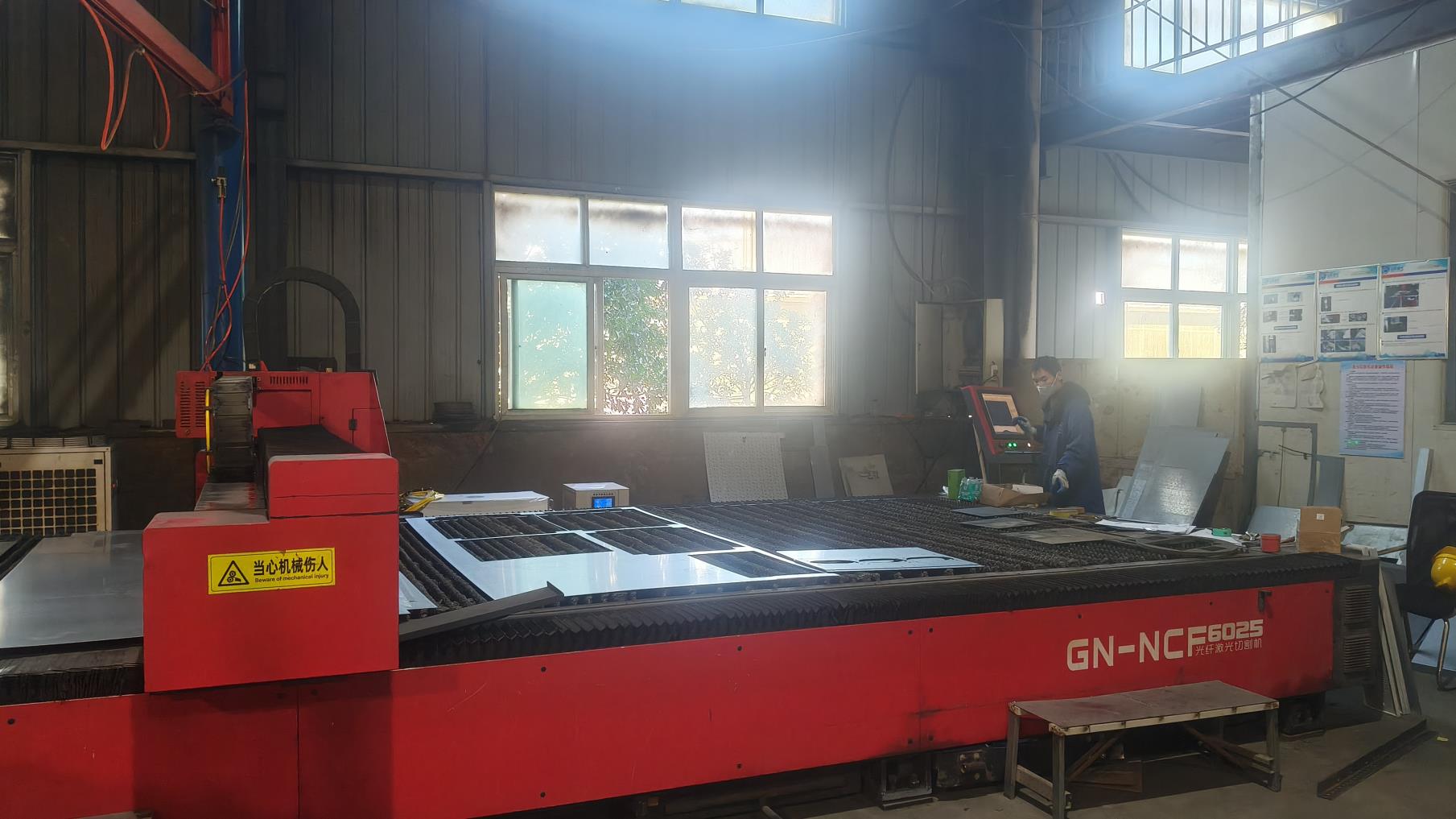
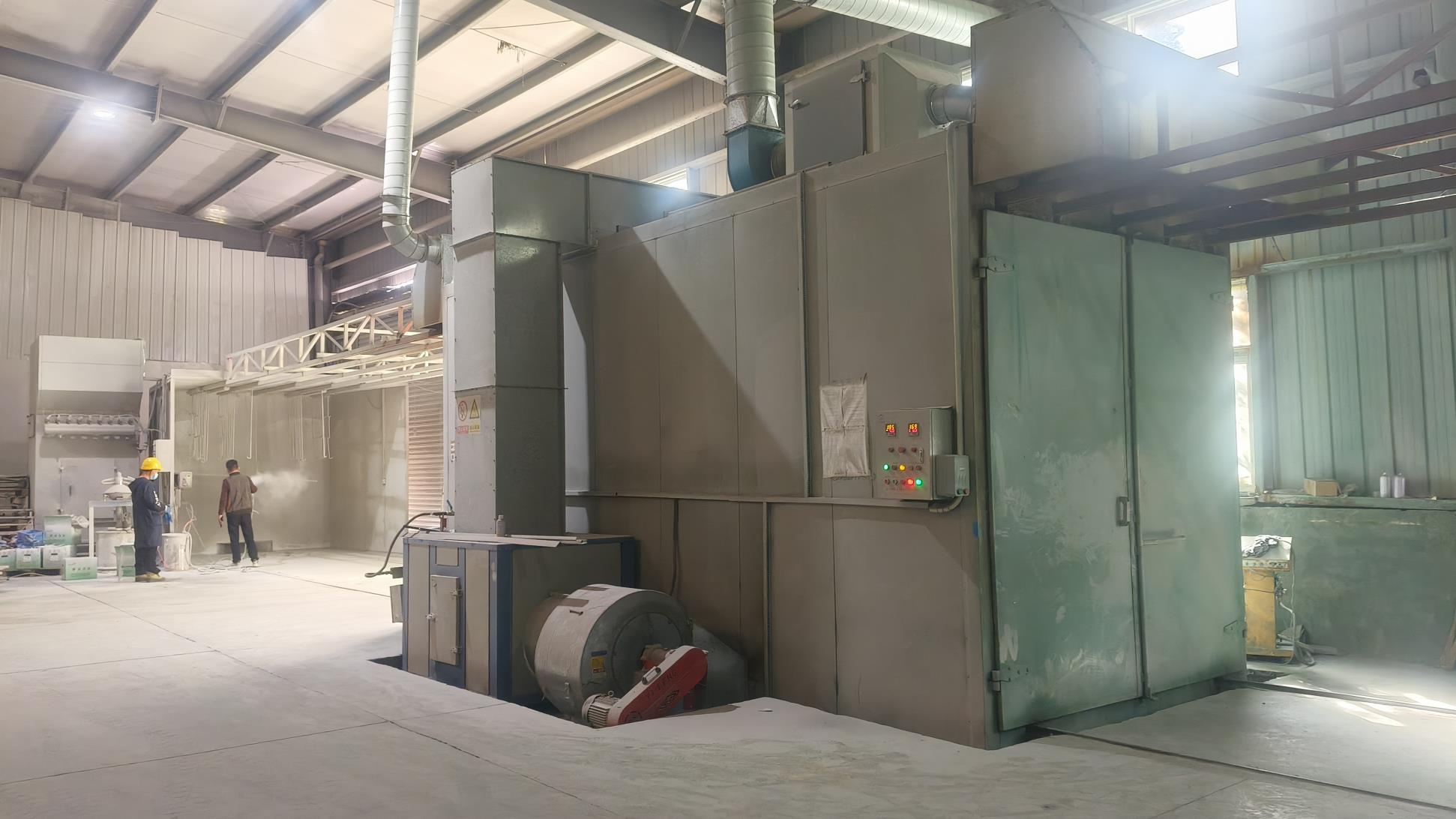
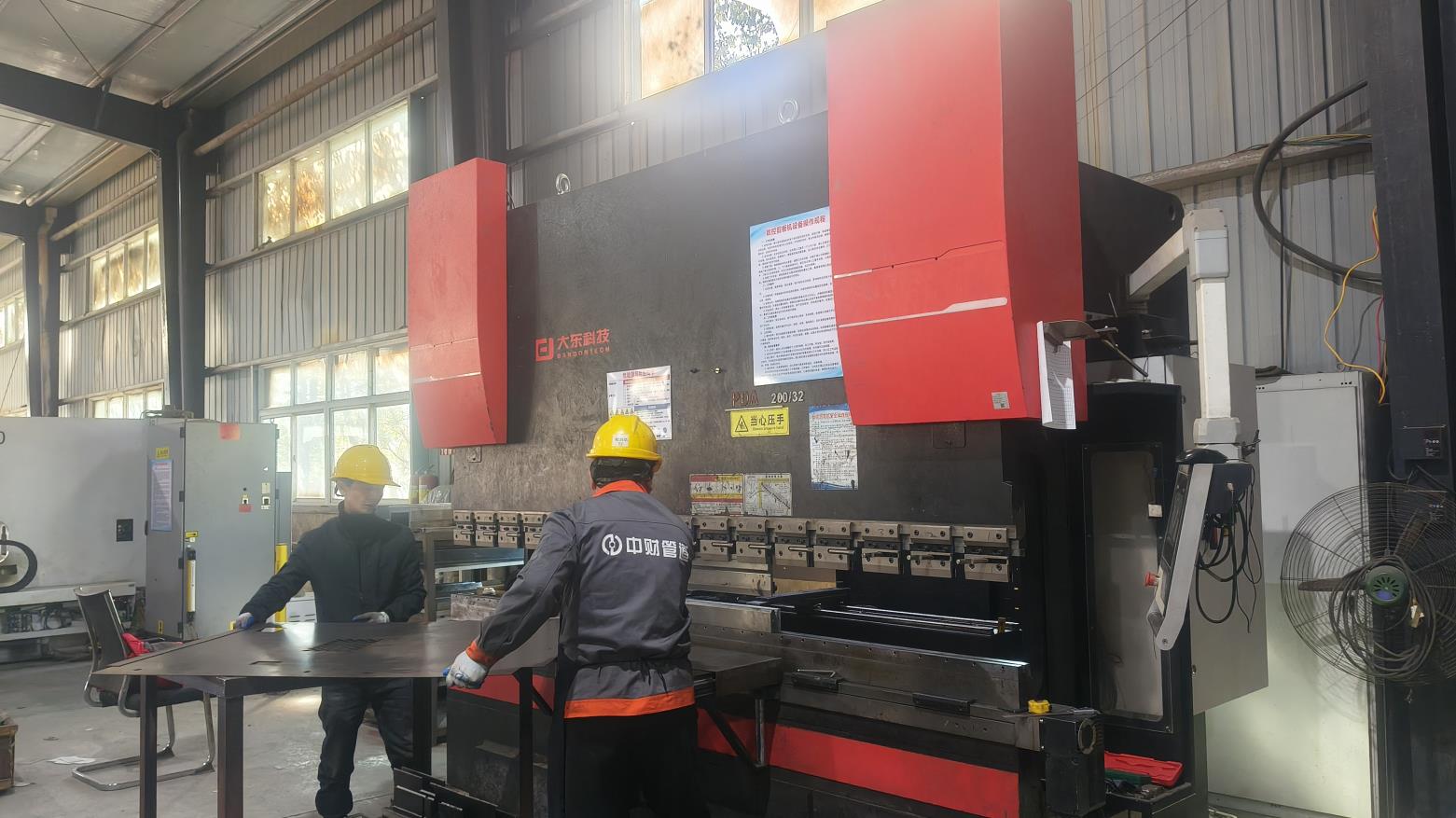
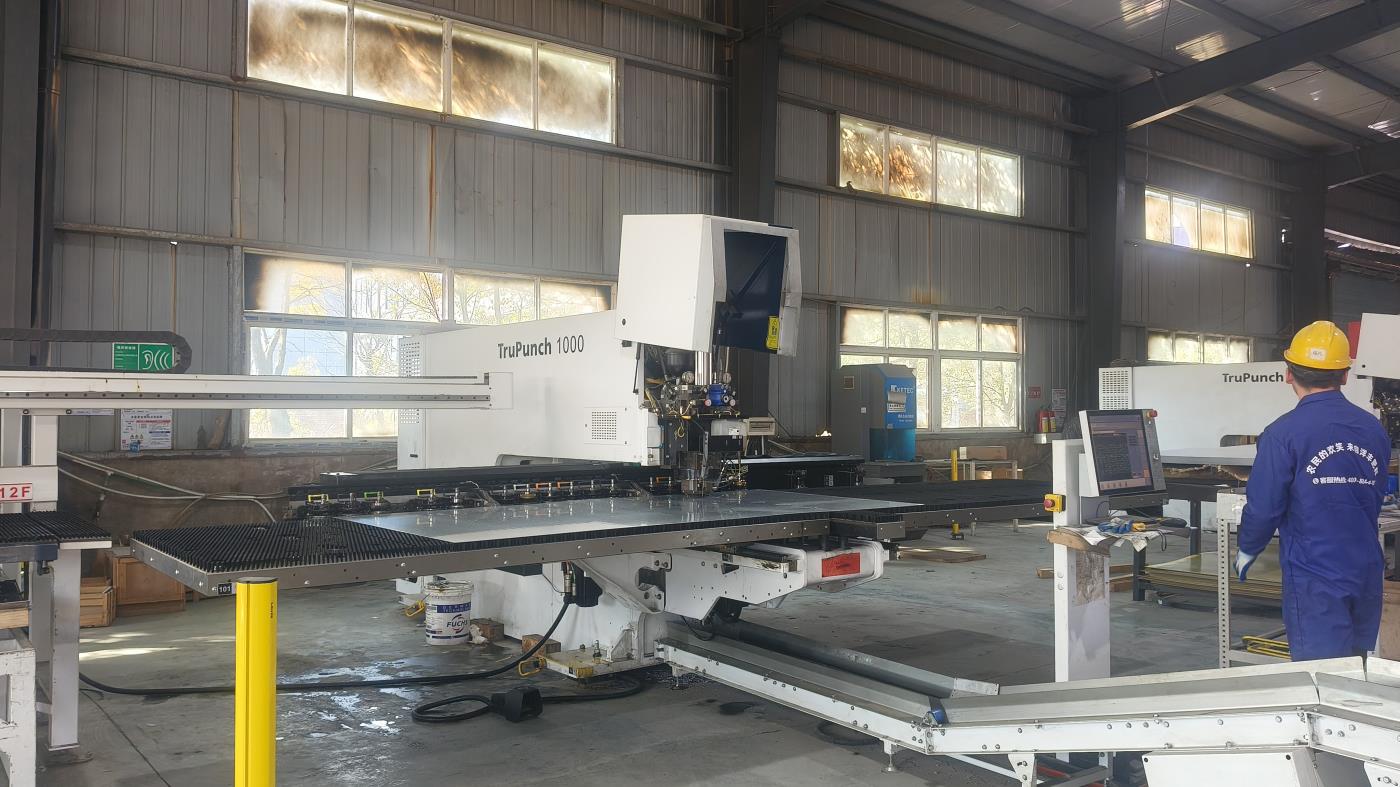
Our production facilities utilize modern machinery to ensure unmatched precision and efficiency:
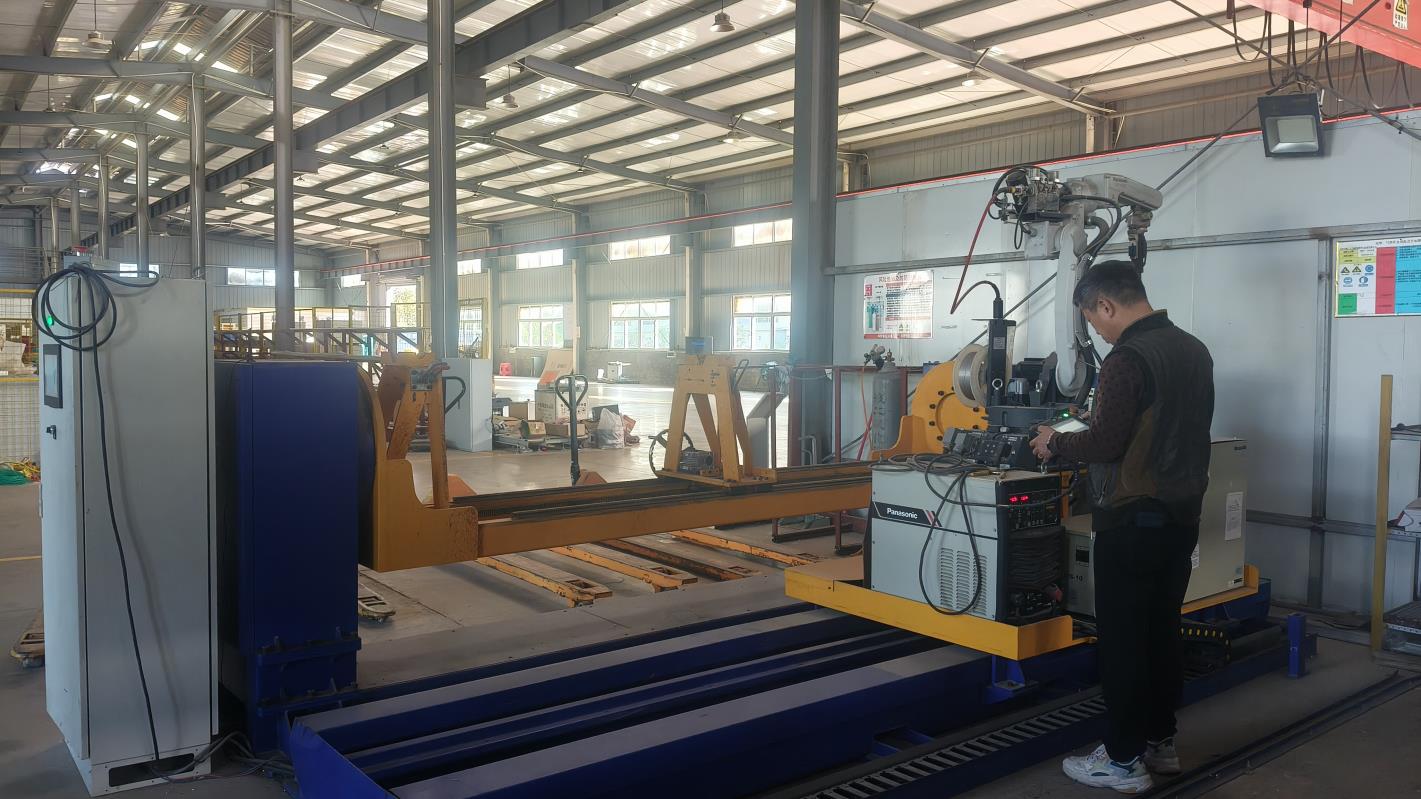
High-powered laser cutting machines and automated robotic welding arms ensure clean, oil-tight seams and flawless panel geometry, minimizing mechanical vibration and eliminating leakage risks.
Our dedicated engineering department uses Computational Fluid Dynamics (CFD) simulation software to analyze temperature gradients and liquid velocity profiles, optimizing flow patterns before production begins.
We feature multi-stage automated surface treatment and electrostatic powder coating lines. This provides superior resistance to corrosion, UV exposure, and chemical wear, essential for severe environments.
By coupling these technical capabilities with China's localized supply chain for raw copper, premium electrical-grade steel (CRGO), and specialized transformer oils, we provide global markets with high-performance cooling systems. This structural cost advantage, paired with robust mechanical design, allows us to deliver high-reliability equipment at competitive price points.
No single cooling system fits all operating environments. High-performance transformers must be engineered for their specific location:
Coastal and marine environments feature high humidity and corrosive salt-spray. Traditional steel radiators corrode rapidly in these areas, risking oil leaks and catastrophic transformer failure. Henan Pirooz Power designs customized systems using marine-grade stainless steel (316L) with multi-layer C5-M class anti-corrosion protective coatings. These systems withstand heavy marine exposure while maintaining optimal thermal transfer.
Solar generation plants operate in regions characterized by intense solar radiation, high ambient temperatures (often exceeding 45°C), and airborne sand. Standard cooling systems struggle with dust accumulation and low thermal differentials. Our specialized configurations utilize wide-pitch radiator fins that resist dust clogging, paired with high-velocity, IP66-rated cooling fans. These fans are controlled by intelligent thermal sensors that adjust speed dynamically to match real-time loads and ambient temperatures.
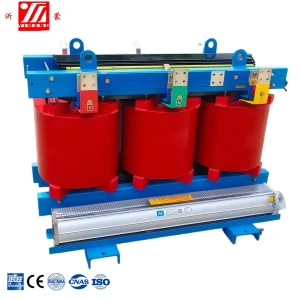
Urban installations require dry-type transformers (such as cast resin SCB series) due to building safety regulations. These spaces require low noise, fireproof operation, and high compactness. We design high-efficiency forced-air (AF) systems with low-vibration cross-flow blowers, integrated noise-dampening structures, and temperature control monitors that integrate directly with Building Management Systems (BMS).
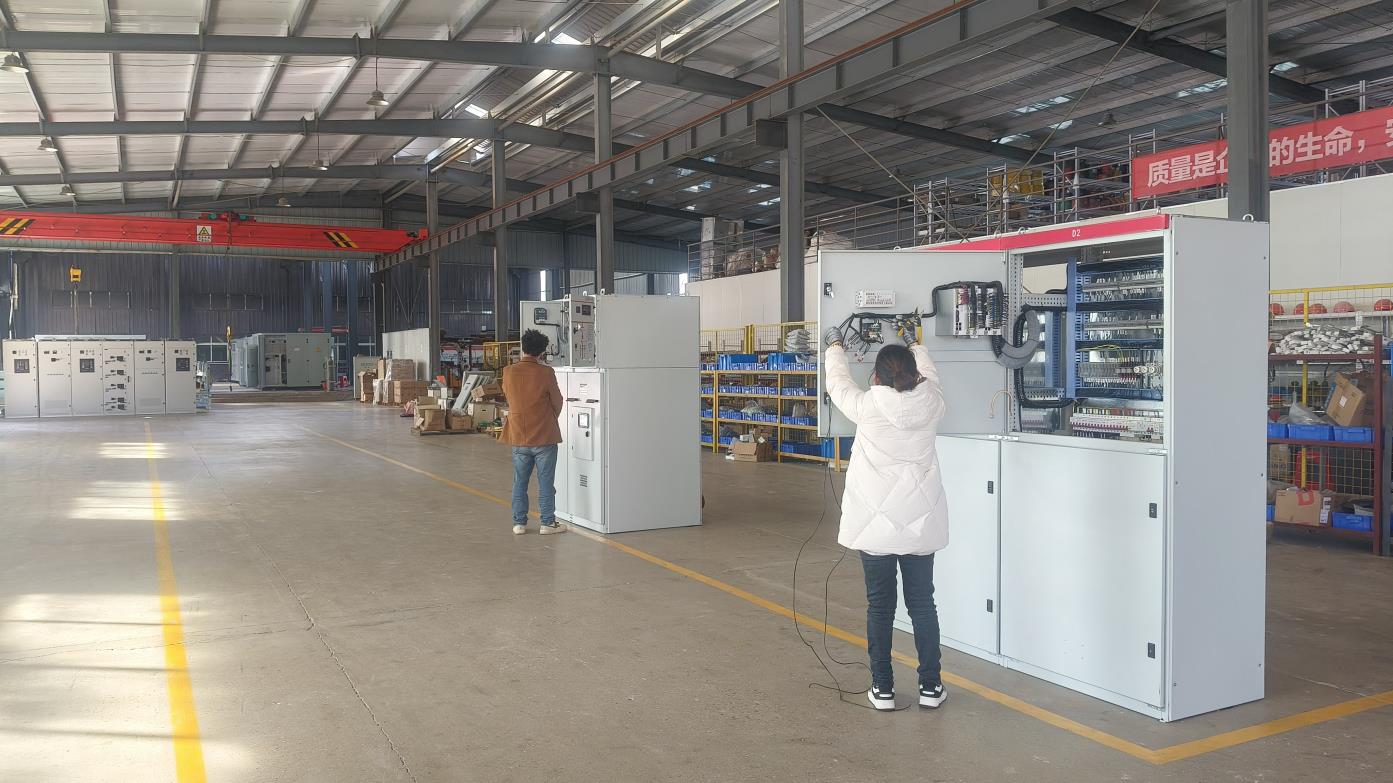
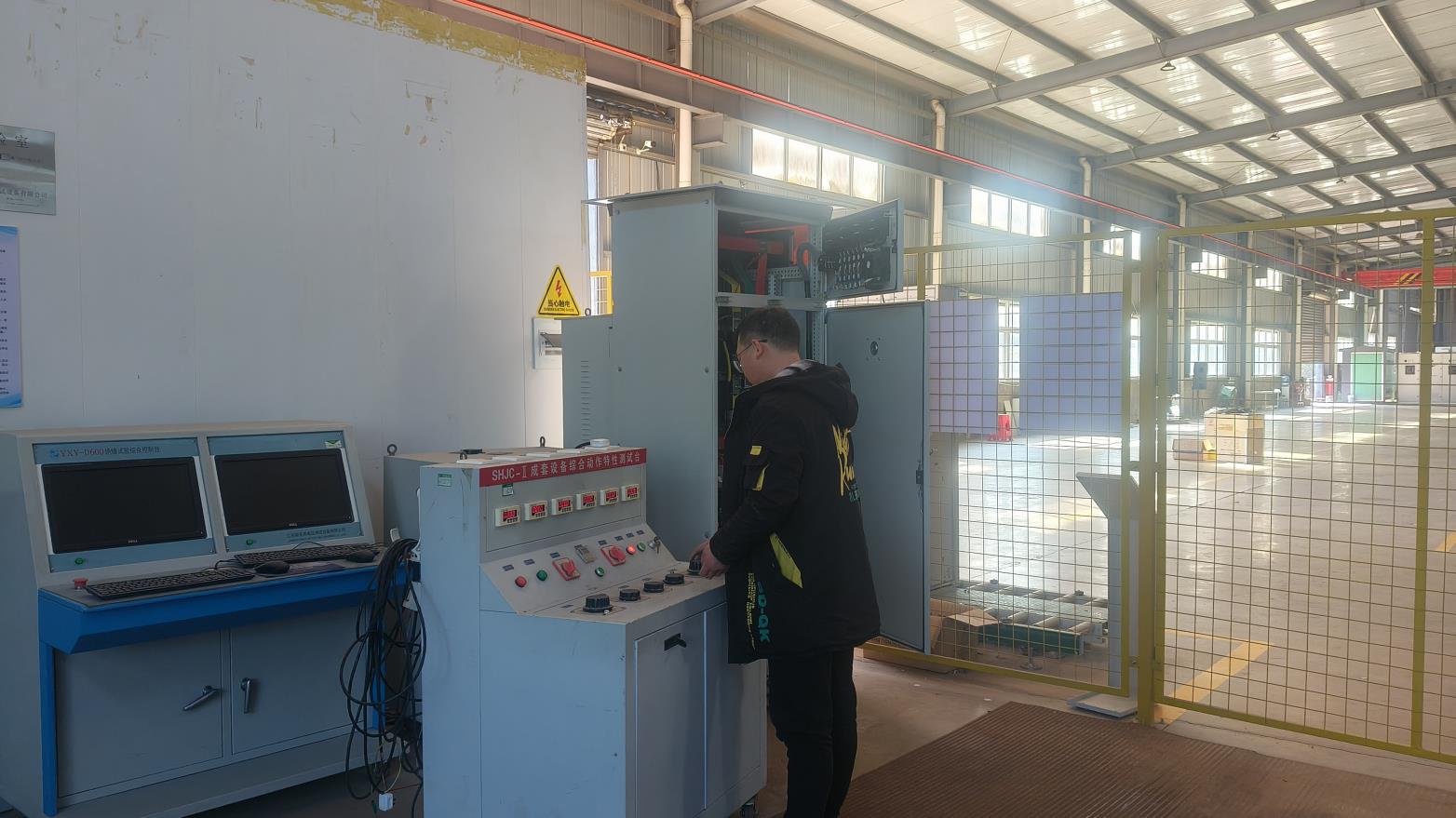
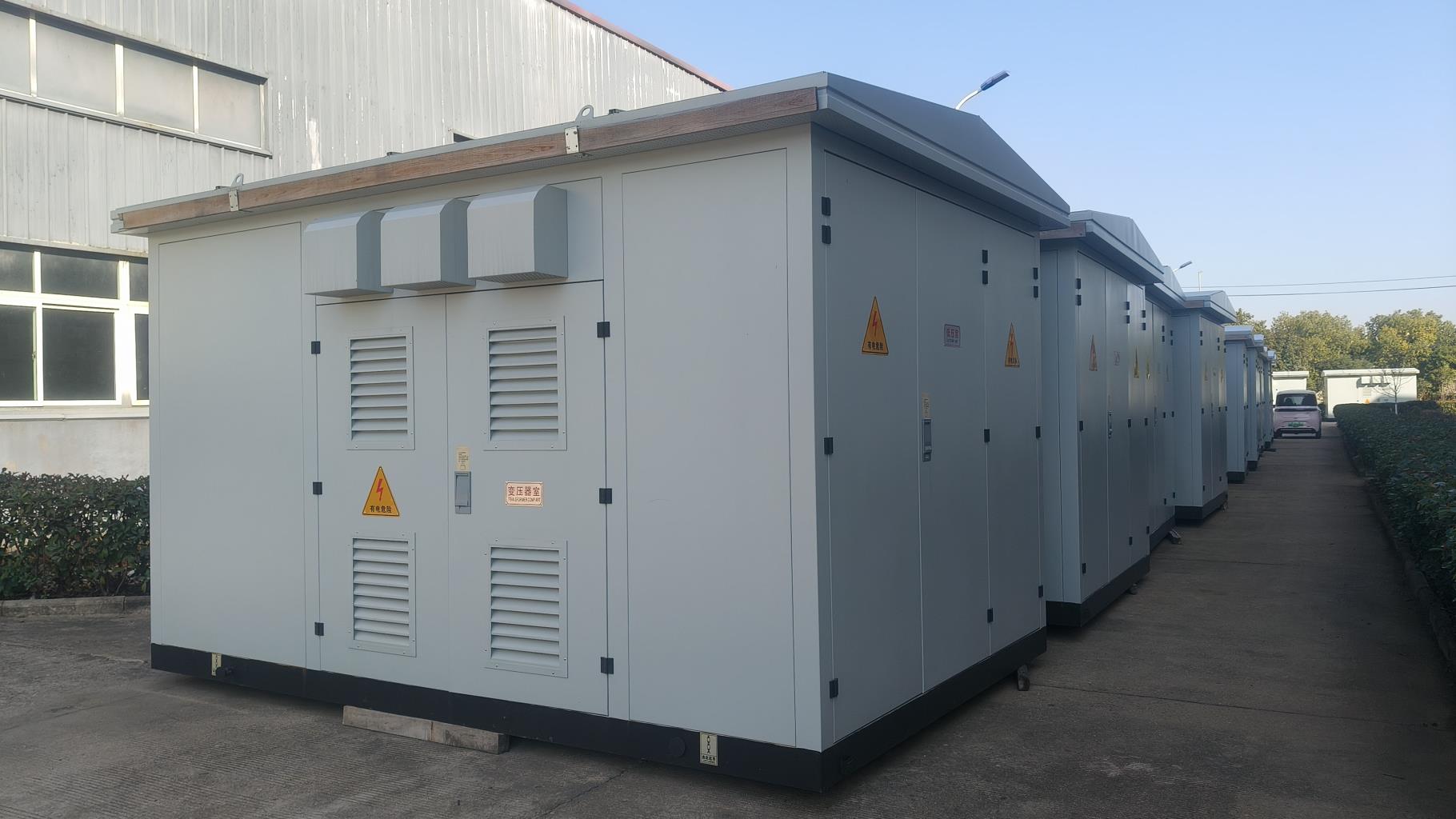
Explore the step-by-step assembly, precision machining, and rigorous quality control within Henan Pirooz Power's modern facility.
Procurement teams sourcing power transformer components face complex technical criteria. Transformer cooling systems are not generic components; they must match the specific heat profile of the core and windings under load. When evaluating potential suppliers, engineering procurement managers prioritize key compliance metrics:
Henan Pirooz Power Co., Ltd. addresses these requirements through our structural quality system. Our QA/QC framework includes routine, type, and specialized testing. This includes dye penetrant inspections, helium leak testing, high-temperature thermal cycle fatigue testing, and paint thickness measurements. We provide detailed material traceability reports and compliance certification for all international shipments.
Answers to critical engineering and procurement questions regarding thermal management design.
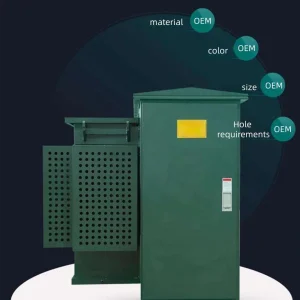
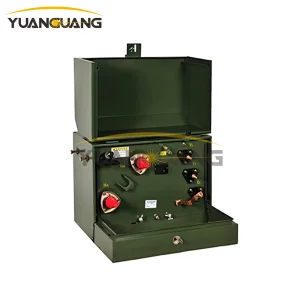
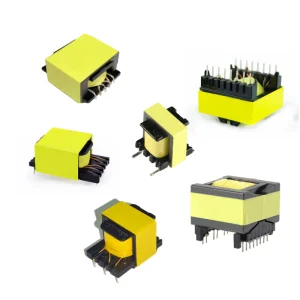
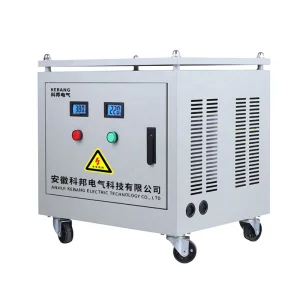
High-efficiency dry-type, pad-mounted, isolation, and specialized frequency conversion transformers.
 Pirooz Power